La Sagesse Et La Destinée
1898
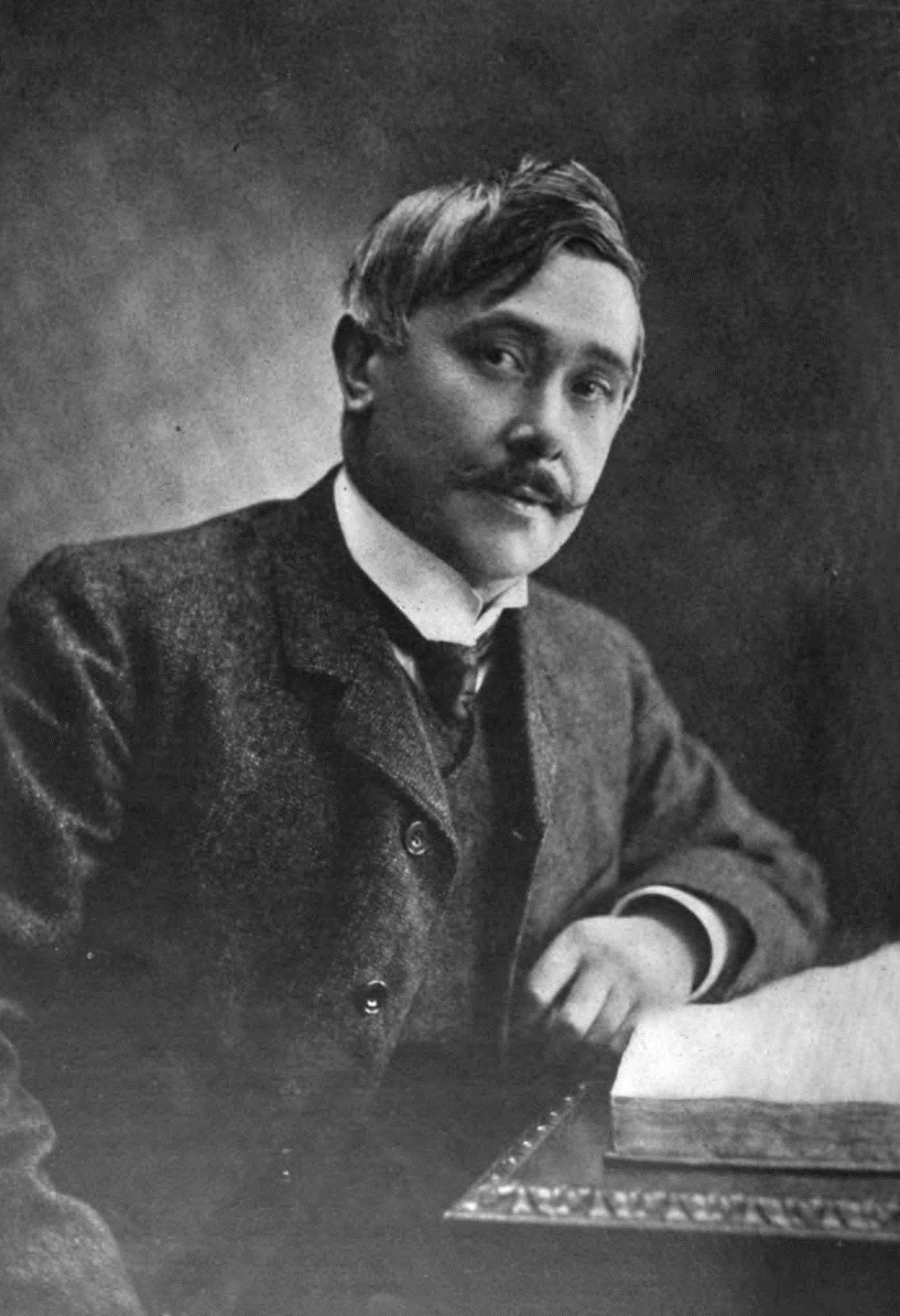
Maurice Maeterlinck, the Belgian Nobel laureate known for his mystical plays, turned his poetic sensibility toward philosophy in this profound 1898 meditation. What began as a brief essay grew into two years of sustained reflection on how our inner consciousness shapes everything: the way we perceive suffering, respond to injustice, and ultimately chart our destinies. Maeterlinck critiques moral philosophers who have spoken of wisdom while ignoring the masses drowning in suffering beneath their elevated discourse. This is not abstract ethics but a raw examination of where truth and happiness actually intersect in lived human experience. He contrasts two fundamental destinies: one led by instinct and adversity, another guided by the consciousness of one's deeper self. The transformative claim at the heart of the book suggests that our inner state determines how the world appears to us, and that understanding this relationship between consciousness and suffering may itself be the beginning of freedom. For readers drawn to existentialist philosophy, wisdom literature, and the great modernist inquiry into human consciousness.
Editions
X-Ray
“For it is our most secret desire that governs and dominates all. If your eyes look for nothing but evil, you will always see evil triumphant; but if you have learned to let your glance rest on sincerity, simpleness, truth, you will ever discover, deep down in all things, the silent overpowering victory of that which you love.””
— Maurice Maeterlinck
“Before we can bring happiness to others, we first must be happy ourselves; nor will happiness abide within us unless we confer it on others. If there be a smile upon our lips, those around us will soon smile too; and our happiness will become the truer and deeper as we see that these others are happy. "It is not seemly that I, who, willingly, have brought sorrow to none, should permit myself to be sad," said Marcus Aurelius, in one of his noblest passages.””
— Maurice Maeterlinck
“We should tell ourselves, once and for all, that it is the first duty of the soul to become as happy, complete, independent, and great as lies in its power. Herein is no egoism, or pride. To become effectually generous and sincerely humble there must be within us a confident, tranquil, and clear comprehension of all that we owe to ourselves.””
— Maurice Maeterlinck
“He is wise who at last sees in suffering only the light that it sheds on his soul; and whose eyes never rest on the shadow it casts upon those who have sent it towards him. And wiser still is the man to whom sorrow and joy not only bring increase of consciousness, but also the knowledge that something exists superior to consciousness even. To have reached this point is to reach the summit of inward life, whence at last we look down on the flames whose light has helped our ascent.””
— Maurice Maeterlinck
“He who knows himself is wise; yet have we no sooner acquired real consciousness of our being than we learn that true wisdom is a thing that lies far deeper than consciousness. The chief gain of increased consciousness is that it unveils an ever-loftier unconsciousness, on whose heights do the sources lie of the purest wisdom.””
— Maurice Maeterlinck
“Every new star that is found in the sky will lend of its rays to the passions, and thoughts, and the courage, of man. Whatever of beauty we see in all that surrounds us, within us already is beautiful; whatever we find in ourselves that is great and adorable, that do we find too in others.””
— Maurice Maeterlinck
“We subdue that in others which we have learned to subdue in ourselves. Around the upright man there is drawn a wide circle of peace, within which the arrows of evil soon cease to fall; nor have his fellows the power to inflict moral suffering upon him.””
— Maurice Maeterlinck
“There may be human joy in doing good with definite purpose, but they who do good expecting nothing in return know a joy that is divine.””
— Maurice Maeterlinck
“Truly they who know still know nothing if the strength of love be not theirs; for the true sage is not he who sees, but he who, seeing the furthest, has the deepest love for mankind. He who sees without loving is only straining his eyes in the darkness.””
— Maurice Maeterlinck
Link to this book
Add a free, dofollow link to Lex on your blog, forum, syllabus, or reading list.

<a href="https://lex-books.com/book/la-sagesse-et-la-destin-e-6ca66bc7-70f4-4f96-8c61-cde70c2a9993"><img src="https://lex-books.com/badges/read-on-lex.svg" alt="Read La Sagesse Et La Destinée by Maurice Maeterlinck free on Lex" width="160" height="40"></a>[](https://lex-books.com/book/la-sagesse-et-la-destin-e-6ca66bc7-70f4-4f96-8c61-cde70c2a9993)[url=https://lex-books.com/book/la-sagesse-et-la-destin-e-6ca66bc7-70f4-4f96-8c61-cde70c2a9993][img]https://lex-books.com/badges/read-on-lex.svg[/img][/url]Read La Sagesse Et La Destinée by Maurice Maeterlinck free on Lex: https://lex-books.com/book/la-sagesse-et-la-destin-e-6ca66bc7-70f4-4f96-8c61-cde70c2a9993Cite this book
Reading this edition for a paper or guide? Copy a citation.
Maeterlinck, Maurice. La Sagesse Et La Destinée. Lex, lex-books.com/book/la-sagesse-et-la-destin-e-6ca66bc7-70f4-4f96-8c61-cde70c2a9993.Maeterlinck, M. (1898). La Sagesse Et La Destinée. Lex. https://lex-books.com/book/la-sagesse-et-la-destin-e-6ca66bc7-70f4-4f96-8c61-cde70c2a9993Maeterlinck, Maurice. La Sagesse Et La Destinée. Lex. https://lex-books.com/book/la-sagesse-et-la-destin-e-6ca66bc7-70f4-4f96-8c61-cde70c2a9993.