
G. Lowes Dickinson
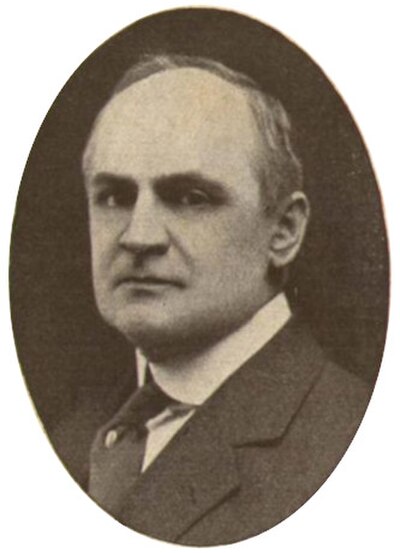
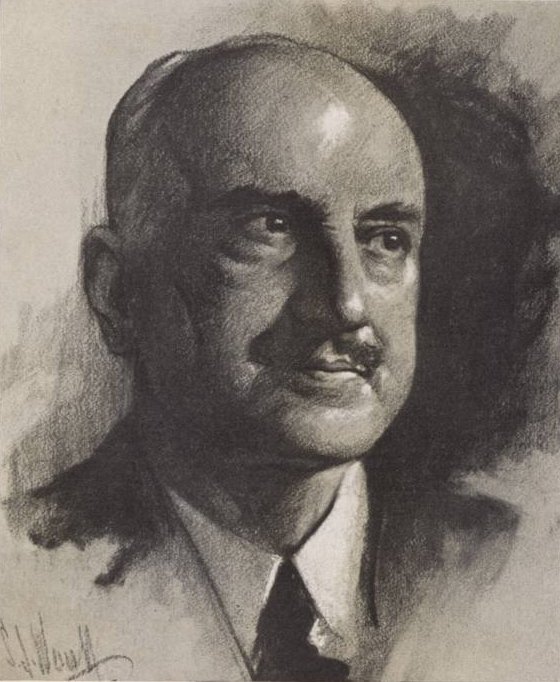
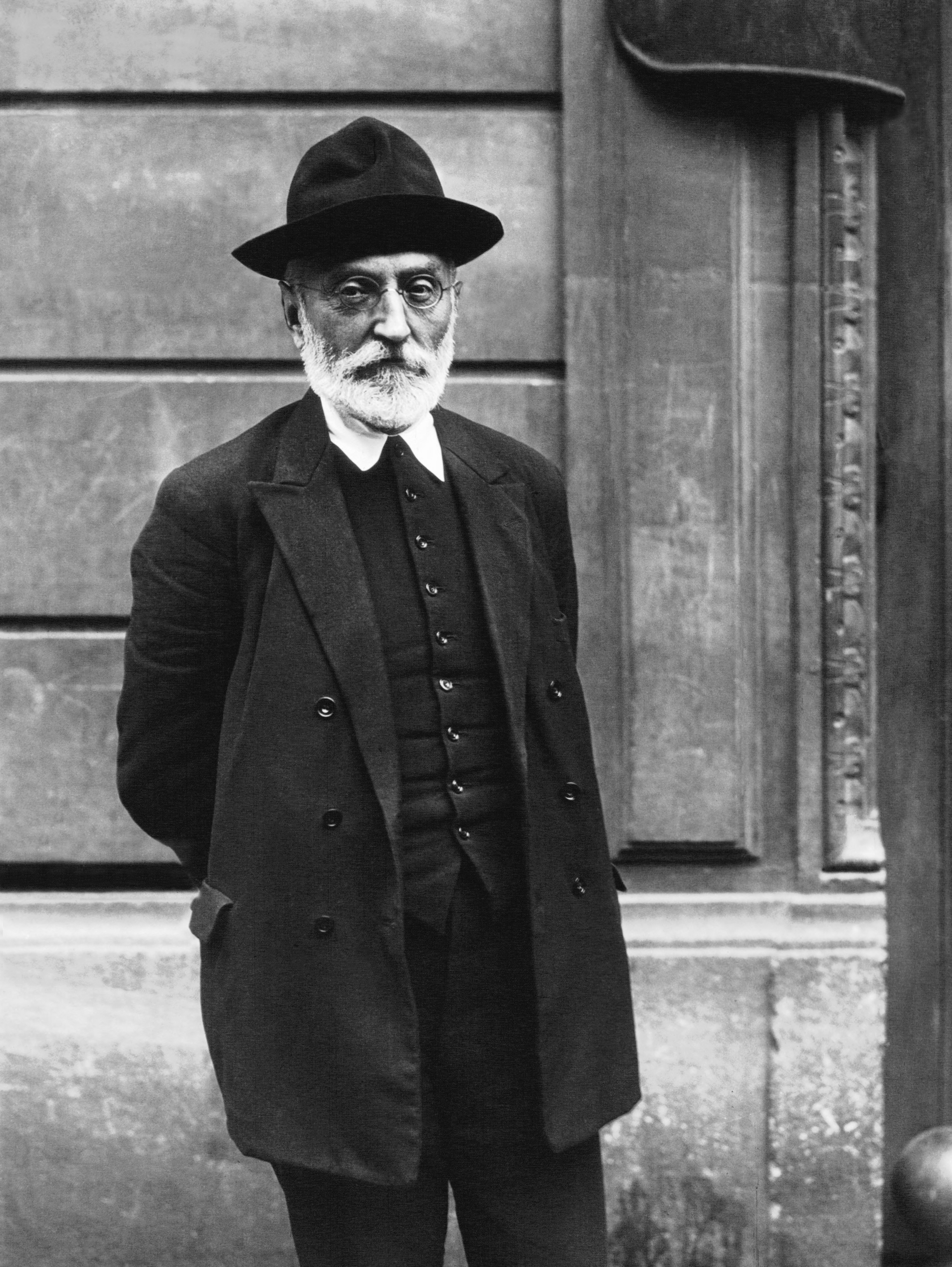
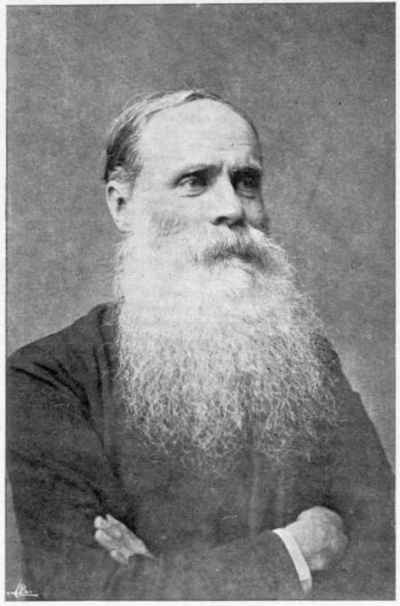
G. Lowes Dickinson was an English philosopher, historian, and writer, renowned for his contributions to political thought and international relations. Born in 1862, he was educated at Cambridge, where he developed a keen interest in philosophy and the social sciences. Dickinson's most notable works include 'The European Anarchy' and 'The Letters of G. Lowes Dickinson,' which reflect his deep engagement with the political upheavals of his time, particularly in the context of World War I. He was a vocal advocate for peace and international cooperation, arguing against nationalism and militarism, which he believed led to conflict and suffering. In addition to his philosophical writings, Dickinson was also a significant figure in the early 20th-century intellectual landscape, influencing contemporaries with his ideas on democracy and social reform. His belief in the importance of a united Europe and his critiques of imperialism positioned him as a forward-thinking voice in a tumultuous era. Dickinson's legacy endures through his writings, which continue to inspire discussions on global governance and the role of ethics in politics, marking him as an important figure in the development of modern political philosophy.
Books from the author





Link to this page
Add a free, dofollow link to Lex on your blog, forum, syllabus, or reading list.

<a href="https://lex-books.com/author/g-lowes-dickinson"><img src="https://lex-books.com/badges/read-on-lex.svg" alt="G. Lowes Dickinson on Lex" width="160" height="40"></a>[](https://lex-books.com/author/g-lowes-dickinson)[url=https://lex-books.com/author/g-lowes-dickinson][img]https://lex-books.com/badges/read-on-lex.svg[/img][/url]G. Lowes Dickinson on Lex: https://lex-books.com/author/g-lowes-dickinson