Het Leven Der Bijen
1901
Het Leven Der Bijen
1901
Translated by G. M. Van Der Wissel-Herderschee
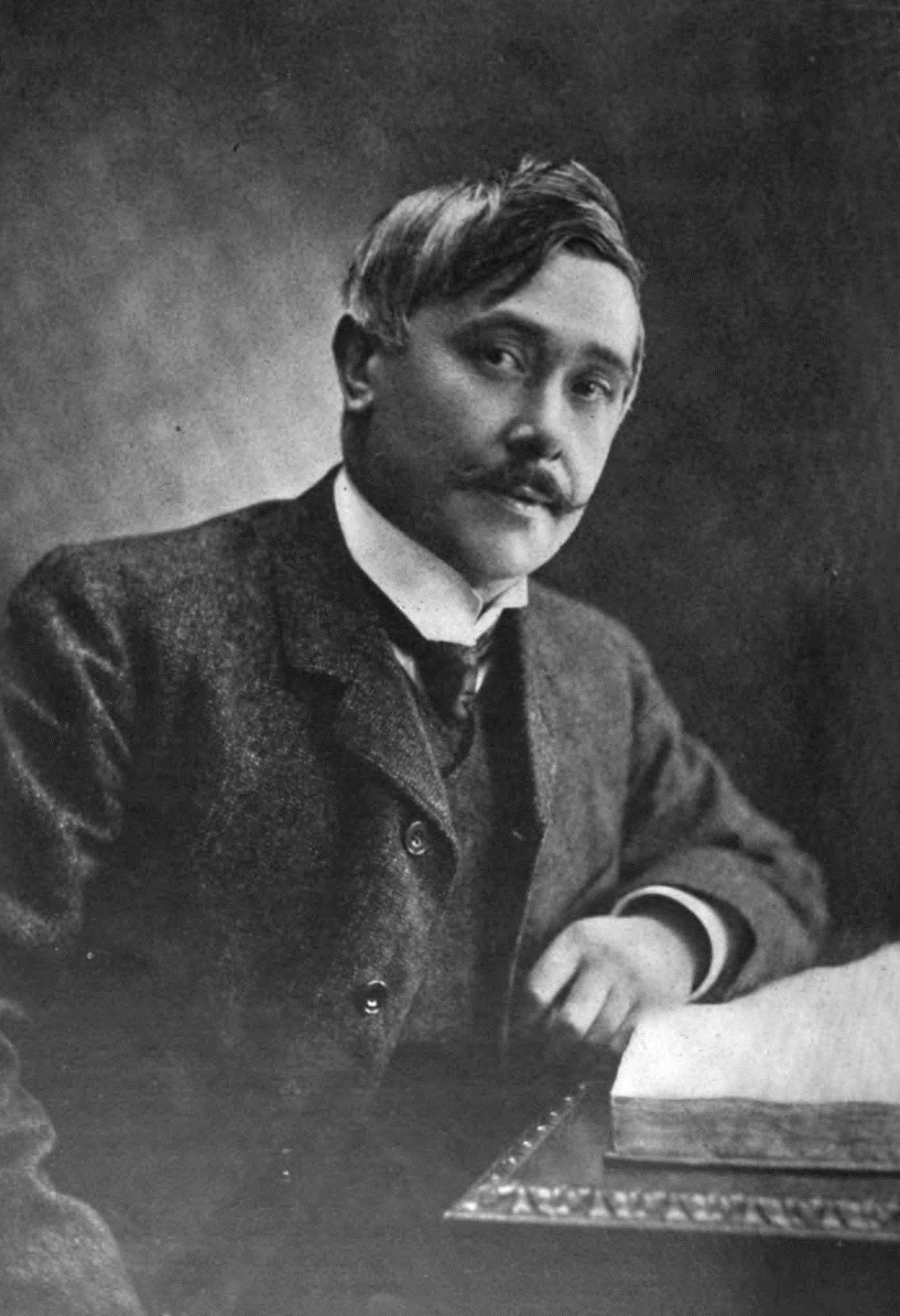
A reflective non-fiction work written in the late 19th century. The text explores the lives and societal structures of bees, delving into their behaviors, the complexities of their colonies, and the philosophical implications of their existence. It aims to transcend mere beekeeping manuals or scientific discourse, offering readers deeper insights into the wonder of bee life and its parallels to human existence. The opening of the work establishes Maeterlinck’s intention to present a lively and personal narrative rather than a dry scientific treatise on bees or beekeeping. He expresses his desire to share observations accumulated over two decades, emphasizing the beauty and complexity of these creatures without delving into excessive technical detail. Maeterlinck introduces major themes surrounding the nature of the bee colony, including the roles of the queen and worker bees, the communal spirit, and the profound mysteries of their governance and interactions. He aims to capture the reader's imagination with the extraordinary qualities of bees while inviting contemplation on broader existential questions.
Editions
X-Ray
“If the bee disappeared off the face of the earth, man would only have four years left to live.””
— Maurice Maeterlinck
“Isolate her, and however abundant the food or favourable the temperature, she will expire in a few days not of hunger or cold, but of loneliness.””
— Maurice Maeterlinck
“Besides, I myself have now for a long time ceased to look for anything more beautiful in this world, or more interesting, than the truth; or at least than the effort one is able to make towards the truth.””
— Maurice Maeterlinck
“the more a hive inclines to its ruin, the more males it will produce””
— Maurice Maeterlinck
“yet may it not be that these questions are idle, and we who are putting them to you mere childish dreamers, hedged round with error and doubt?””
— Maurice Maeterlinck
“the further we go and the more closely we study, the more plainly is it brought home to us that we merely are waifs shipwrecked on the ocean of nature; and ever and anon, from a sudden wave that shall be more transparent than others, there leaps forth a fact that in an instant confounds all that we imagine we knew””
— Maurice Maeterlinck
“Human experience renders it daily more clear that the highest thought we can attain will long be inferior still to the mysterious truth we seek.””
— Maurice Maeterlinck
“Somos de tal naturaleza que nada nos lleva tan lejos y tan alto como los impulsos de nuestros errores””
— Maurice Maeterlinck
“...el menor secreto de un objeto, que vemos en la naturaleza que no es humana, toma quizás una parte más directa en el profundo enigma de nuestros fines y de nuestros orígenes que el secreto de nuestras pasiones más arrebatadoras y con sentido más complaciente estudiadas””
— Maurice Maeterlinck
Link to this book
Add a free, dofollow link to Lex on your blog, forum, syllabus, or reading list.

<a href="https://lex-books.com/book/het-leven-der-bijen-62fac40a-5d6c-4e53-b6d5-a3155992346a"><img src="https://lex-books.com/badges/read-on-lex.svg" alt="Read Het Leven Der Bijen by Maurice Maeterlinck free on Lex" width="160" height="40"></a>[](https://lex-books.com/book/het-leven-der-bijen-62fac40a-5d6c-4e53-b6d5-a3155992346a)[url=https://lex-books.com/book/het-leven-der-bijen-62fac40a-5d6c-4e53-b6d5-a3155992346a][img]https://lex-books.com/badges/read-on-lex.svg[/img][/url]Read Het Leven Der Bijen by Maurice Maeterlinck free on Lex: https://lex-books.com/book/het-leven-der-bijen-62fac40a-5d6c-4e53-b6d5-a3155992346aCite this book
Reading this edition for a paper or guide? Copy a citation.
Maeterlinck, Maurice. Het Leven Der Bijen. Lex, lex-books.com/book/het-leven-der-bijen-62fac40a-5d6c-4e53-b6d5-a3155992346a.Maeterlinck, M. (1901). Het Leven Der Bijen. Lex. https://lex-books.com/book/het-leven-der-bijen-62fac40a-5d6c-4e53-b6d5-a3155992346aMaeterlinck, Maurice. Het Leven Der Bijen. Lex. https://lex-books.com/book/het-leven-der-bijen-62fac40a-5d6c-4e53-b6d5-a3155992346a.