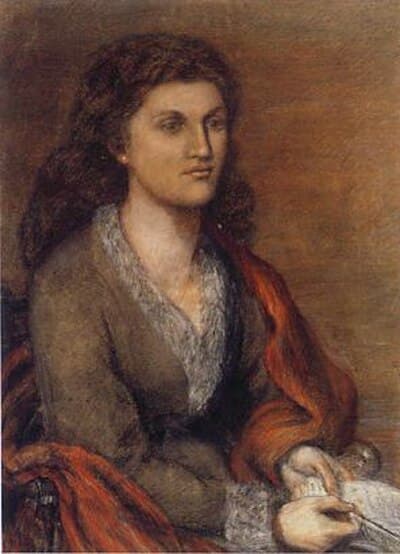
Mathilde Blind
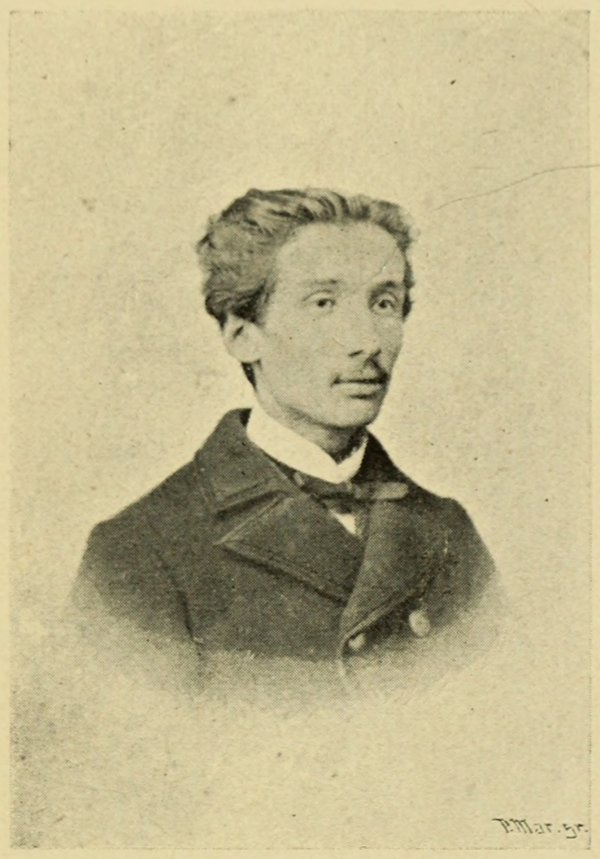
Mathilde Blind, originally Mathilda Cohen, was a German-born English poet, fiction writer, biographer, essayist, and critic who made significant contributions to the literary landscape of the late 19th century. Emerging as a pioneering female aesthete in the early 1870s, she navigated a predominantly male artistic community with remarkable skill and insight. Blind became a prominent figure among the New Woman writers of her time, aligning herself with contemporaries such as Vernon Lee and Olive Schreiner, and her work often reflected the evolving roles and rights of women in society. One of her most notable works, the poem 'The Ascent of Man,' offered a feminist perspective on Darwinian evolution, challenging traditional notions of gender and progress. Blind's literary output was widely recognized and praised by influential figures such as Algernon Charles Swinburne and Arthur Symons, solidifying her place in the literary canon. Her legacy endures as a testament to the voices of women in literature, and her contributions continue to inspire discussions around feminism and the arts.
Famous Quotes
View all 3 quotes“I was reflecting on the ways in which even movements of liberation can be shaped by the very thought forms they seek to challenge.”
“A severe cold taken by Lewes proved the forerunner of a serious disorder, and, after a short illness, this bright, many-sided, indefatigable thinker, passed away in his sixty-second year.”
“Before midnight of the 22nd of December, 1880, George Eliot, who died at precisely the same age as Lewes, had passed quietly and painlessly away; and on Christmas Eve the announcement of her death was received with general grief. She was buried by the side of George Henry Lewes in the cemetary at Highgate.”
Books from the author
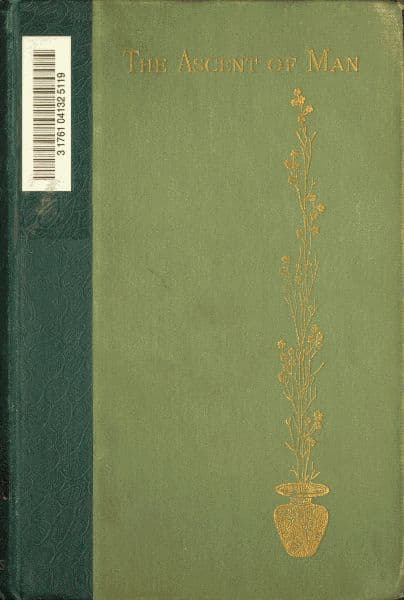

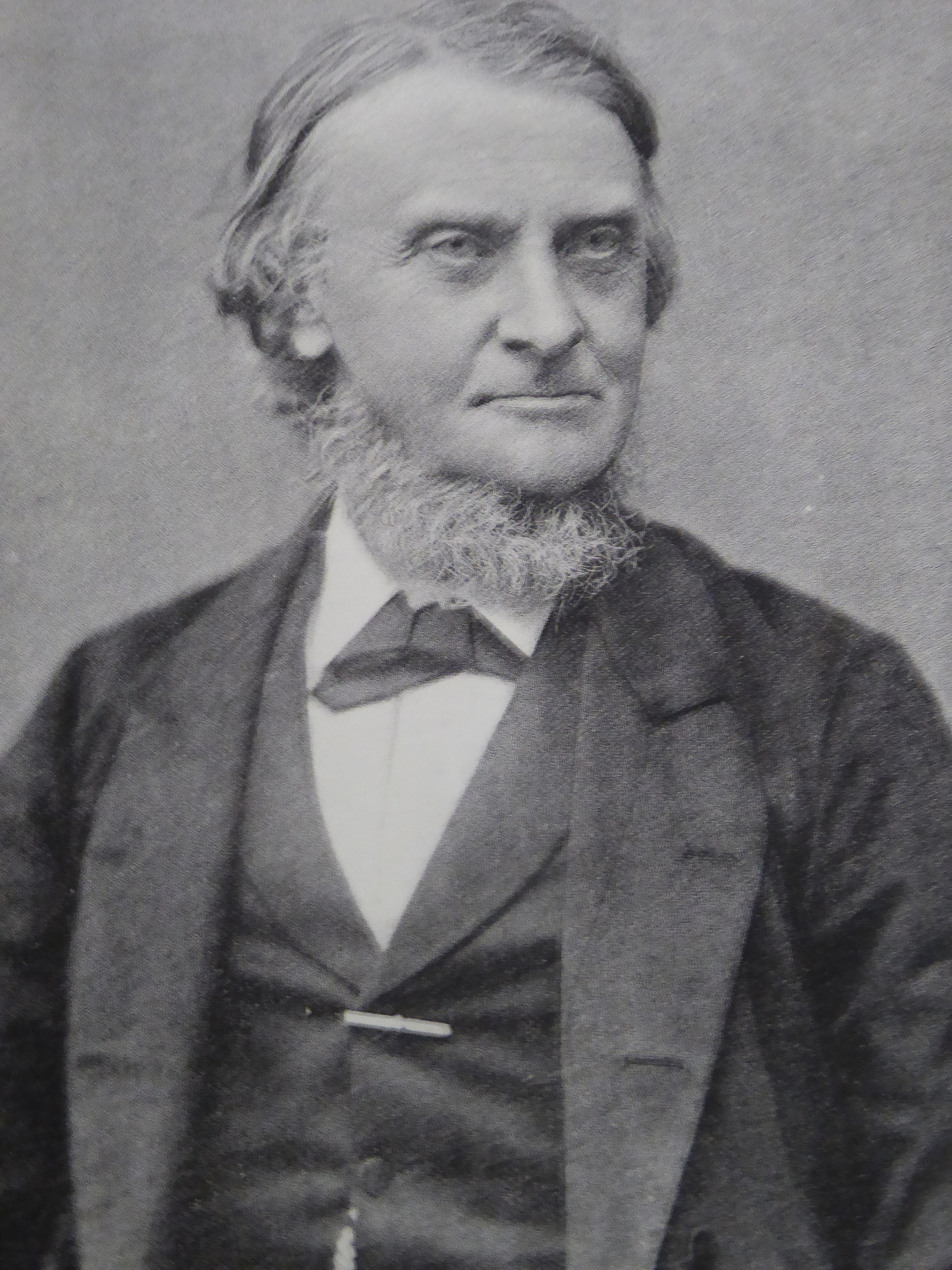
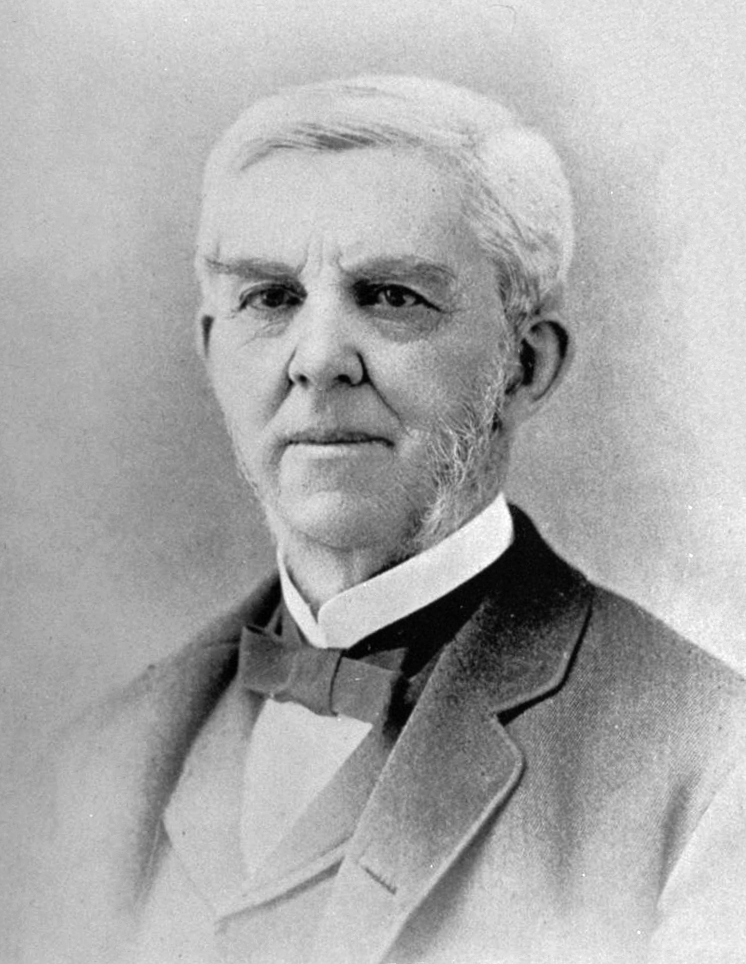

Link to this page
Add a free, dofollow link to Lex on your blog, forum, syllabus, or reading list.

<a href="https://lex-books.com/author/mathilde-blind"><img src="https://lex-books.com/badges/read-on-lex.svg" alt="Mathilde Blind on Lex" width="160" height="40"></a>[](https://lex-books.com/author/mathilde-blind)[url=https://lex-books.com/author/mathilde-blind][img]https://lex-books.com/badges/read-on-lex.svg[/img][/url]Mathilde Blind on Lex: https://lex-books.com/author/mathilde-blind