Margravine, consort of Friedrich, Margrave of Bayreuth Wilhelmine
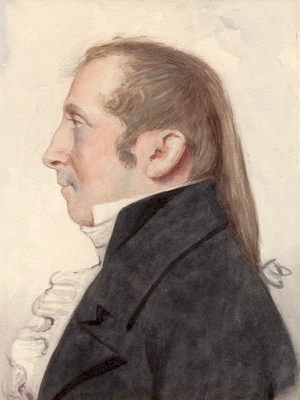
Wilhelmine, Margravine of Bayreuth, was a notable figure of the 18th century, recognized for her contributions to literature and the arts as well as her role in the cultural life of her time. Born into the Prussian royal family, she was the daughter of King Frederick I of Prussia and Sophie Charlotte of Hanover. Her marriage to Friedrich, Margrave of Bayreuth, positioned her as a significant patron of the arts, where she cultivated a vibrant court that attracted many intellectuals and artists, including the composer Carl Friedrich Abel and the philosopher Voltaire. Wilhelmine's literary works include her autobiographical writings and her correspondence, which provide insight into her life and the cultural milieu of the time. Her most notable work, "The Memoirs of Wilhelmine, Margravine of Bayreuth," offers a detailed account of her experiences and the political intrigues of her era. She was also known for her plays and poetry, which reflected her keen intellect and artistic sensibility. Through her writings and her patronage, Wilhelmine played a crucial role in the development of the German Enlightenment, influencing the literary and cultural landscape of her time and leaving a legacy that would inspire future generations of writers and thinkers.
Books from the author







Link to this page
Add a free, dofollow link to Lex on your blog, forum, syllabus, or reading list.

<a href="https://lex-books.com/author/margravine-consort-of-friedrich-margrave-of-bayreuth-wilhelmine"><img src="https://lex-books.com/badges/read-on-lex.svg" alt="Margravine, consort of Friedrich, Margrave of Bayreuth Wilhelmine on Lex" width="160" height="40"></a>[](https://lex-books.com/author/margravine-consort-of-friedrich-margrave-of-bayreuth-wilhelmine)[url=https://lex-books.com/author/margravine-consort-of-friedrich-margrave-of-bayreuth-wilhelmine][img]https://lex-books.com/badges/read-on-lex.svg[/img][/url]Margravine, consort of Friedrich, Margrave of Bayreuth Wilhelmine on Lex: https://lex-books.com/author/margravine-consort-of-friedrich-margrave-of-bayreuth-wilhelmine