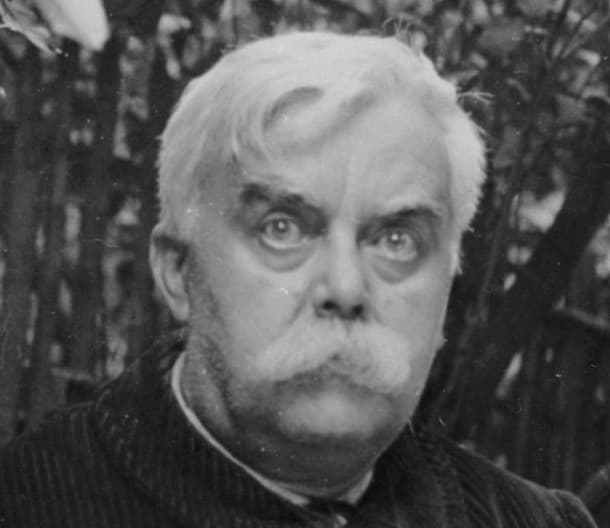
Léon Bloy
Léon Bloy was a French novelist, essayist, and polemicist known for his fervent Catholic faith and his passionate, often controversial writing style. Born in a modest family, Bloy faced numerous hardships throughout his life, which deeply influenced his literary output. He began his career as a writer in the late 19th century, gaining recognition for works such as 'La Femme pauvre' and 'Le Désespéré', which reflect his existential struggles and critique of modern society. His writing often combined elements of mysticism and social commentary, making him a unique voice in the literary landscape of his time. Bloy's works are characterized by their intense emotional depth and moral fervor, often exploring themes of suffering, redemption, and the search for truth. He was a precursor to the existentialist movement, influencing later writers such as Georges Bernanos and François Mauriac. Despite being somewhat overshadowed by his contemporaries, Bloy's legacy endures through his passionate advocacy for the marginalized and his uncompromising stance on faith and morality. His writings continue to resonate with those who seek a deeper understanding of the human condition and the complexities of belief.
Famous Quotes
View all 17 quotes“Man has places in his heart which do not yet exist, and into them enters suffering, in order that they may have existence.””
“The only real sadness, the only real failure, the only great tragedy in life, is not to become a saint.””
“There is only one misery . . . not to be saints.””
Books from the author
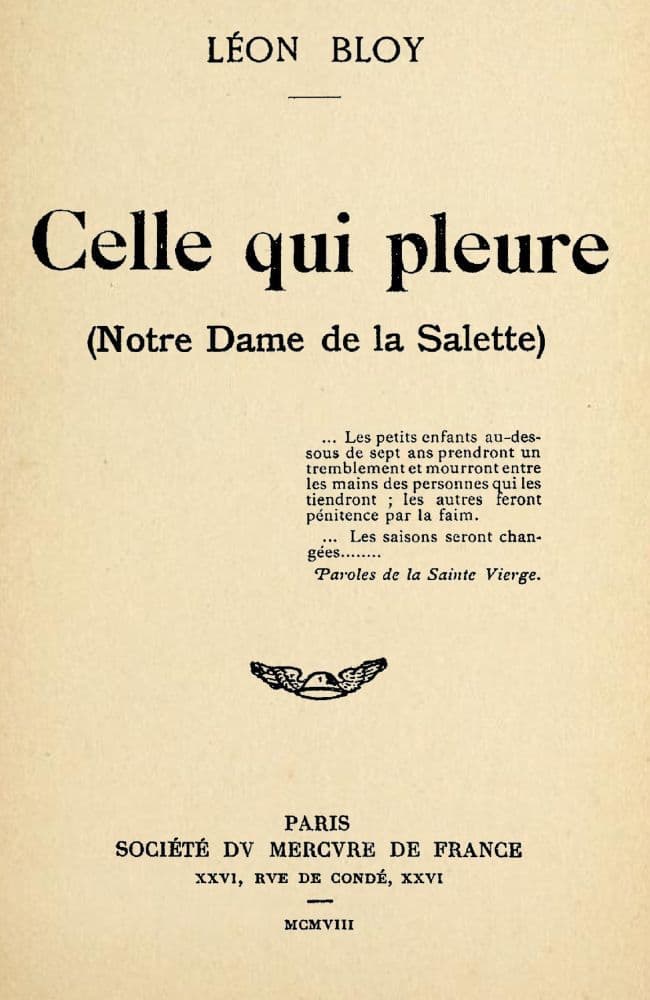
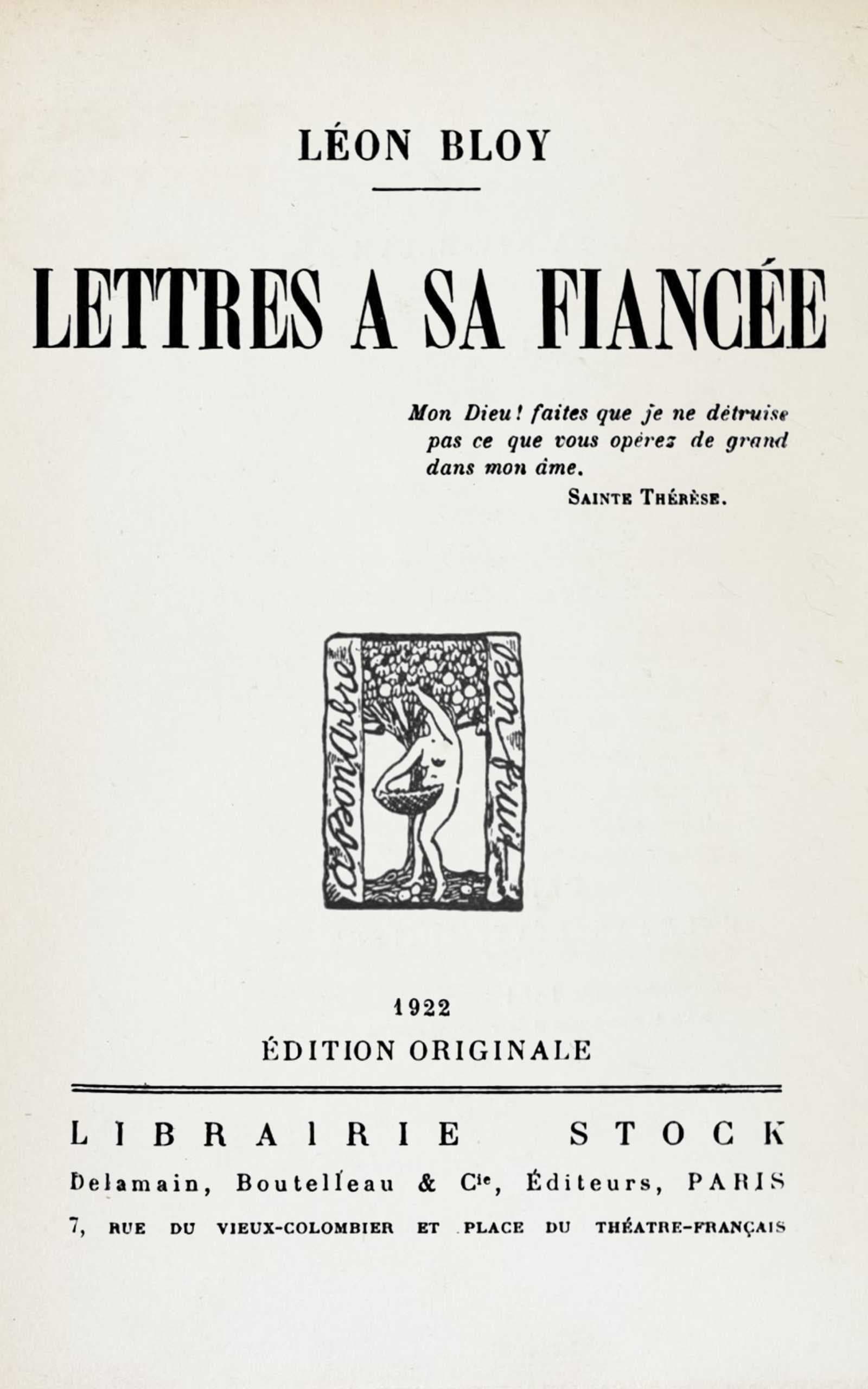
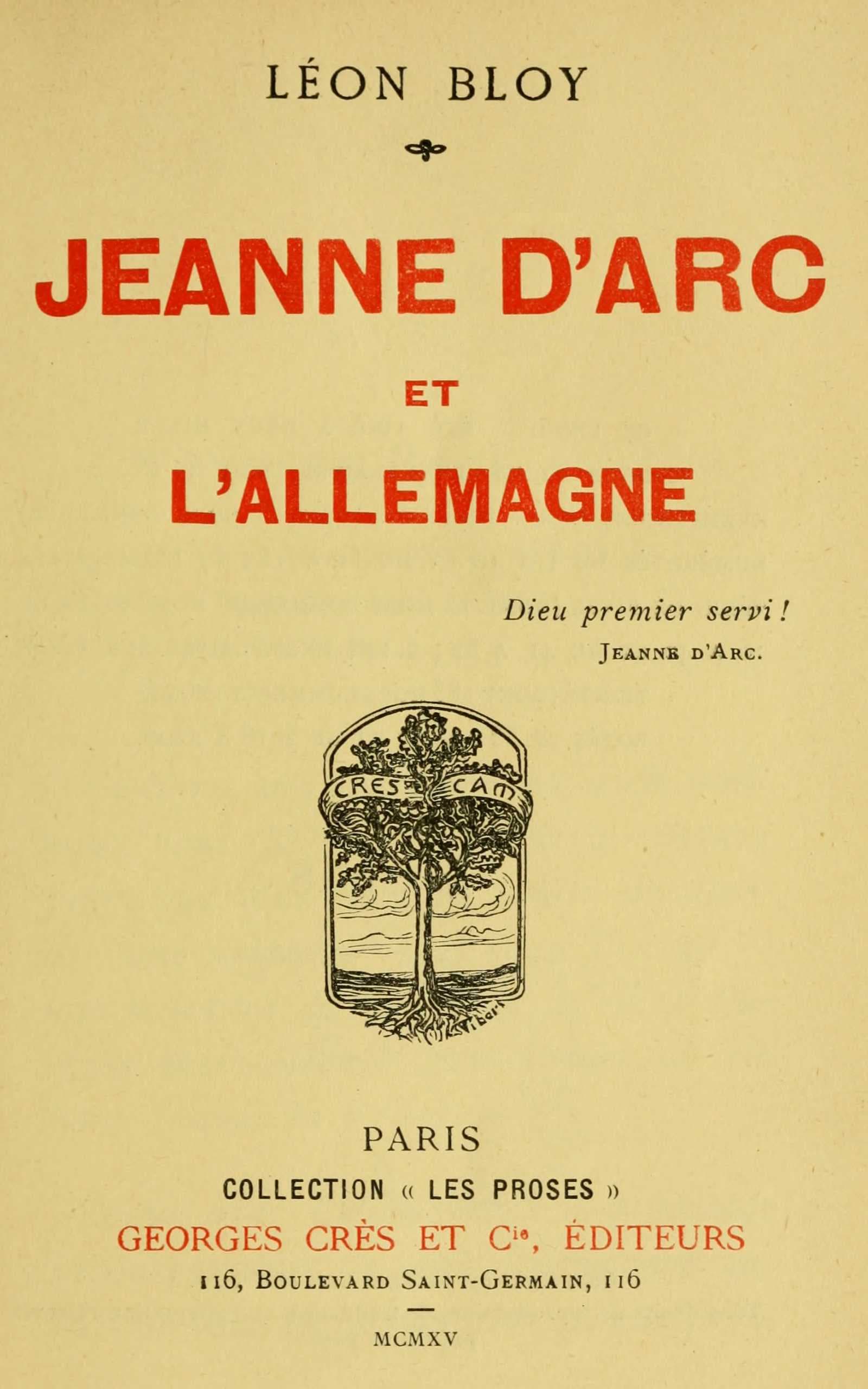

Link to this page
Add a free, dofollow link to Lex on your blog, forum, syllabus, or reading list.

<a href="https://lex-books.com/author/léon-bloy"><img src="https://lex-books.com/badges/read-on-lex.svg" alt="Léon Bloy on Lex" width="160" height="40"></a>[](https://lex-books.com/author/léon-bloy)[url=https://lex-books.com/author/léon-bloy][img]https://lex-books.com/badges/read-on-lex.svg[/img][/url]Léon Bloy on Lex: https://lex-books.com/author/léon-bloy