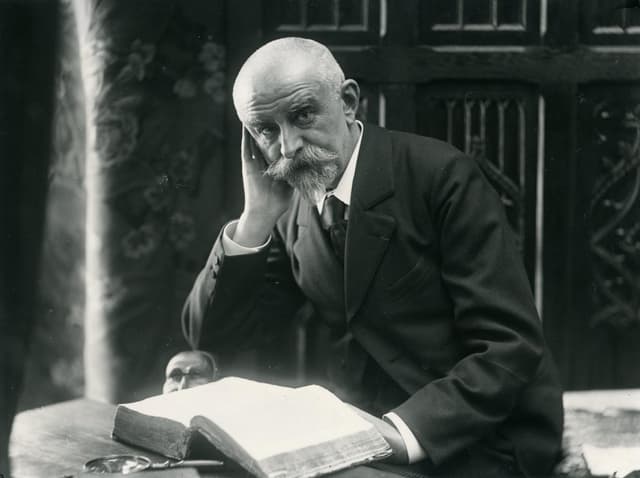
J.-K. Huysmans
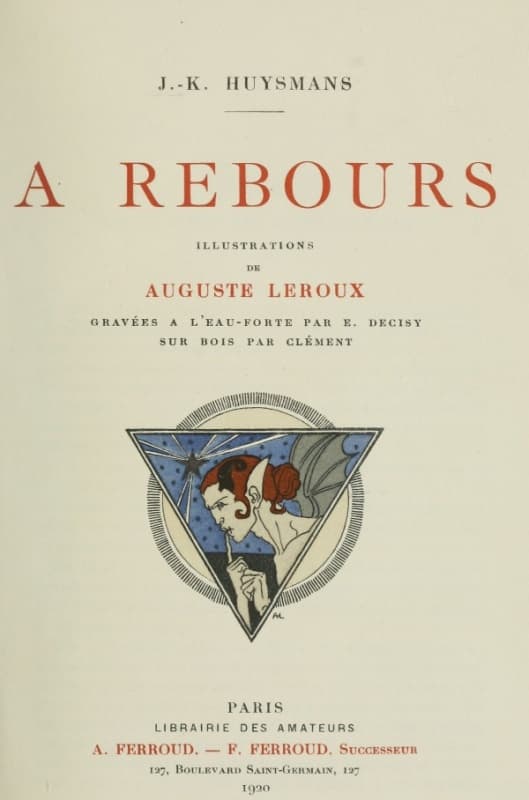
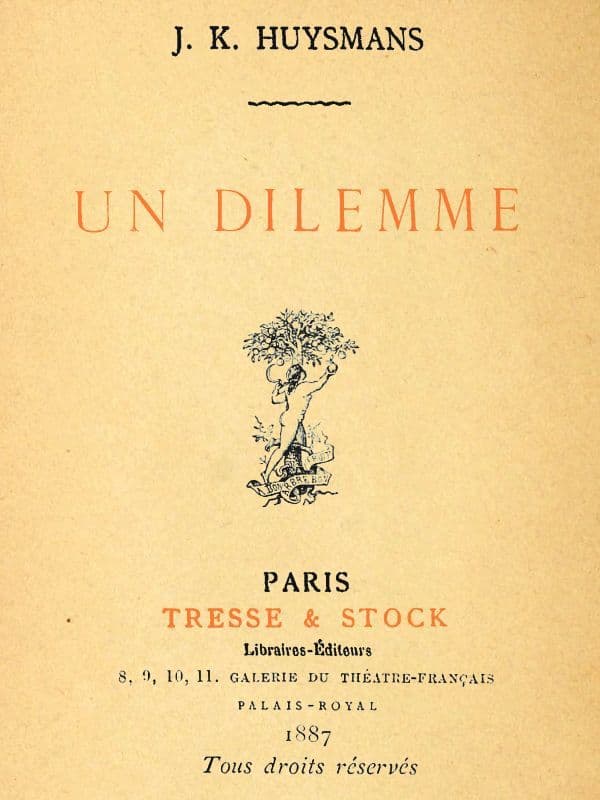
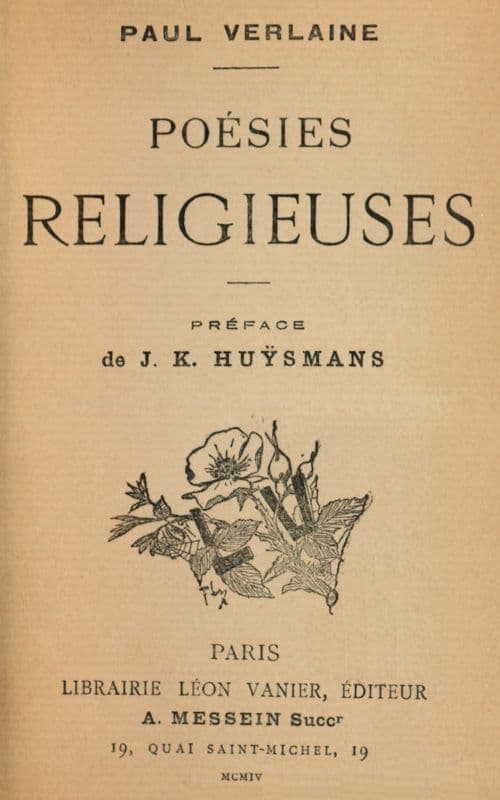
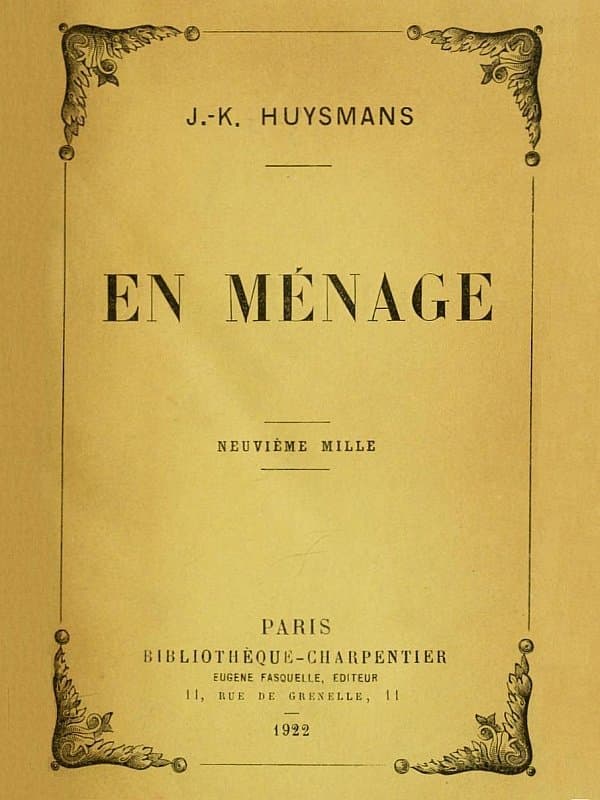
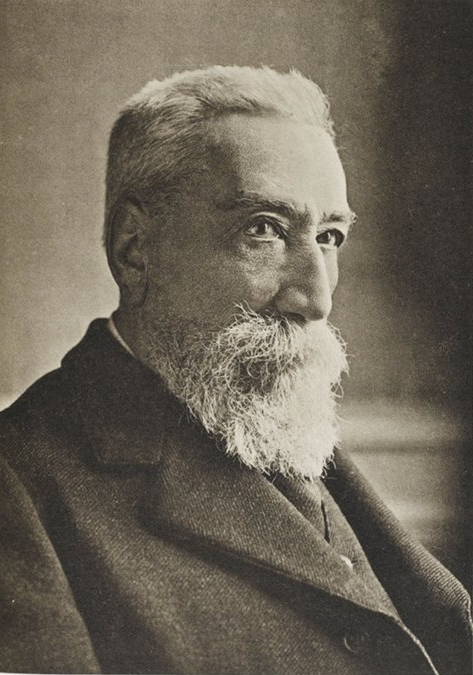
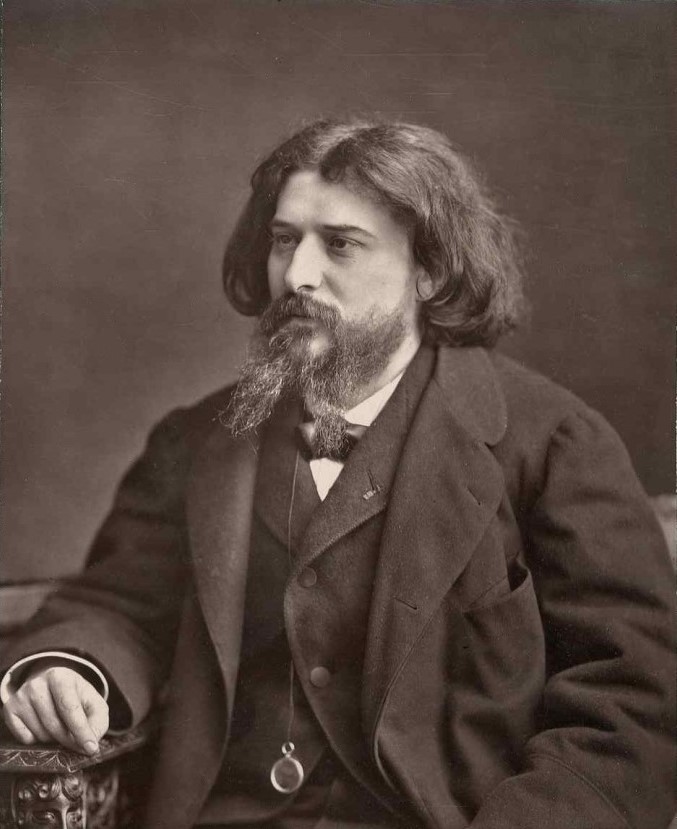
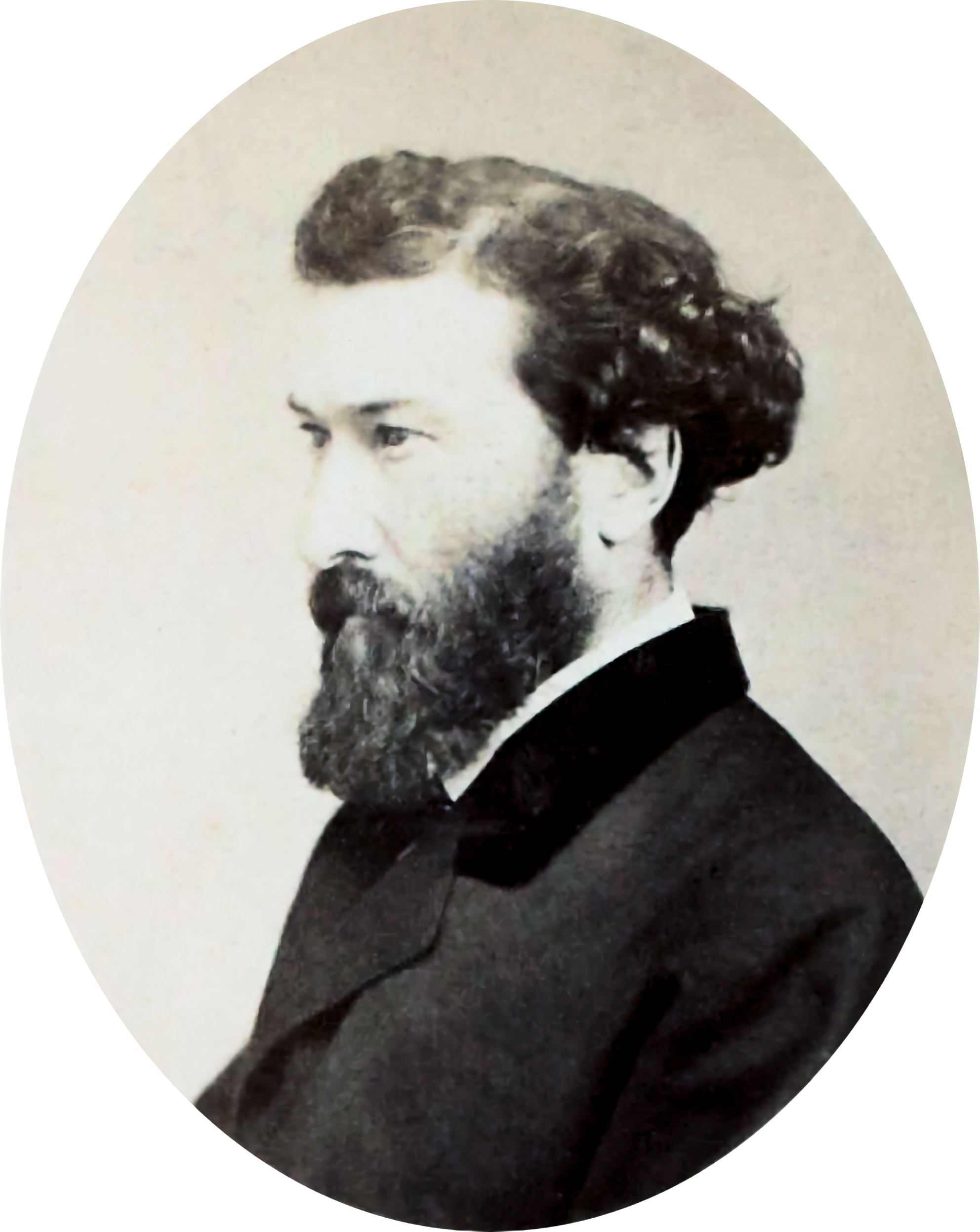
J.-K. Huysmans was a French novelist and art critic known for his influential works that explored themes of decadence and spirituality. Born in Paris, he initially pursued a career in the civil service before turning to literature, where he became associated with the Decadent movement of the late 19th century. His most notable work, 'À rebours' (Against the Grain), published in 1884, is often regarded as a seminal text of the movement, presenting a protagonist who embodies the rejection of societal norms in favor of aestheticism and personal experience. This novel, with its rich descriptions and psychological depth, marked a departure from traditional narrative forms and influenced a generation of writers, including Oscar Wilde and Marcel Proust. In addition to 'À rebours', Huysmans wrote several other significant works, including 'Là-bas' (Down There), which delved into themes of mysticism and the occult, reflecting his own spiritual journey. His later writings, particularly 'En route', showcased a shift towards Catholicism and a more introspective exploration of faith. Huysmans' legacy lies in his ability to blend literary innovation with profound philosophical inquiry, making him a key figure in the transition from 19th-century realism to modernist literature. His exploration of the complexities of human experience continues to resonate with readers and writers alike, securing his place in the canon of French literature.
Books from the author






Link to this page
Add a free, dofollow link to Lex on your blog, forum, syllabus, or reading list.

<a href="https://lex-books.com/author/j-k-huysmans"><img src="https://lex-books.com/badges/read-on-lex.svg" alt="J.-K. Huysmans on Lex" width="160" height="40"></a>[](https://lex-books.com/author/j-k-huysmans)[url=https://lex-books.com/author/j-k-huysmans][img]https://lex-books.com/badges/read-on-lex.svg[/img][/url]J.-K. Huysmans on Lex: https://lex-books.com/author/j-k-huysmans