The Freedmen's Book
1866
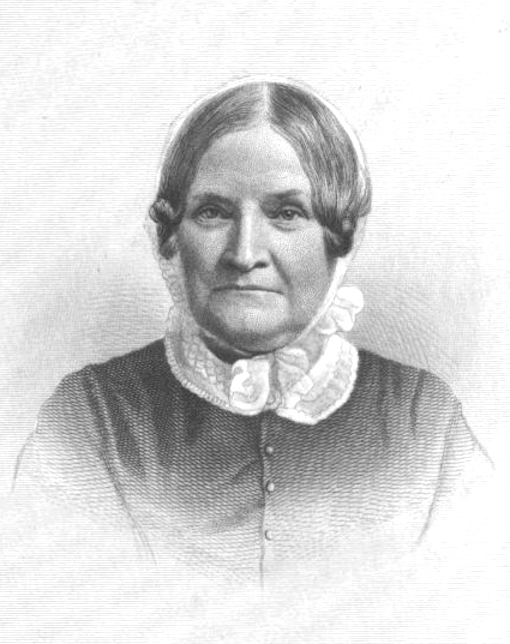
Published in 1866, in the volatile aftermath of the Civil War, Lydia Maria Child compiled this extraordinary anthology as a gift to the newly freed. Designed to uplift and educate men and women emerging from slavery, the book gathers biographies, poems, and narratives that had previously been buried or deliberately suppressed. It opens with the remarkable story of Ignatius Sancho, born on a slave ship and later becoming a celebrated figure in Georgian England, a man of letters who corresponded with the great minds of his age. Through these pages, readers encounter Frederick Douglass, Sojourner Truth, and dozens of other Black Americans whose achievements defied the cruelty of the era that defined them. Child understood that freedom required more than legal emancipation; it demanded knowledge of self, a sense of history, and proof that excellence had always existed alongside oppression. This is not merely a historical document but an act of radical generosity, a literary monument built from the fragments of Black achievement when the nation most needed to see it.
Editions
Link to this book
Add a free, dofollow link to Lex on your blog, forum, syllabus, or reading list.

<a href="https://lex-books.com/book/the-freedmen-s-book-490f229e-2c91-4d9f-8902-8d4ff85c4493"><img src="https://lex-books.com/badges/read-on-lex.svg" alt="Read The Freedmen's Book by Lydia Maria Child free on Lex" width="160" height="40"></a>[](https://lex-books.com/book/the-freedmen-s-book-490f229e-2c91-4d9f-8902-8d4ff85c4493)[url=https://lex-books.com/book/the-freedmen-s-book-490f229e-2c91-4d9f-8902-8d4ff85c4493][img]https://lex-books.com/badges/read-on-lex.svg[/img][/url]Read The Freedmen's Book by Lydia Maria Child free on Lex: https://lex-books.com/book/the-freedmen-s-book-490f229e-2c91-4d9f-8902-8d4ff85c4493Cite this book
Reading this edition for a paper or guide? Copy a citation.
Child, Lydia Maria. The Freedmen's Book. Lex, lex-books.com/book/the-freedmen-s-book-490f229e-2c91-4d9f-8902-8d4ff85c4493.Child, L. M. (1866). The Freedmen's Book. Lex. https://lex-books.com/book/the-freedmen-s-book-490f229e-2c91-4d9f-8902-8d4ff85c4493Child, Lydia Maria. The Freedmen's Book. Lex. https://lex-books.com/book/the-freedmen-s-book-490f229e-2c91-4d9f-8902-8d4ff85c4493.