
Ludwig Büchner
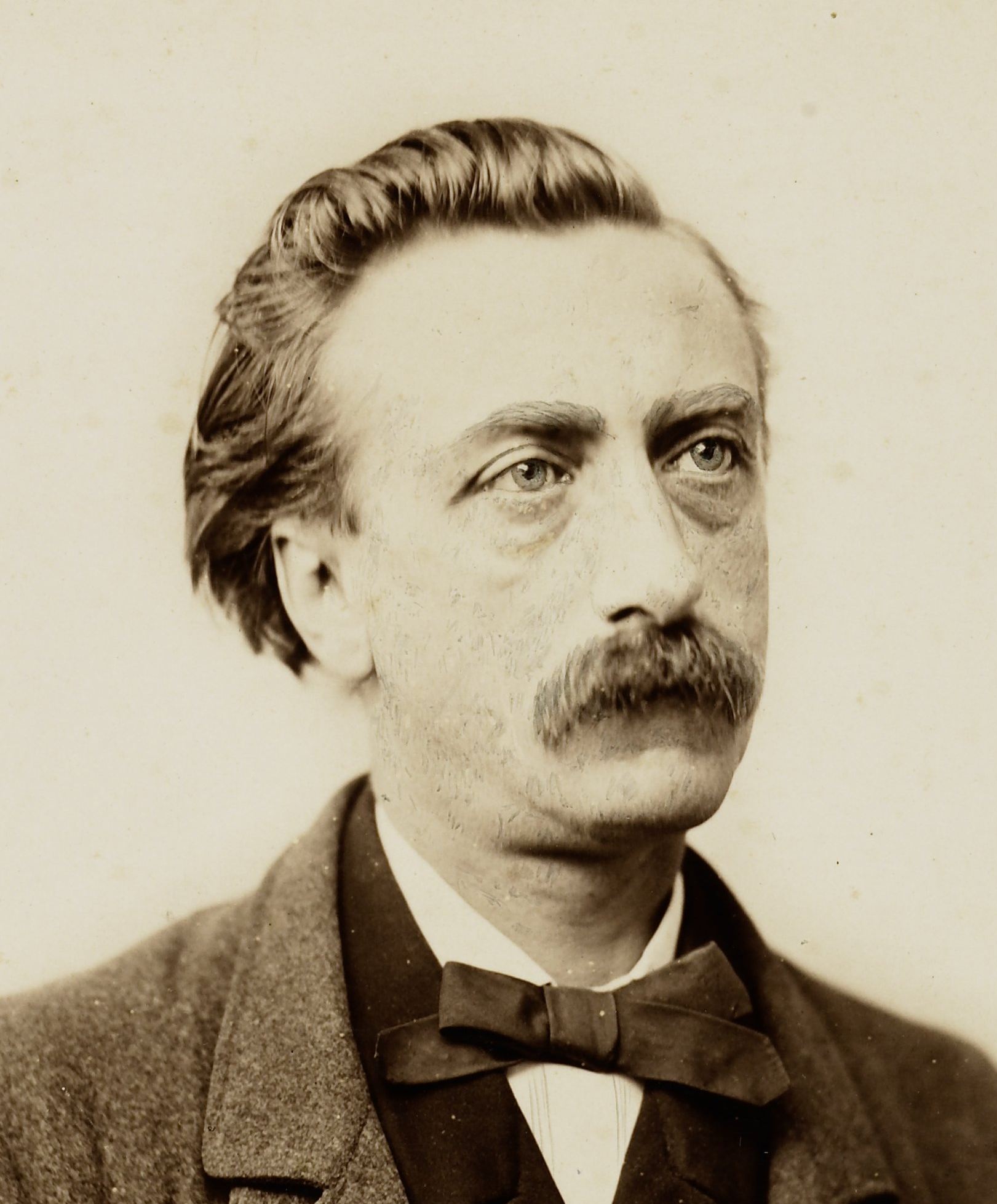
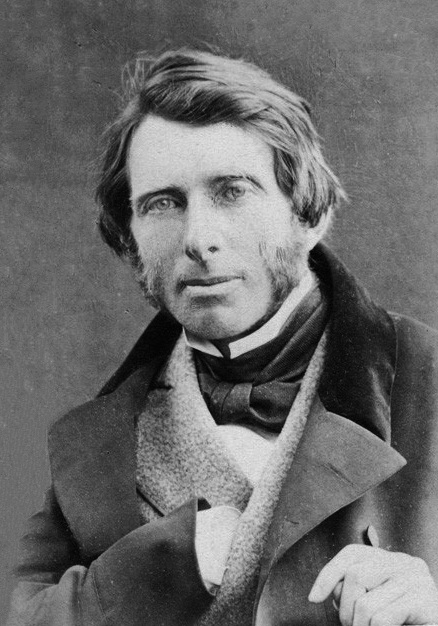
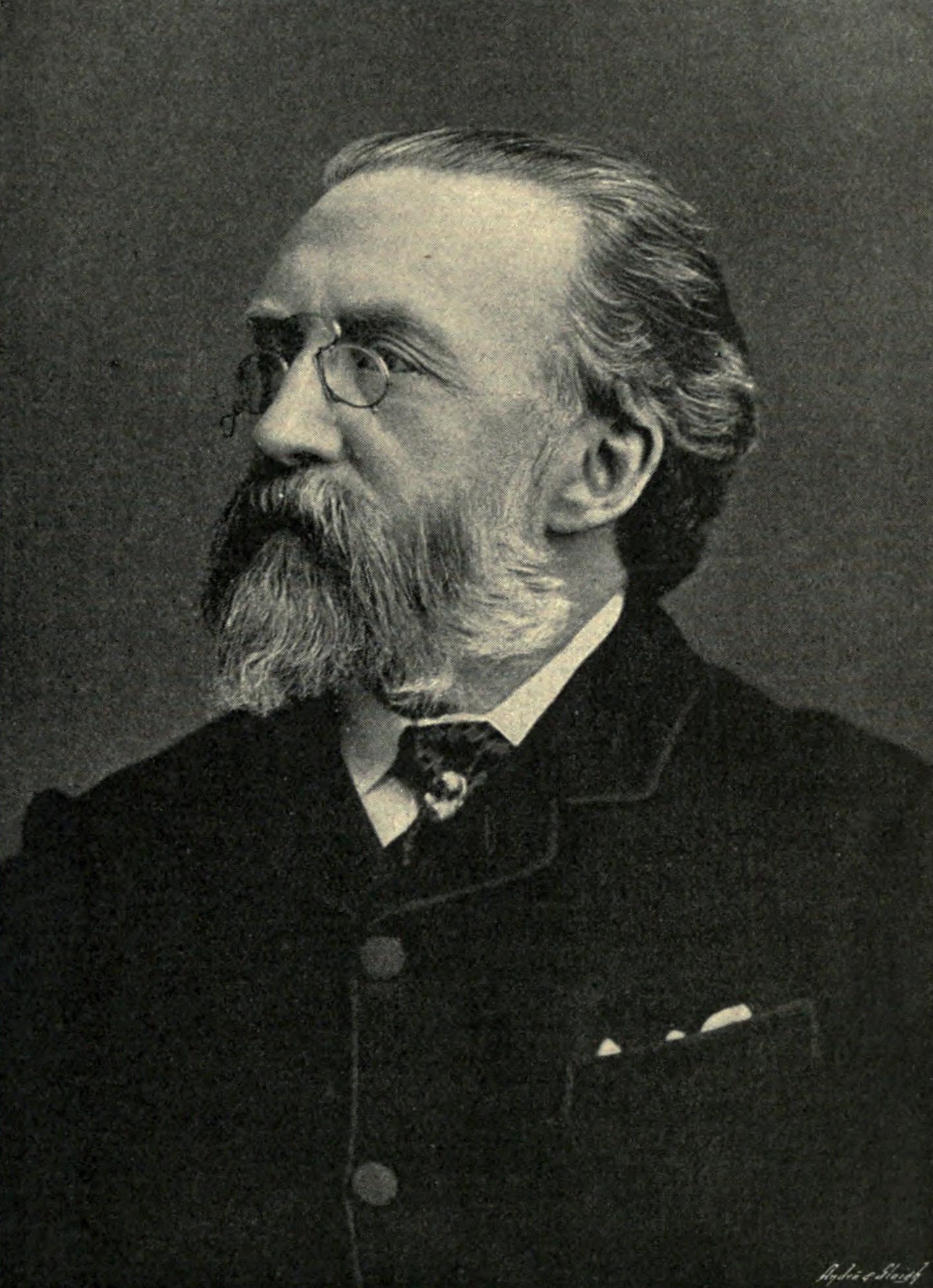
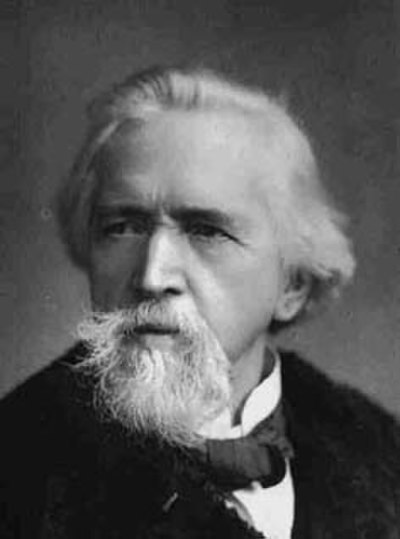
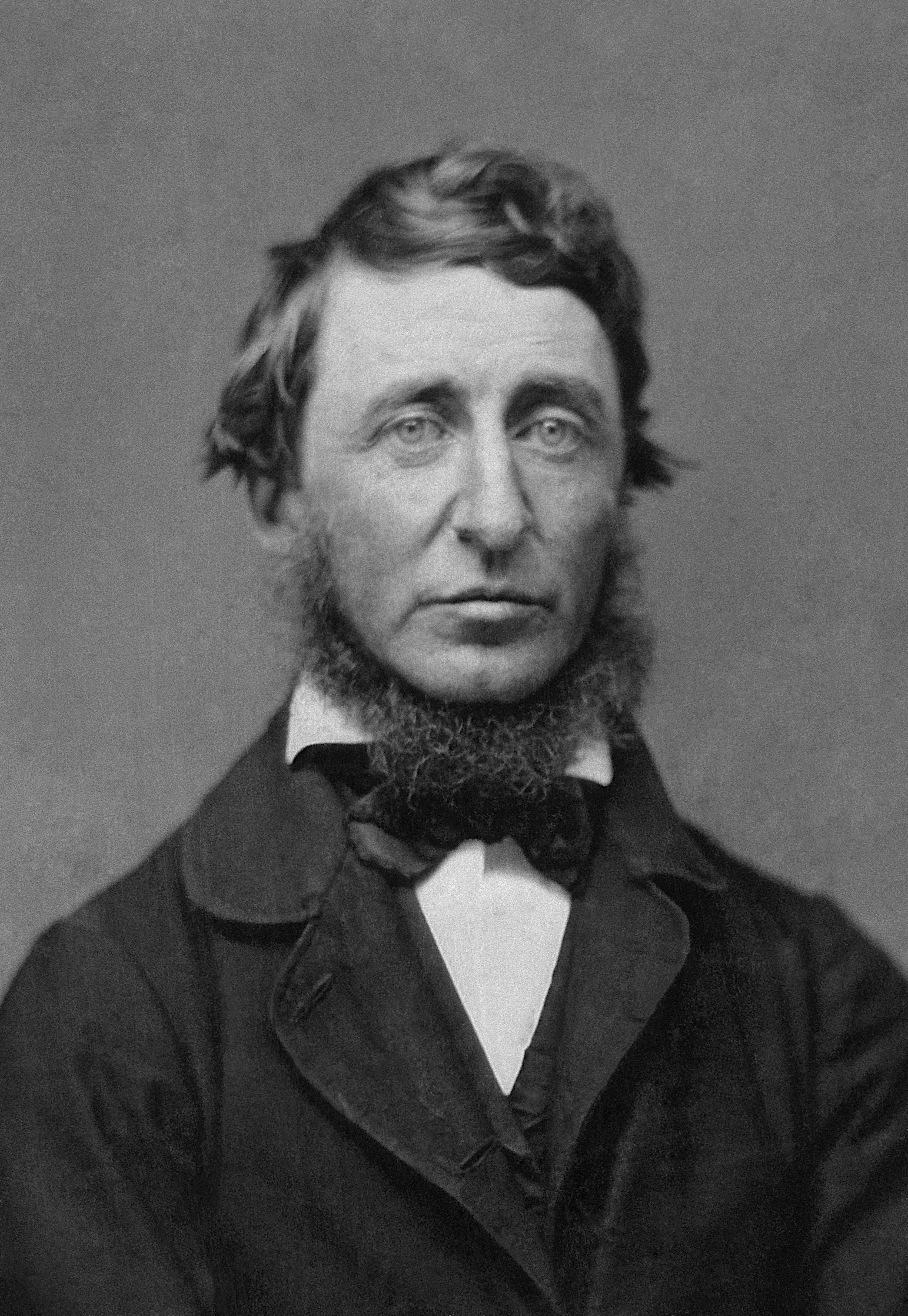
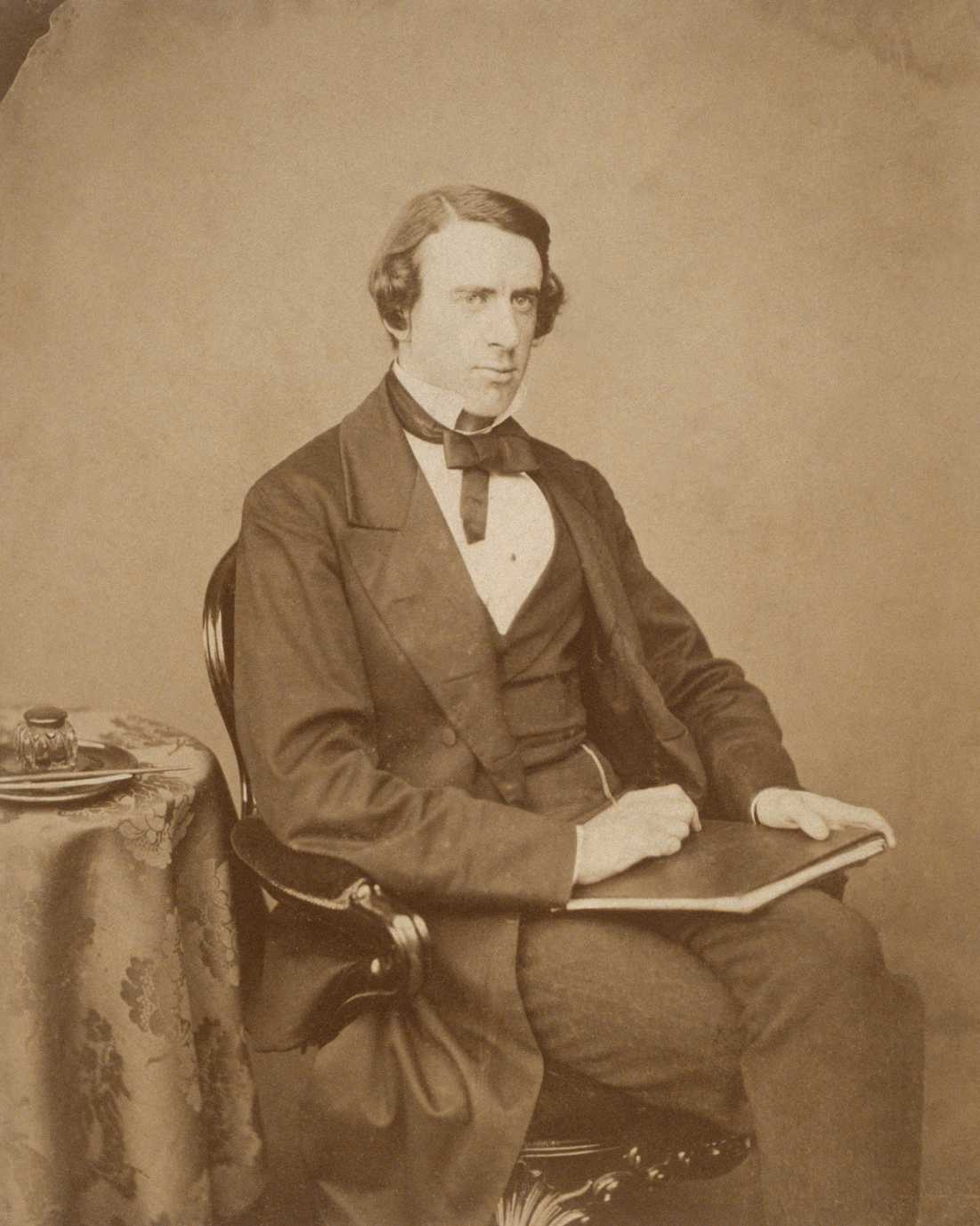
Ludwig Büchner was a German philosopher, physician, and prominent advocate of materialism in the 19th century. Born in a family of modest means, he pursued a career in medicine while simultaneously engaging with philosophical ideas that challenged the prevailing idealism of his time. His most notable work, 'Force and Matter' (1855), presented a rigorous argument for a materialist understanding of the universe, positing that all phenomena could be explained through physical processes and laws. This work was significant in promoting a scientific worldview and influenced later thinkers in both philosophy and the sciences. Büchner's contributions extended beyond philosophy; he was also involved in the political movements of his time, advocating for social reform and the rights of the working class. His writings often sparked controversy, as they directly challenged religious and metaphysical doctrines, making him a polarizing figure in German intellectual circles. Despite this, his legacy endures in the fields of philosophy and science, as he helped lay the groundwork for a more empirical approach to understanding human existence and the natural world. His commitment to materialism and rationalism continues to resonate in contemporary discussions on the philosophy of science and ethics.
Books from the author


Link to this page
Add a free, dofollow link to Lex on your blog, forum, syllabus, or reading list.

<a href="https://lex-books.com/author/ludwig-büchner"><img src="https://lex-books.com/badges/read-on-lex.svg" alt="Ludwig Büchner on Lex" width="160" height="40"></a>[](https://lex-books.com/author/ludwig-büchner)[url=https://lex-books.com/author/ludwig-büchner][img]https://lex-books.com/badges/read-on-lex.svg[/img][/url]Ludwig Büchner on Lex: https://lex-books.com/author/ludwig-büchner