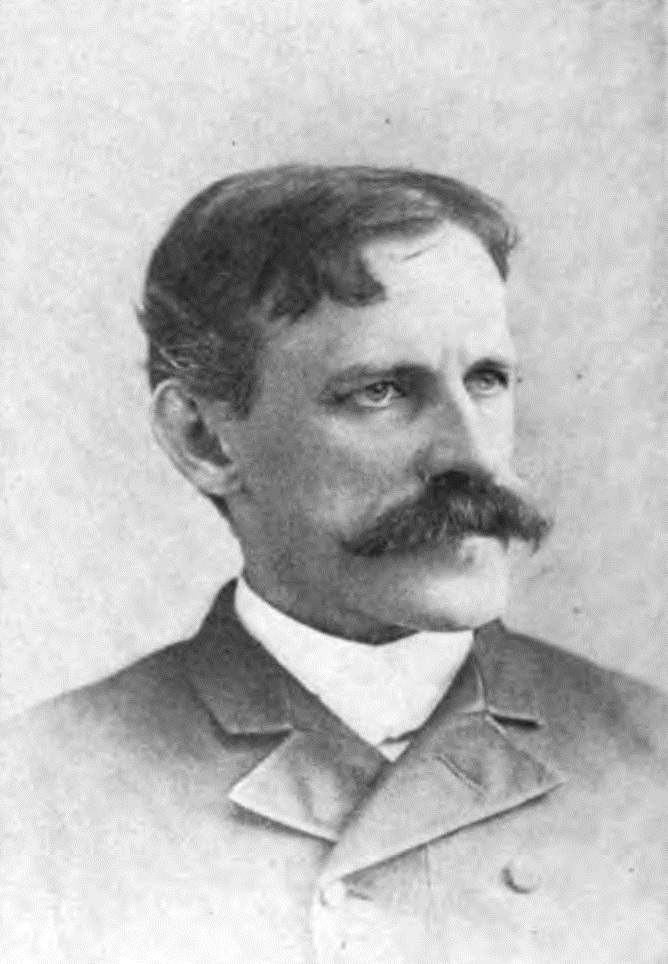
Leader Scott
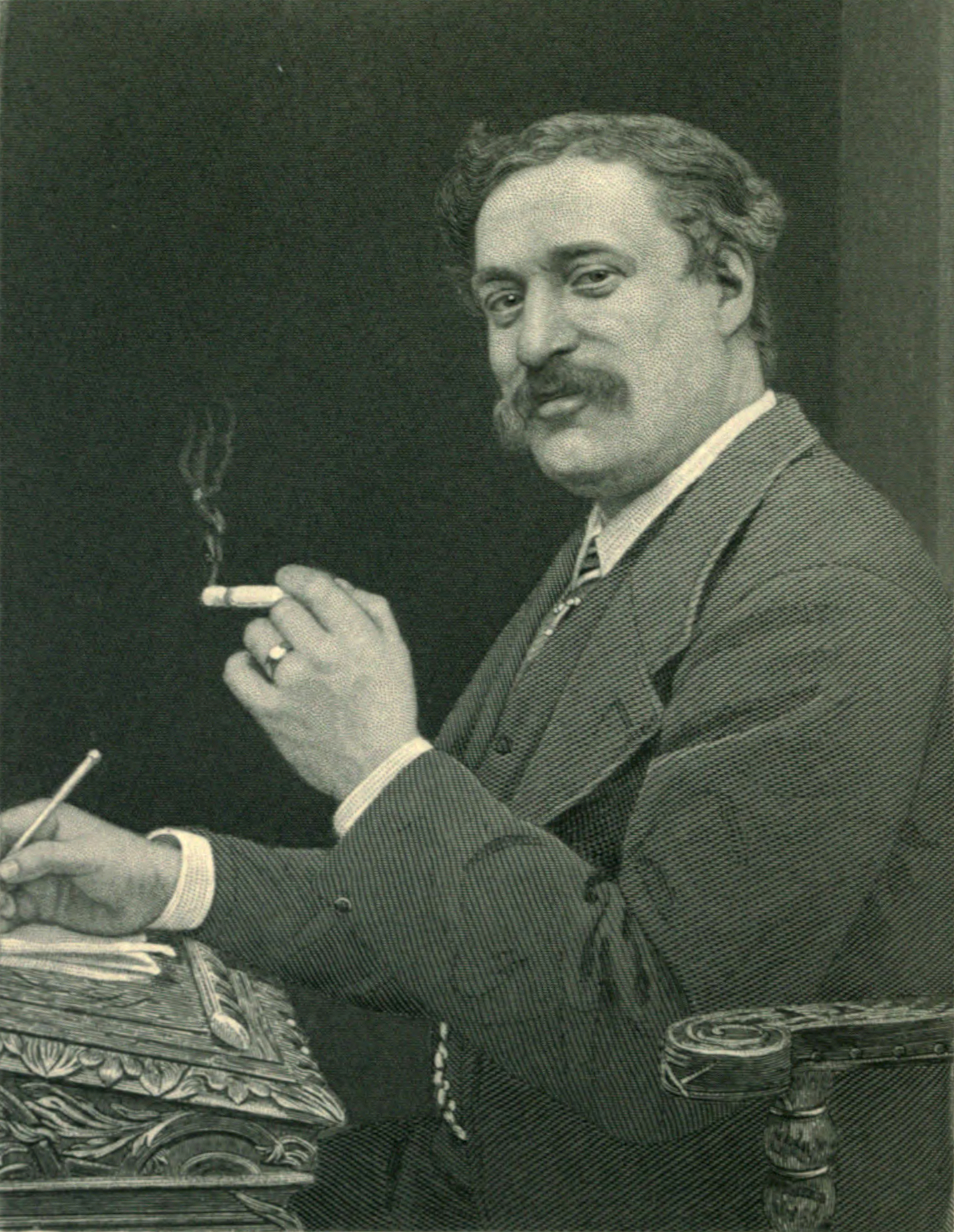
Lucy Emily Baxter, known by her pen name Leader Scott, was an influential English writer and art critic, recognized for her contributions to the literary and artistic communities of Florence. Born in Dorchester as the daughter of the Dorsetshire poet William Barnes, she began her writing career at the age of eighteen, eventually saving enough from her early works to fulfill her dream of visiting Italy. In 1867, she married Samuel Thomas Baxter and settled in Florence, where she became a prominent figure in the city's cultural life, earning an honorary membership in the Accademia delle Belle Arti in 1882. Leader Scott's most notable work, "The Cathedral Builders," published in 1899 and 1900, offered a comprehensive exploration of Romanesque architecture and the Comacine masons, showcasing her deep understanding of art history. Her unique pseudonym, which combined the maiden names of her grandmothers, reflects her personal connection to her heritage. For over three decades, she engaged with fellow artists and writers, contributing significantly to the discourse on art and architecture during a vibrant period in Florence's history. Scott's legacy endures through her scholarly works and her role in shaping the appreciation of architectural history in the late 19th century.
Famous Quotes
View all 16 quotes“As a leader, you get what you tolerate. People do not repeat behavior unless it is rewarded.””
“But in the military you don't get trusted positions just because of your ability. You also have to attract the notice of superior officers. You have to be liked. You have to fit in with the system. You have to look like what the officers above you think that officers should look like. You have to think in ways that they are comfortable with.The result was that you ended up with a command structure that was top-heavy with guys who looked good in uniform and talked right and did well enough not to embarrass themselves, while the really good ones quietly did all the serious work and bailed out their superiors and got blamed for errors they had advised against until they eventually got out.That was the military.””
“Ask yourself . . . What are my goals when I converse with people? What kinds of things do I usually discuss? Are there other topics that would be more important given what’s actually going on? How often do I find myself”
Books from the author