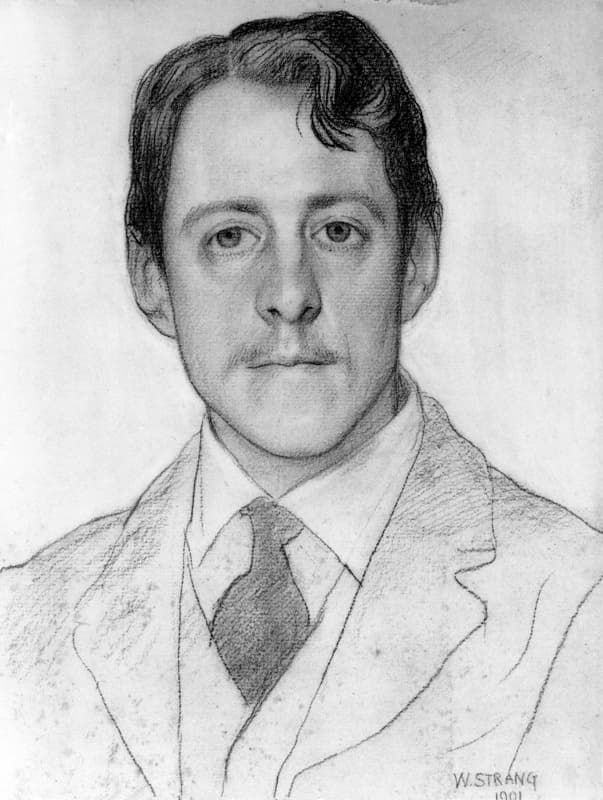
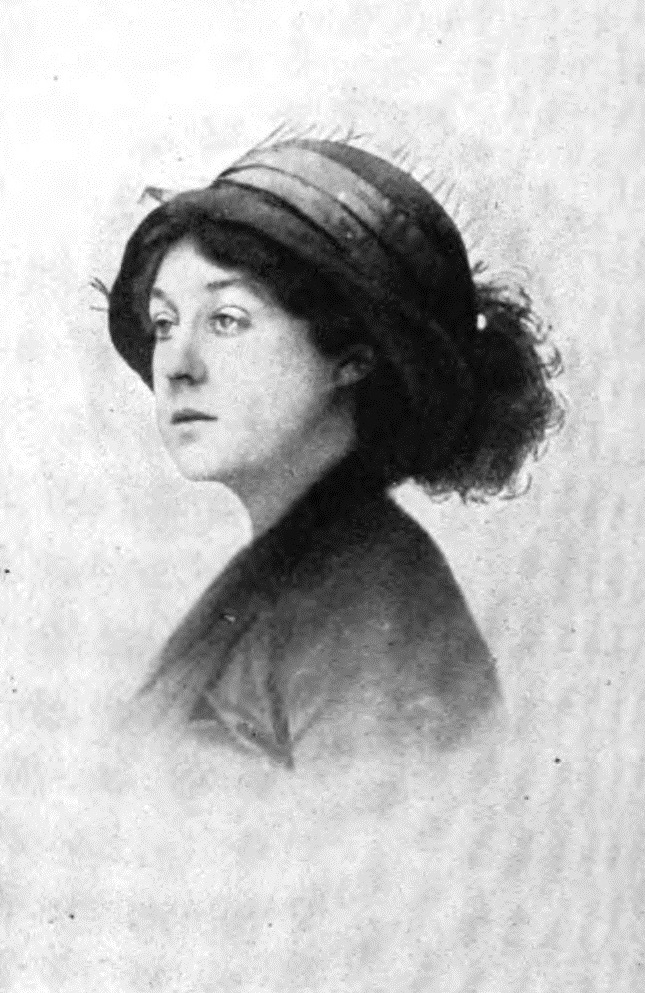
Laurence Binyon
Robert Laurence Binyon was an English poet, dramatist, and art scholar, known for his profound contributions to literature and the arts. Born in Lancaster, he was educated at St Paul's School and Trinity College, Oxford, where he distinguished himself by winning the Newdigate Prize for poetry in 1891. Binyon spent much of his professional life at the British Museum, where he worked from 1893 until his retirement in 1933. His marriage to historian Cicely Margaret Powell produced three daughters, including the artist Nicolete Gray. Binyon's literary career was notably marked by his response to the tragedies of World War I, particularly through his iconic poem "For the Fallen," which has become a staple of remembrance ceremonies in several Commonwealth countries. In addition to his poetry, Binyon volunteered as a hospital orderly during the war, an experience that informed his later work, "For Dauntless France," which was re-released in 2018 as "The Call and the Answer." His literary output extended beyond poetry; he authored numerous books on art and served as the Norton Professor of Poetry at Harvard University in 1933. Binyon's later works included a translation of Dante's "Divine Comedy," showcasing his literary versatility. His war poetry, particularly "The Burning of the Leaves," is often regarded as his masterpiece, reflecting the turmoil of his time and solidifying his legacy as a significant figure in English literature and art scholarship.
Famous Quotes
View all 3 quotes“They shall grow not old, as we that are left grow old: Age shall not weary them, nor the years condemn. At the going down of the sun and in the morning, We will remember them.”
“For The Fallen" With proud thanksgiving, a mother for her children, England mourns for her dead across the sea. Flesh of her flesh they were, spirit of her spirit, Fallen in the cause of the free. Solemn the drums thrill; Death august and royal Sings sorrow up into immortal spheres, There is music in the midst of desolation And a glory that shines upon our tears. They went with songs to the battle, they were young, Straight of limb, true of eye, steady and aglow. They were staunch to the end against odds uncounted; They fell with their faces to the foe. They shall grow not old, as we that are left grow old: Age shall not weary them, nor the years condemn. At the going down of the sun and in the morning We will remember them. They mingle not with their laughing comrades again; They sit no more at familiar tables of home; They have no lot in our labour of the day-time; They sleep beyond England's foam. But where our desires are and our hopes profound, Felt as a well-spring that is hidden from sight, To the innermost heart of their own land they are known As the stars are known to the Night; As the stars that shall be bright when we are dust, Moving in marches upon the heavenly plain; As the stars that are starry in the time of our darkness, To the end, to the end, they remain.”
“We too should make ourselves empty, that the great soul of the universe may fill us with its breath.”
Books from the author
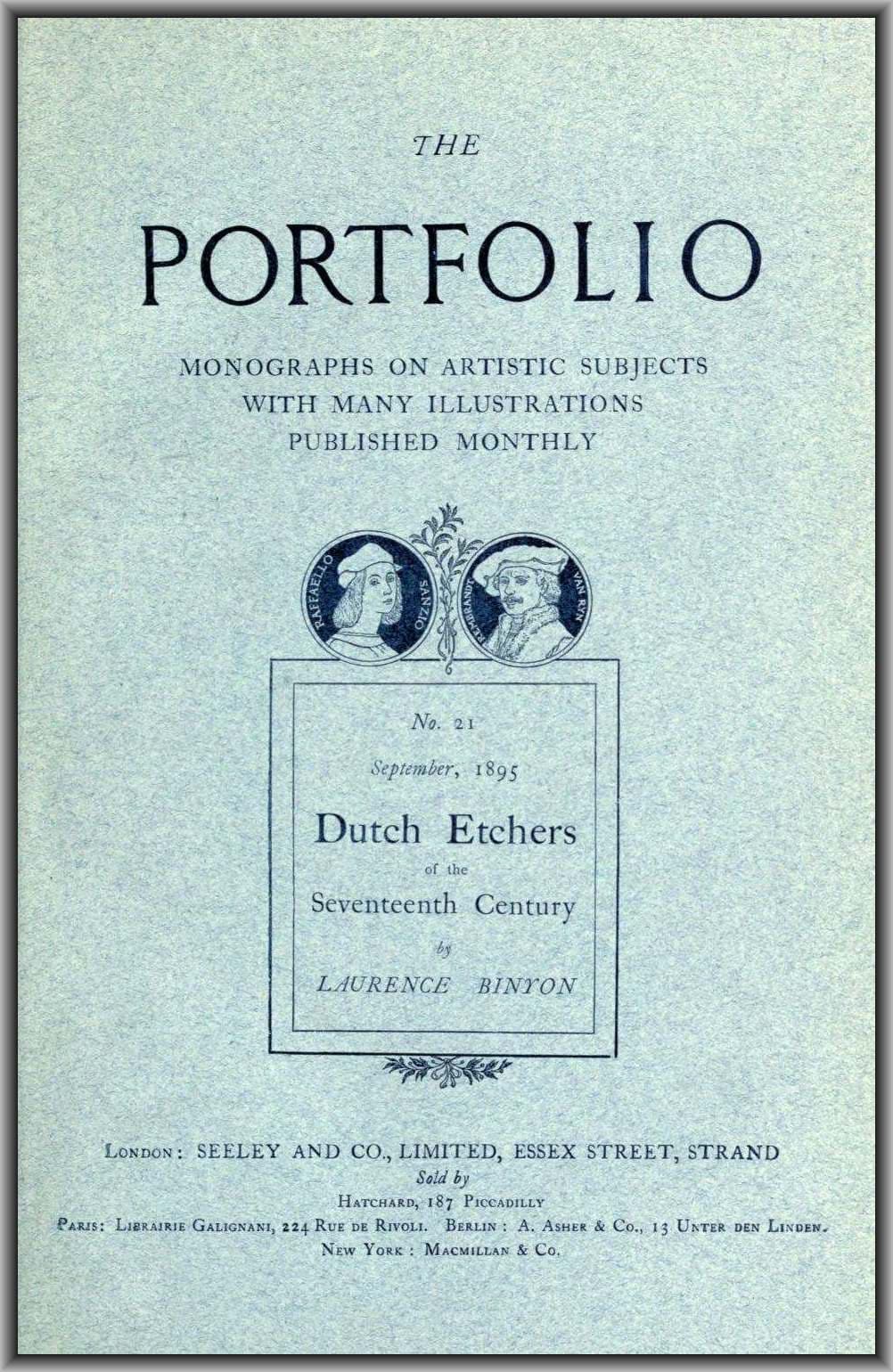
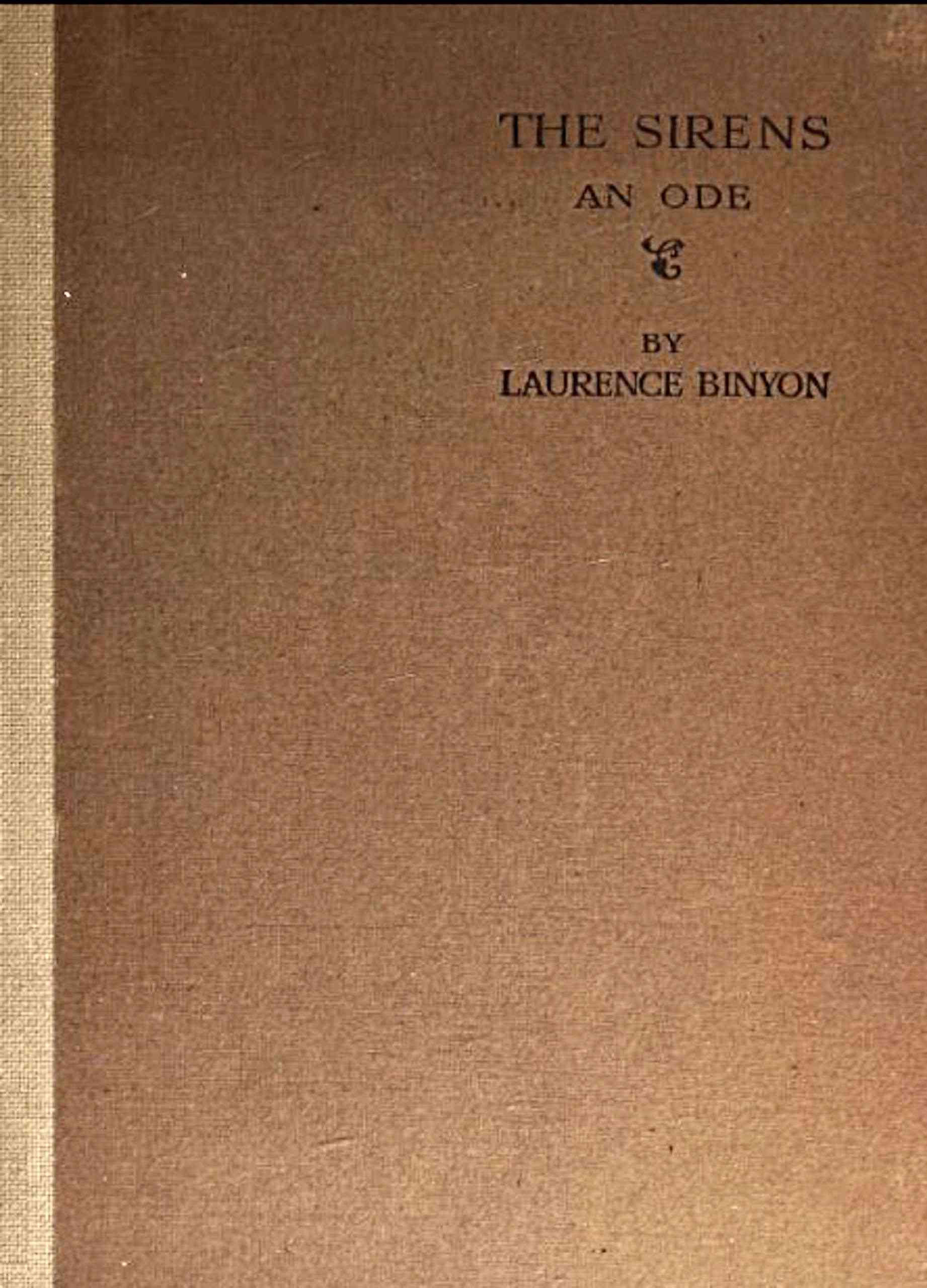
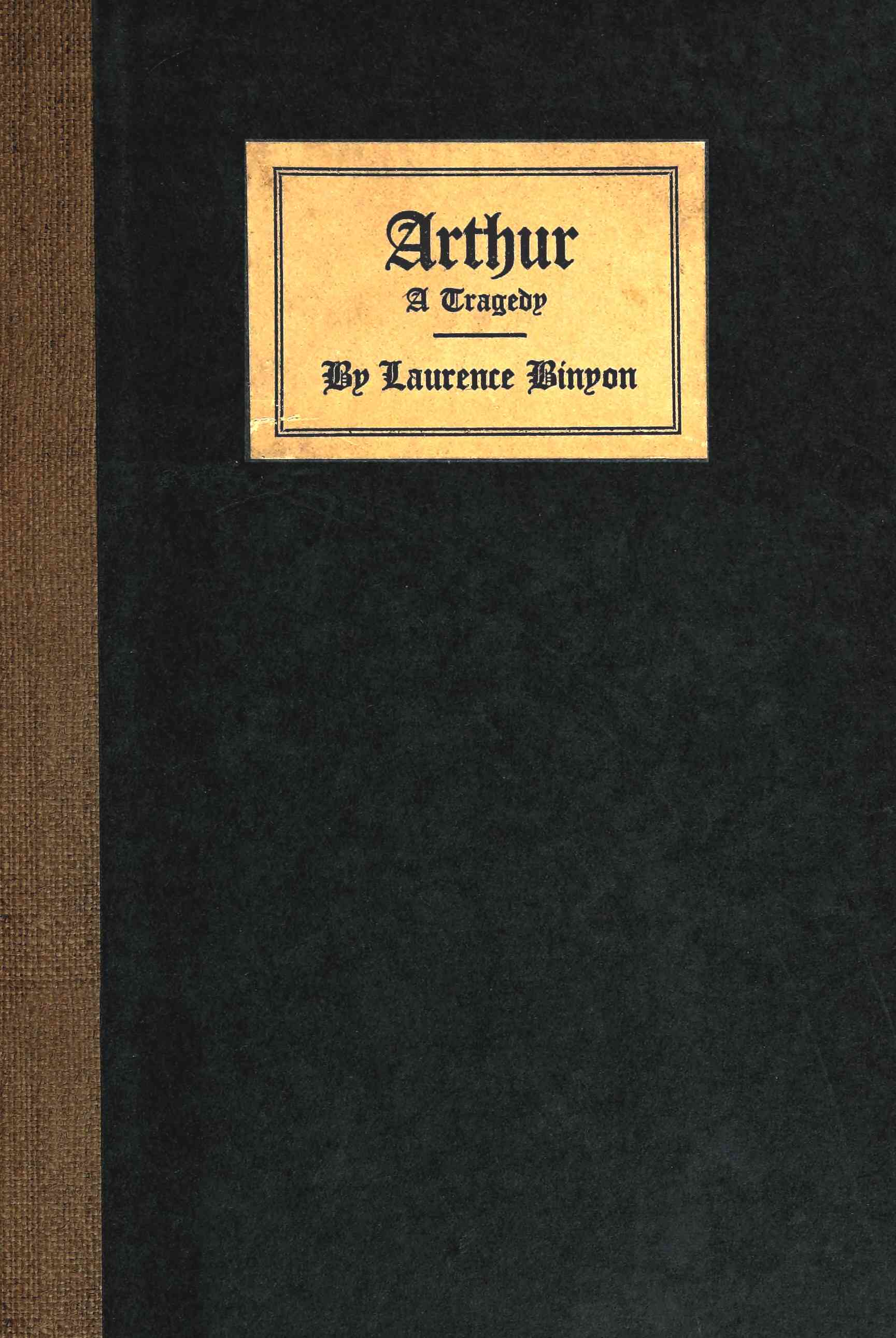



Link to this page
Add a free, dofollow link to Lex on your blog, forum, syllabus, or reading list.

<a href="https://lex-books.com/author/laurence-binyon"><img src="https://lex-books.com/badges/read-on-lex.svg" alt="Laurence Binyon on Lex" width="160" height="40"></a>[](https://lex-books.com/author/laurence-binyon)[url=https://lex-books.com/author/laurence-binyon][img]https://lex-books.com/badges/read-on-lex.svg[/img][/url]Laurence Binyon on Lex: https://lex-books.com/author/laurence-binyon