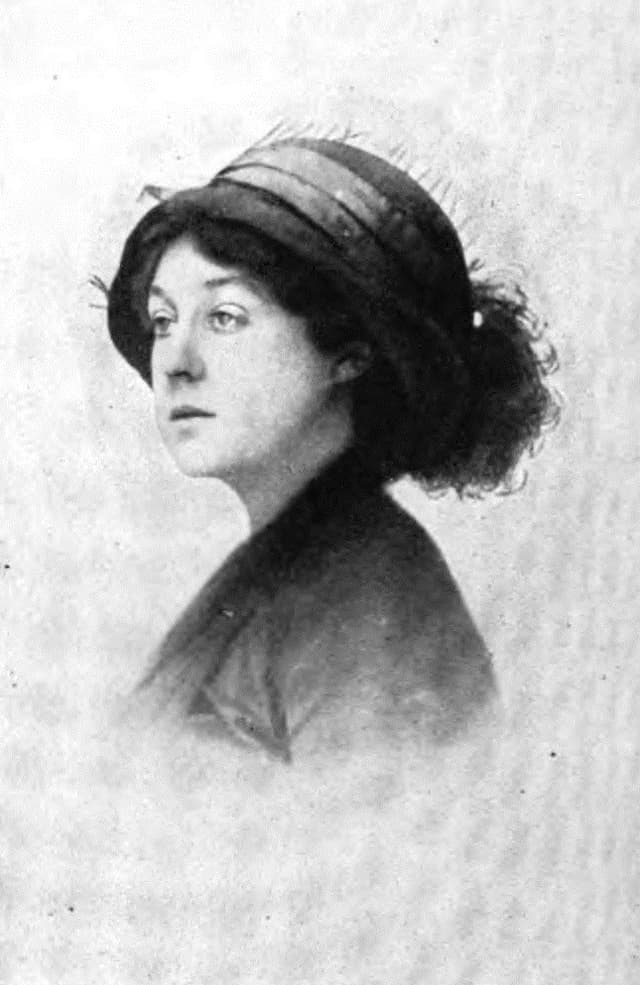
Marie Belloc Lowndes
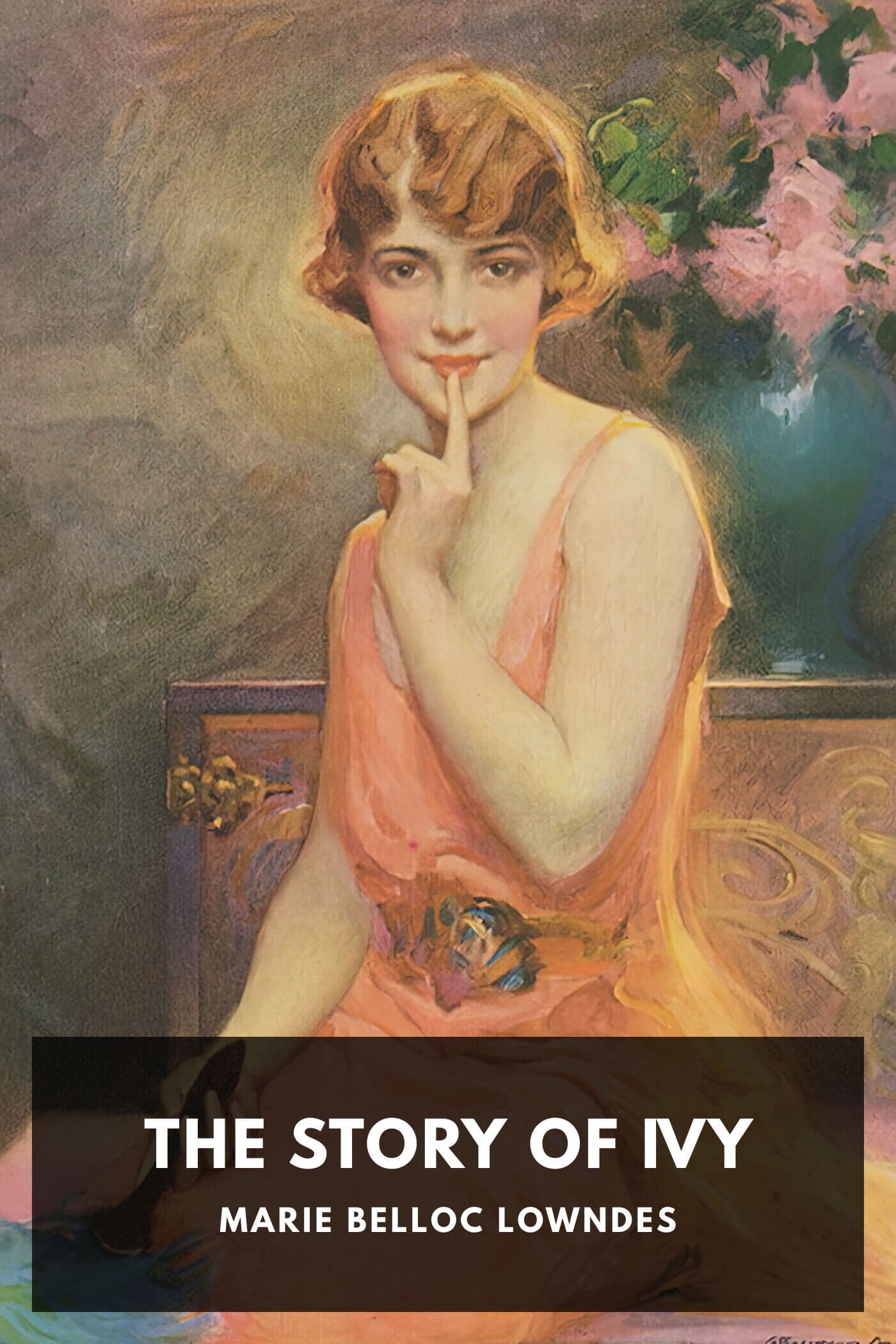
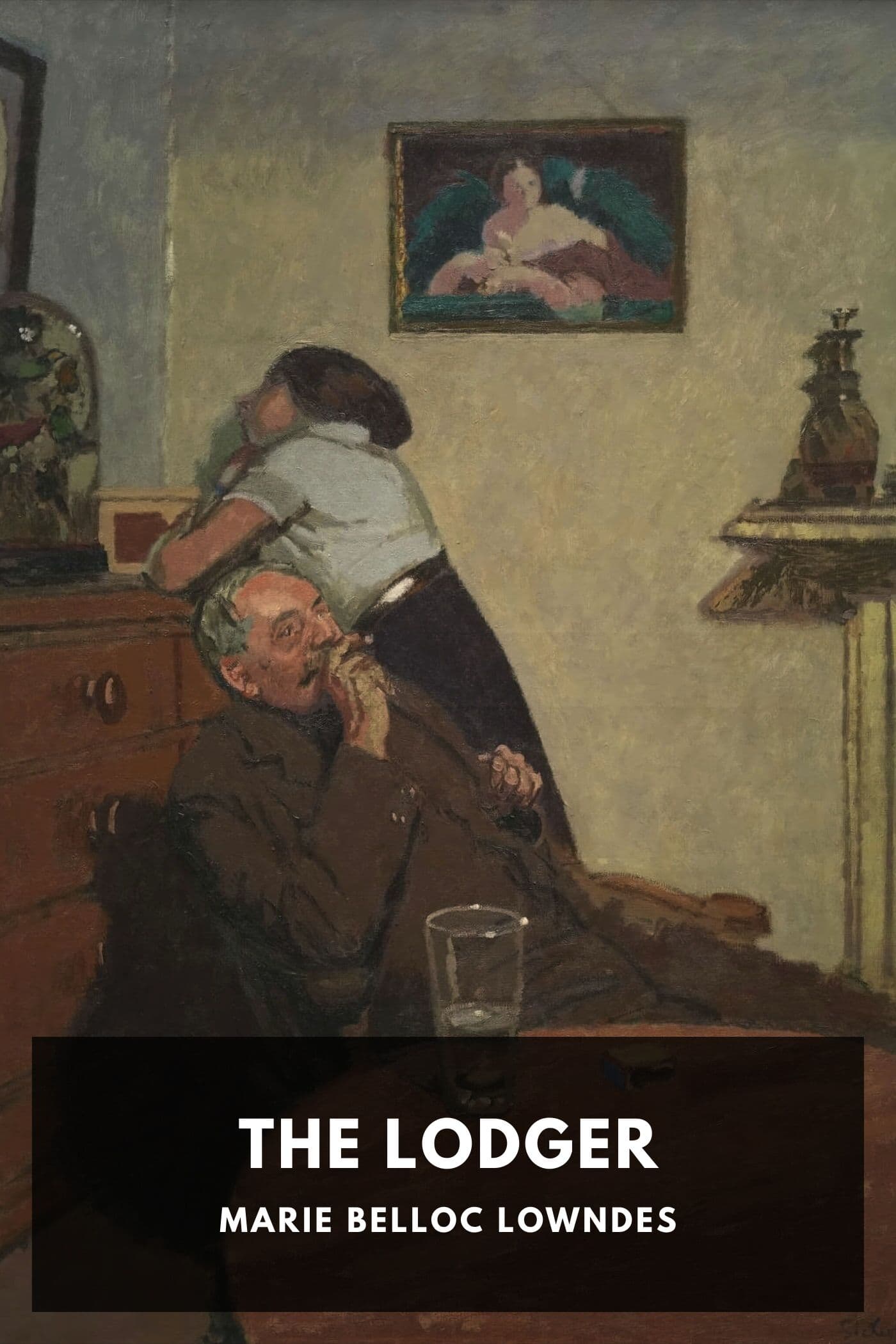
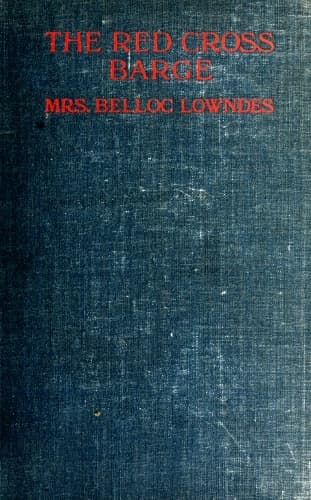
Marie Belloc Lowndes was a notable English novelist known for her engaging narratives that intertwined thrilling plots with deep psychological insights. Born into a literary family as the sister of Hilaire Belloc, she began her writing career in 1898 and quickly established herself as a prolific author. Her works often explored themes of crime and suspense, with a strong emphasis on character development. Among her most recognized novels are 'The Lodger,' which delves into the mind of a mysterious tenant suspected of murder, and 'Letty Lynton,' a tale of love and betrayal that captivated readers and was later adapted for the screen. Lowndes's literary significance lies not only in her compelling storytelling but also in her ability to influence the genre of psychological thrillers. Several of her novels were adapted into films, highlighting her impact on popular culture. 'The Lodger' remains particularly notable, having been adapted multiple times, including a famous version by Alfred Hitchcock. Throughout her career, Lowndes's work reflected the complexities of human nature and societal issues, securing her legacy as a pioneering female voice in early 20th-century literature.
Famous Quotes
View all 3 quotes“Absence does make the heart grow fonder—at first, at any rate. Mrs. Bunting was well aware of that. During the long course of hers and Bunting's mild courting, they'd been separated for about three months, and it was that three months which had made up her mind for her. She had got so used to Bunting that she couldn't do without him, and she had felt—oddest fact of all—acutely, miserably jealous.”
“There are certain winter days when bed and bath seem to be the only two tolerable places in the world.”
“For one thing she [Alice Hayward] possessed that passionate love of abstract justice which has become more a woman's than a man's trait, in our modern civilisation.”
Books from the author
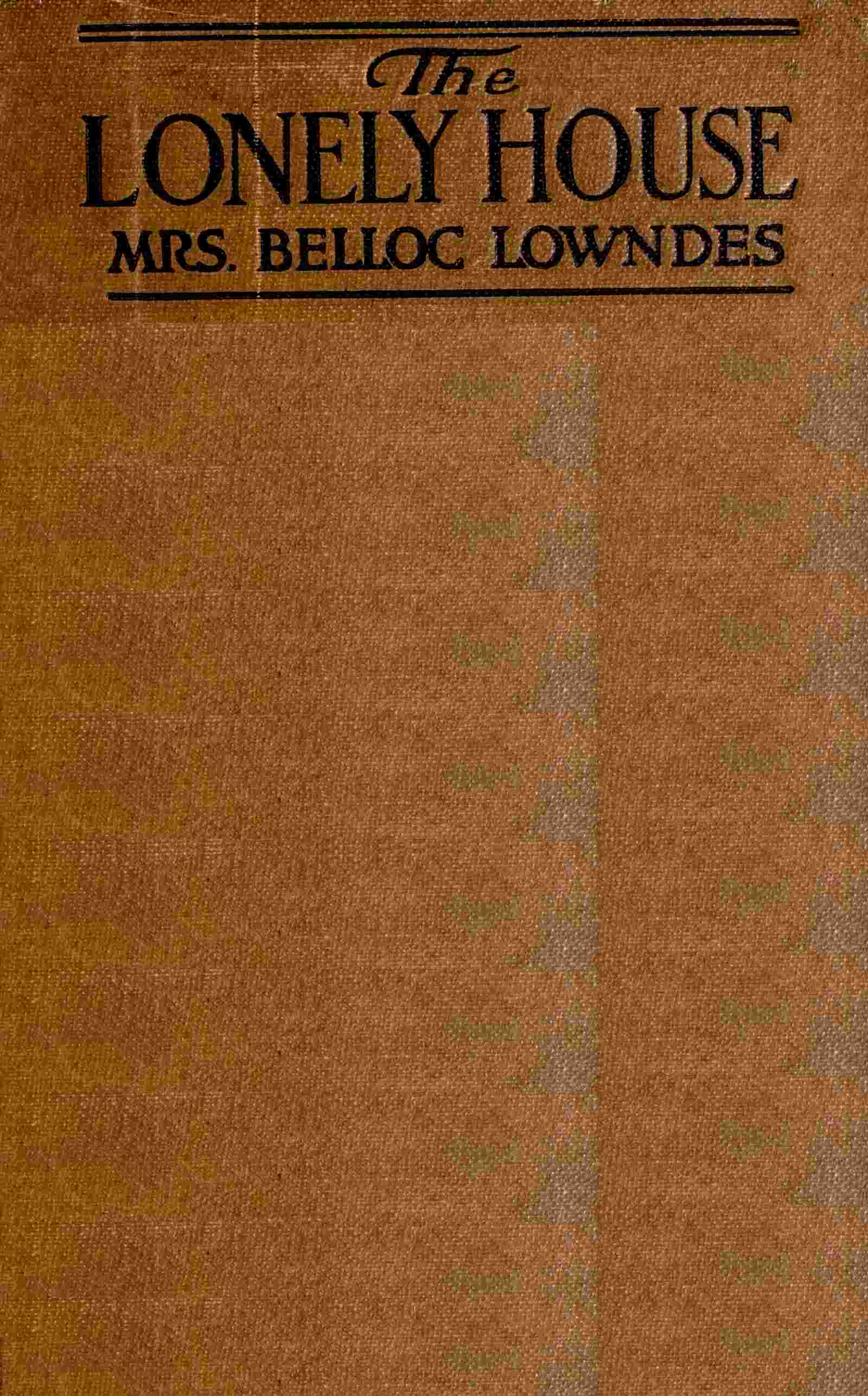
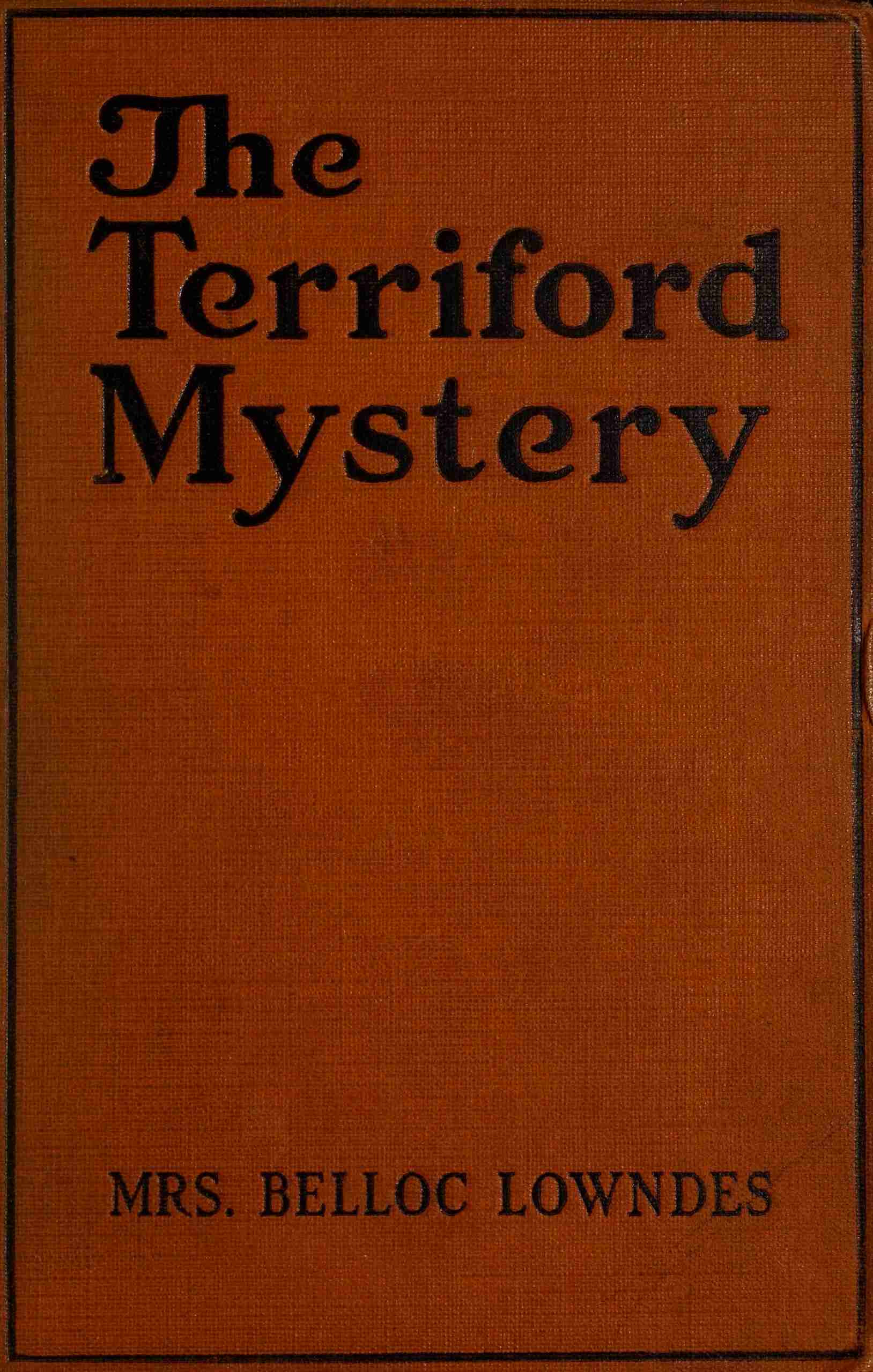
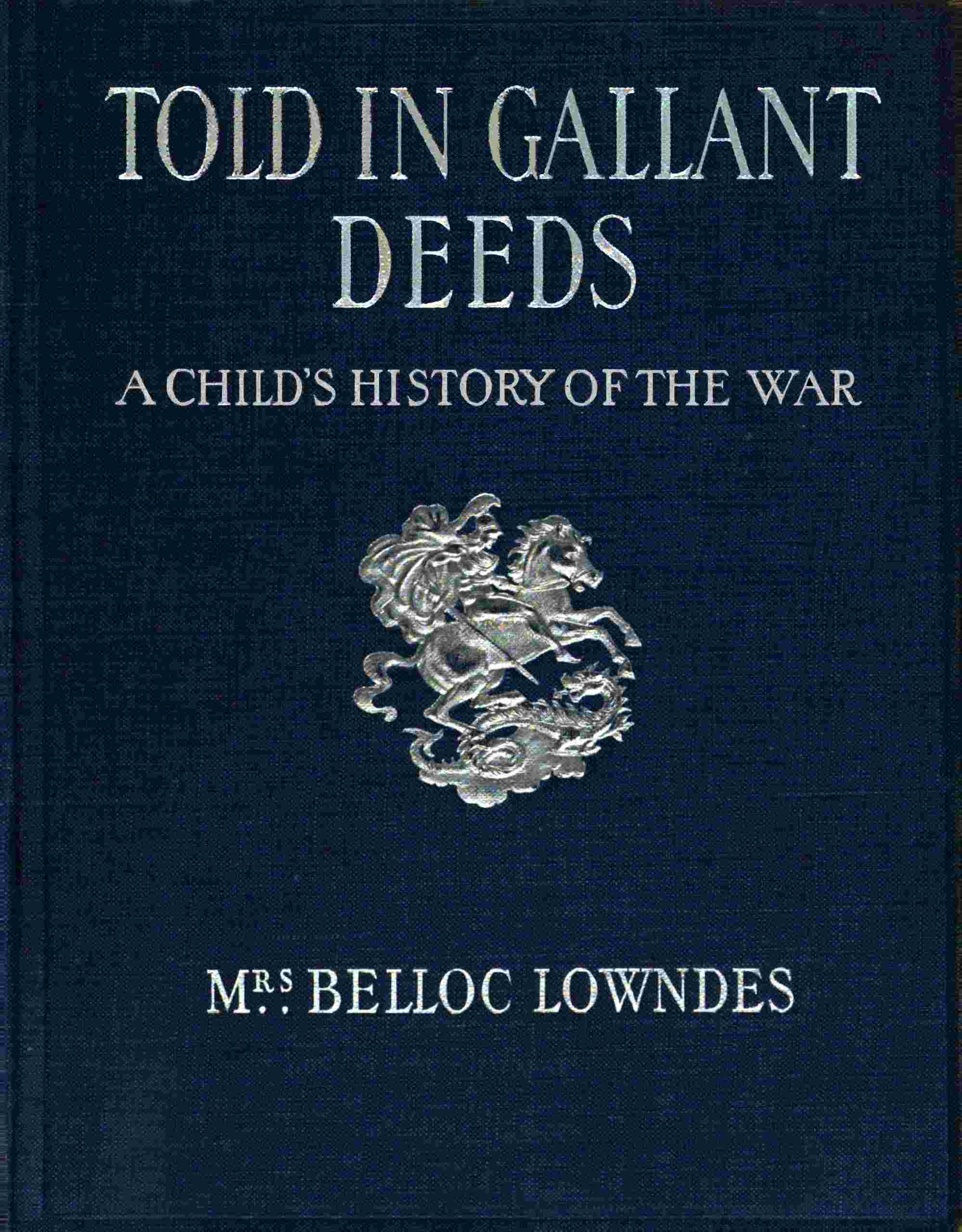


Link to this page
Add a free, dofollow link to Lex on your blog, forum, syllabus, or reading list.

<a href="https://lex-books.com/author/marie-belloc-lowndes"><img src="https://lex-books.com/badges/read-on-lex.svg" alt="Marie Belloc Lowndes on Lex" width="160" height="40"></a>[](https://lex-books.com/author/marie-belloc-lowndes)[url=https://lex-books.com/author/marie-belloc-lowndes][img]https://lex-books.com/badges/read-on-lex.svg[/img][/url]Marie Belloc Lowndes on Lex: https://lex-books.com/author/marie-belloc-lowndes