
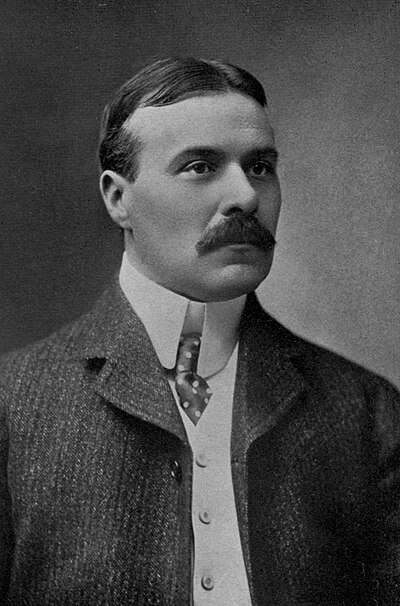
Gabriele D'Annunzio
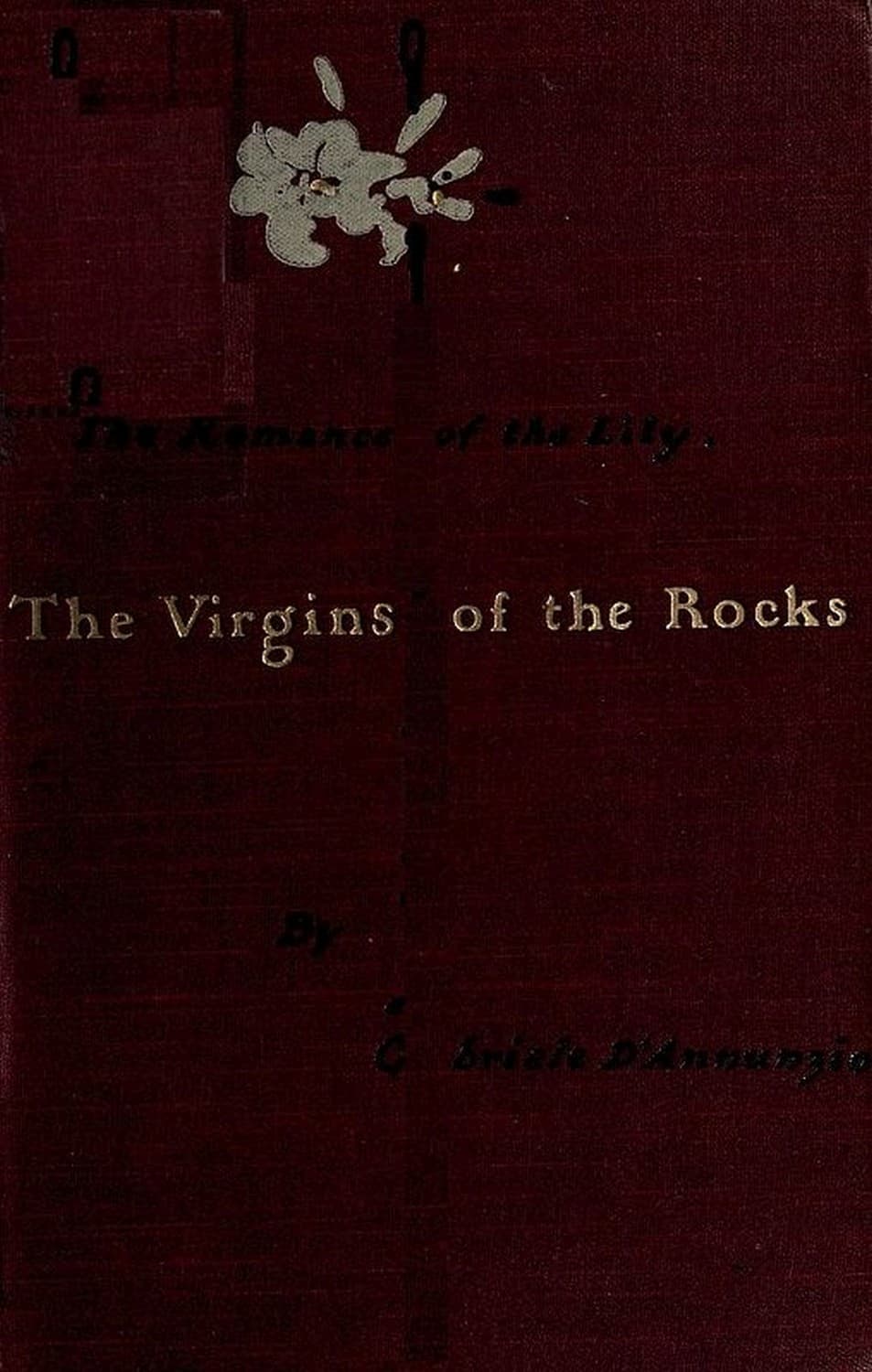
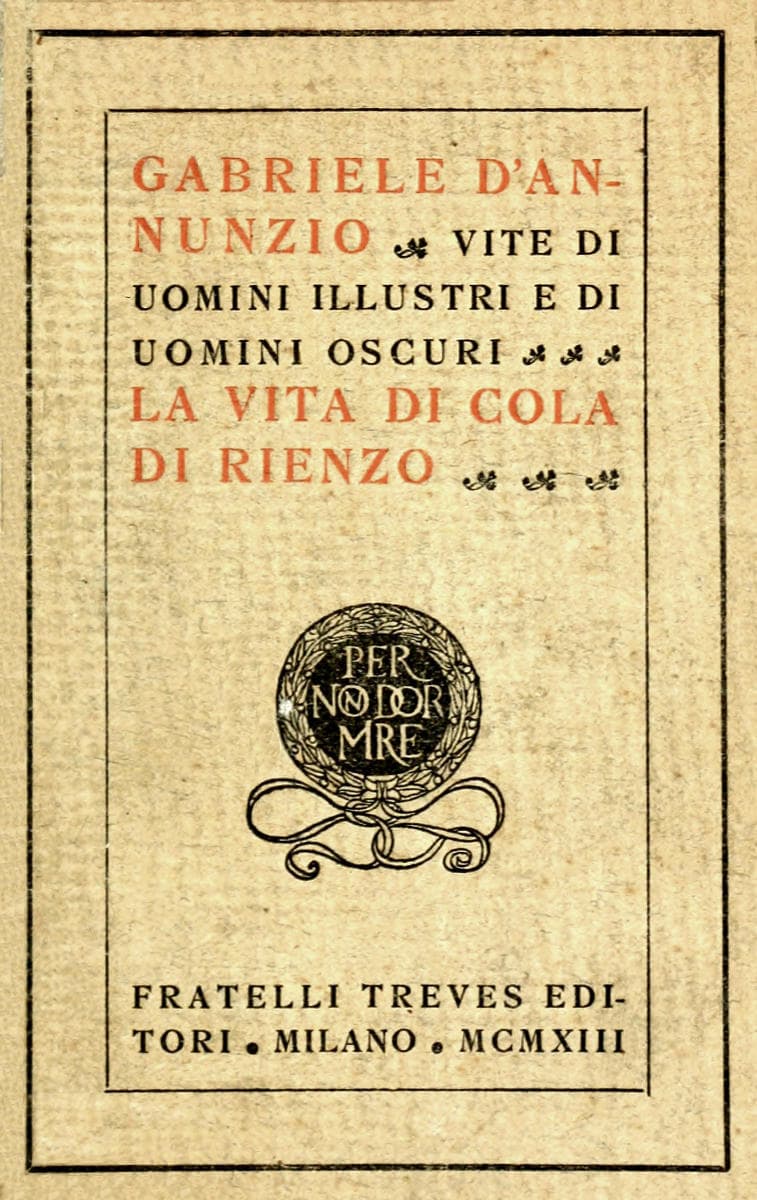
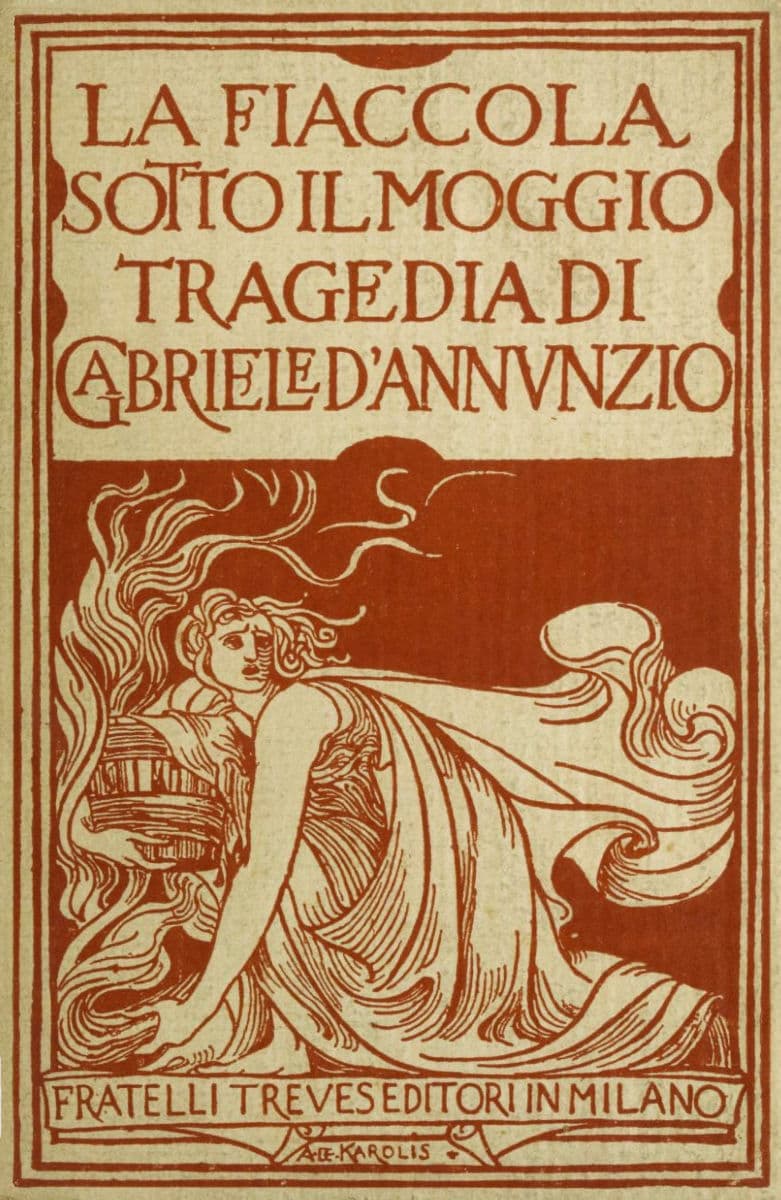
Gabriele D'Annunzio was an influential Italian poet, playwright, and nationalist figure whose works and political activities left a significant mark on early 20th-century Italy. Born into a middle-class family, he emerged as a prominent literary voice associated with the Decadent movement, intertwining elements of French symbolism and British aestheticism in his writings. His notable works, such as 'The Triumph of Death' and 'The Flame of Life,' showcased a sensuous and mystical style that rejected the naturalism of earlier romantic literature. D'Annunzio's literary prowess earned him the epithets 'il Profeta' and 'il Vate,' reflecting his role as a prophetic figure in Italian culture. D'Annunzio's influence extended beyond literature into the political sphere, particularly during and after World War I. He became a national hero through his involvement with the Arditi storm troops and his audacious actions, including the Flight over Vienna. His political ideology evolved over time, initially embracing socialist principles before gravitating toward nationalism. In 1919, he established the short-lived Italian Regency of Carnaro in Fiume, where he enacted a corporatist charter that emphasized music as a foundational principle of governance. Although he distanced himself from fascism, his ideas and aesthetics significantly influenced Benito Mussolini and the development of Italian fascism, while also inspiring early resistance movements against it. D'Annunzio's legacy as a complex figure straddling the realms of art and politics continues to provoke discussion and analysis in contemporary discourse.
Famous Quotes
View all 3 quotes“And in the kisses, what deep sweetness! There are women's mouths that seem to ignite with love the breath that opens them. Whether they are reddened by blood richer than purple, or frozen by the pallor of agony, whether they are illuminated by the goodness of consent or darkened by the shadow of disdain, they always carry within them an enigma that disturbs men of intellect, and attracts them and captivates them. A constant discord between the expression of the lips and that of the eyes generates the mystery; it seems as if a duplicitous soul reveals itself there with a different beauty, happy and sad, cold and passionate, cruel and merciful, humble and proud, laughing and mocking; and the abiguity arouses discomfort in the spirit that takes pleasure in dark things.”
“Tutto fu ambito e tutto fu tentato. Quel che non fu fatto io lo sognai e tanto era l'ardore che il sogno eguagliò l'atto.”
“Il rimpianto è il vano pascolo d'uno spirito disoccupato. Bisogna soprattutto evitare il rimpianto occupando sempre lo spirito con nuove sensazioni e nuove immaginazioni.”
Books from the author




Link to this page
Add a free, dofollow link to Lex on your blog, forum, syllabus, or reading list.

<a href="https://lex-books.com/author/gabriele-dannunzio"><img src="https://lex-books.com/badges/read-on-lex.svg" alt="Gabriele D'Annunzio on Lex" width="160" height="40"></a>[](https://lex-books.com/author/gabriele-dannunzio)[url=https://lex-books.com/author/gabriele-dannunzio][img]https://lex-books.com/badges/read-on-lex.svg[/img][/url]Gabriele D'Annunzio on Lex: https://lex-books.com/author/gabriele-dannunzio