
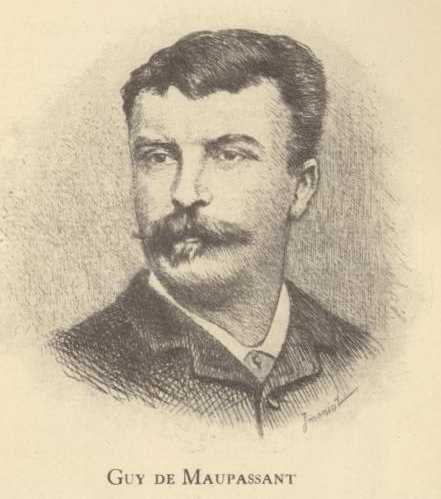
Guy de Maupassant
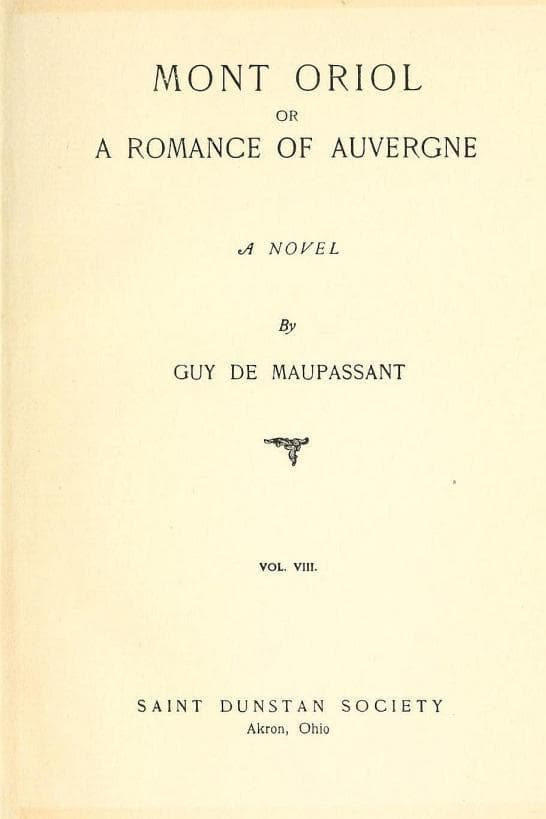
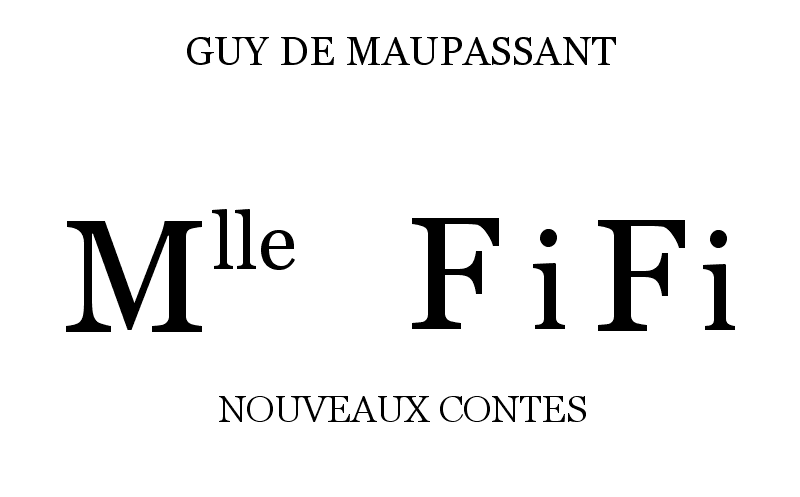
Guy de Maupassant was a prominent 19th-century French author renowned for his mastery of the short story form and his contributions to the naturalist literary movement. A protégé of Gustave Flaubert, Maupassant's writing is characterized by its economical style and sharp, often disillusioned portrayals of human lives and social dynamics. His works frequently reflect the tumultuous backdrop of the Franco-Prussian War, exploring themes of futility and the profound impact of war on innocent civilians. Maupassant's ability to weave complex narratives with seemingly effortless resolutions set him apart as a significant figure in literature. Among his extensive oeuvre, which includes over 300 short stories, six novels, and several travel books, his story "Boule de Suif" stands out as a landmark piece, often regarded as one of his most celebrated works. Maupassant's exploration of human nature, combined with his incisive social commentary, has left a lasting legacy, influencing countless writers and establishing him as a key figure in the evolution of modern storytelling. His works continue to be studied and appreciated for their psychological depth and critical insights into society, securing his place in the canon of great literary figures.
Famous Quotes
View all 20 quotes“Our memory is a more perfect world than the universe: it gives back life to those who no longer exist.””
“Words dazzle and deceive because they are mimed by the face. But black words on a white page are the soul laid bare.””
“There is only one good thing in life, and that is love.””
Books from the author







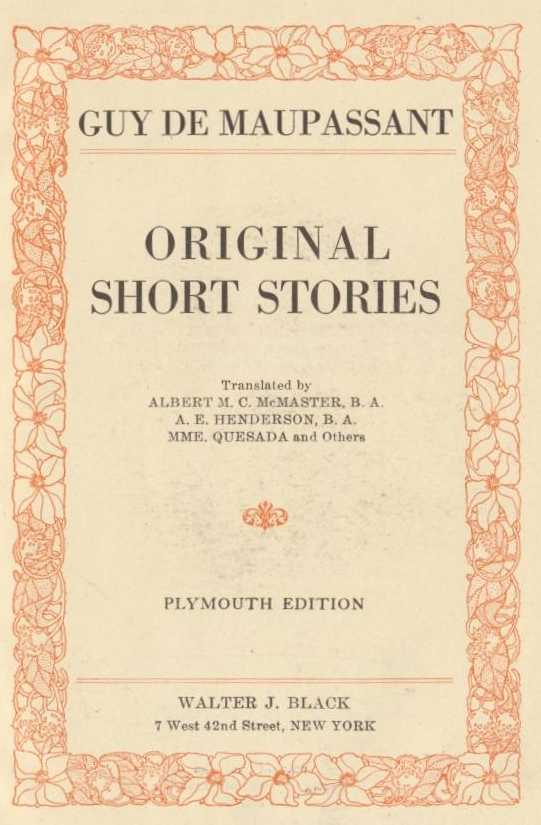
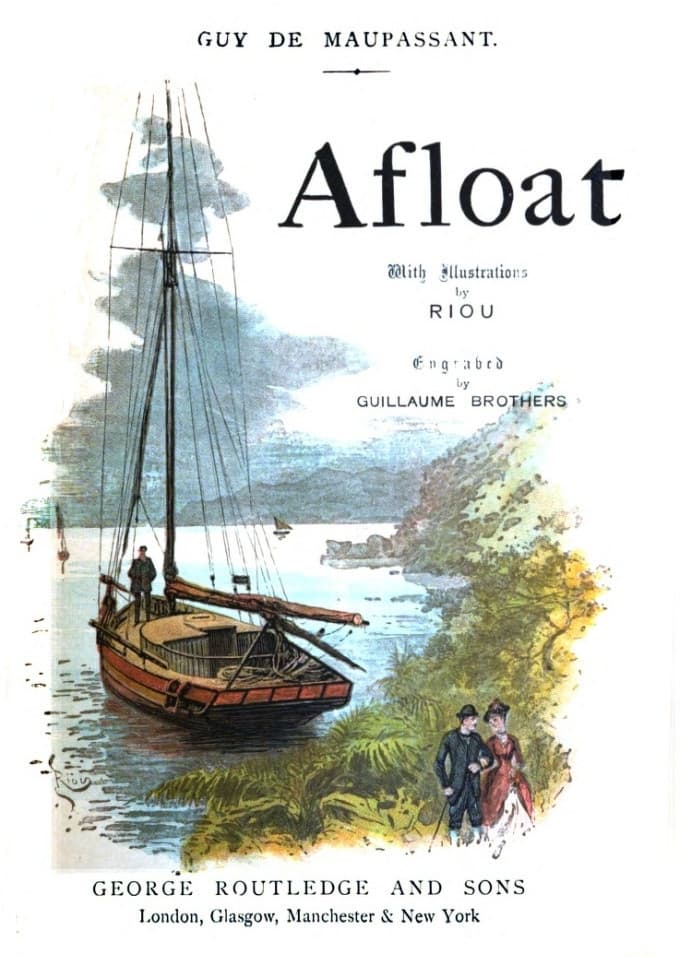

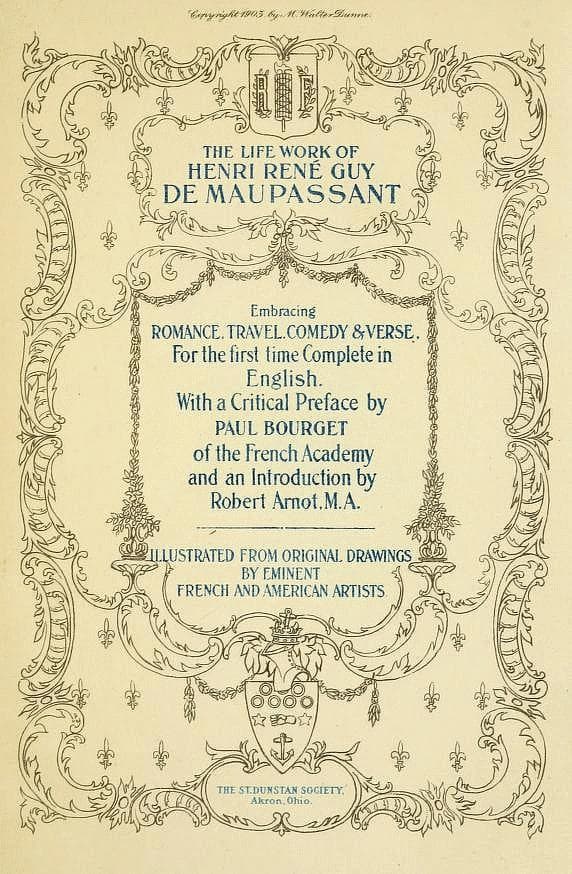































Link to this page
Add a free, dofollow link to Lex on your blog, forum, syllabus, or reading list.

<a href="https://lex-books.com/author/guy-de-maupassant"><img src="https://lex-books.com/badges/read-on-lex.svg" alt="Guy de Maupassant on Lex" width="160" height="40"></a>[](https://lex-books.com/author/guy-de-maupassant)[url=https://lex-books.com/author/guy-de-maupassant][img]https://lex-books.com/badges/read-on-lex.svg[/img][/url]Guy de Maupassant on Lex: https://lex-books.com/author/guy-de-maupassant