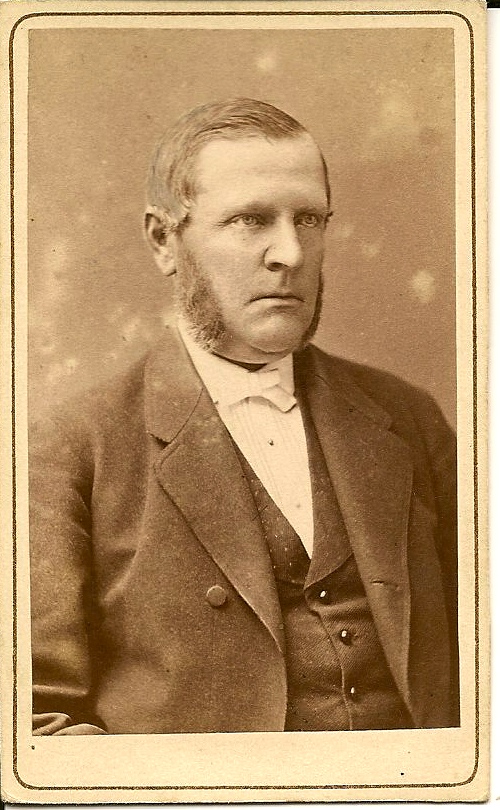
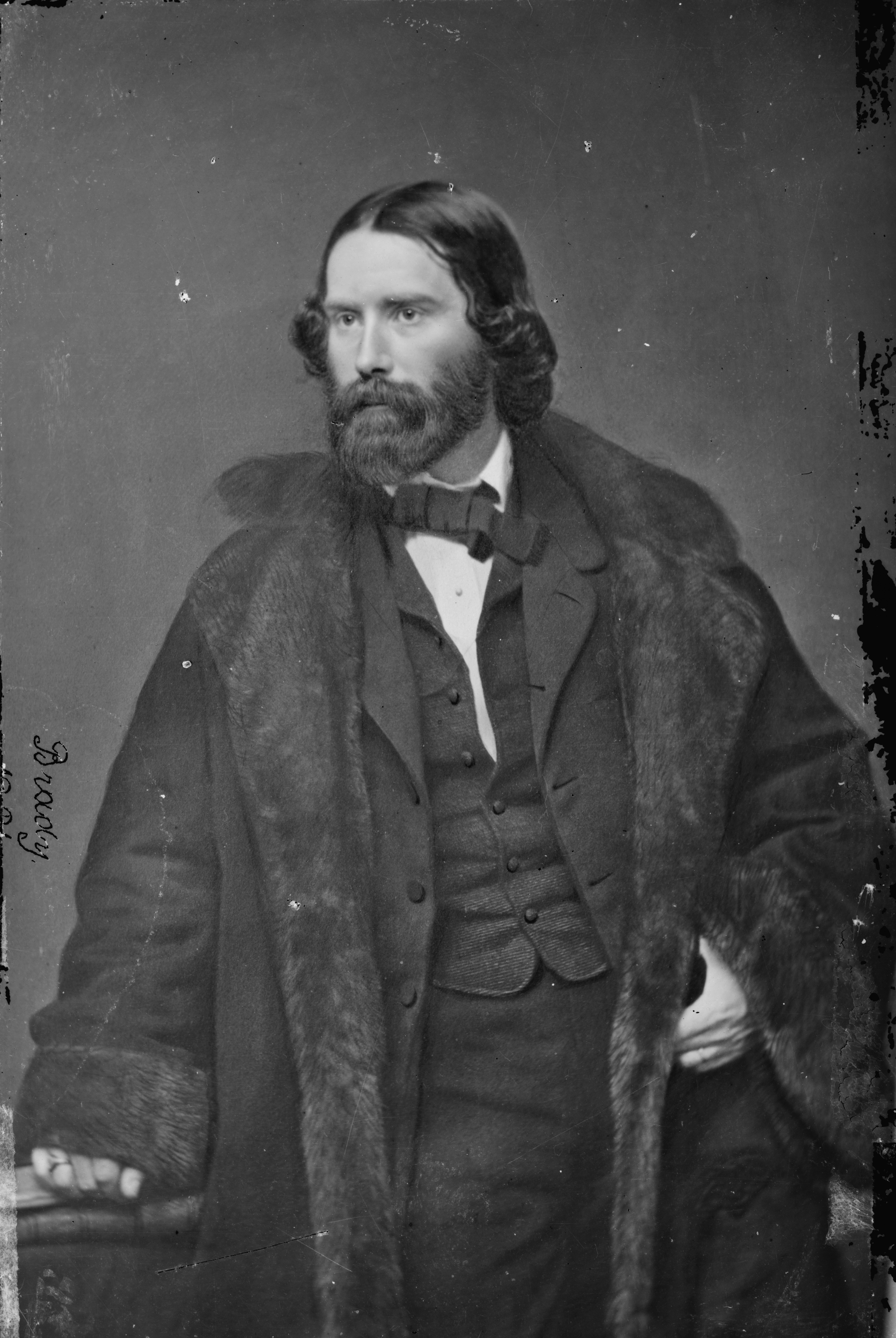
Juliusz Słowacki
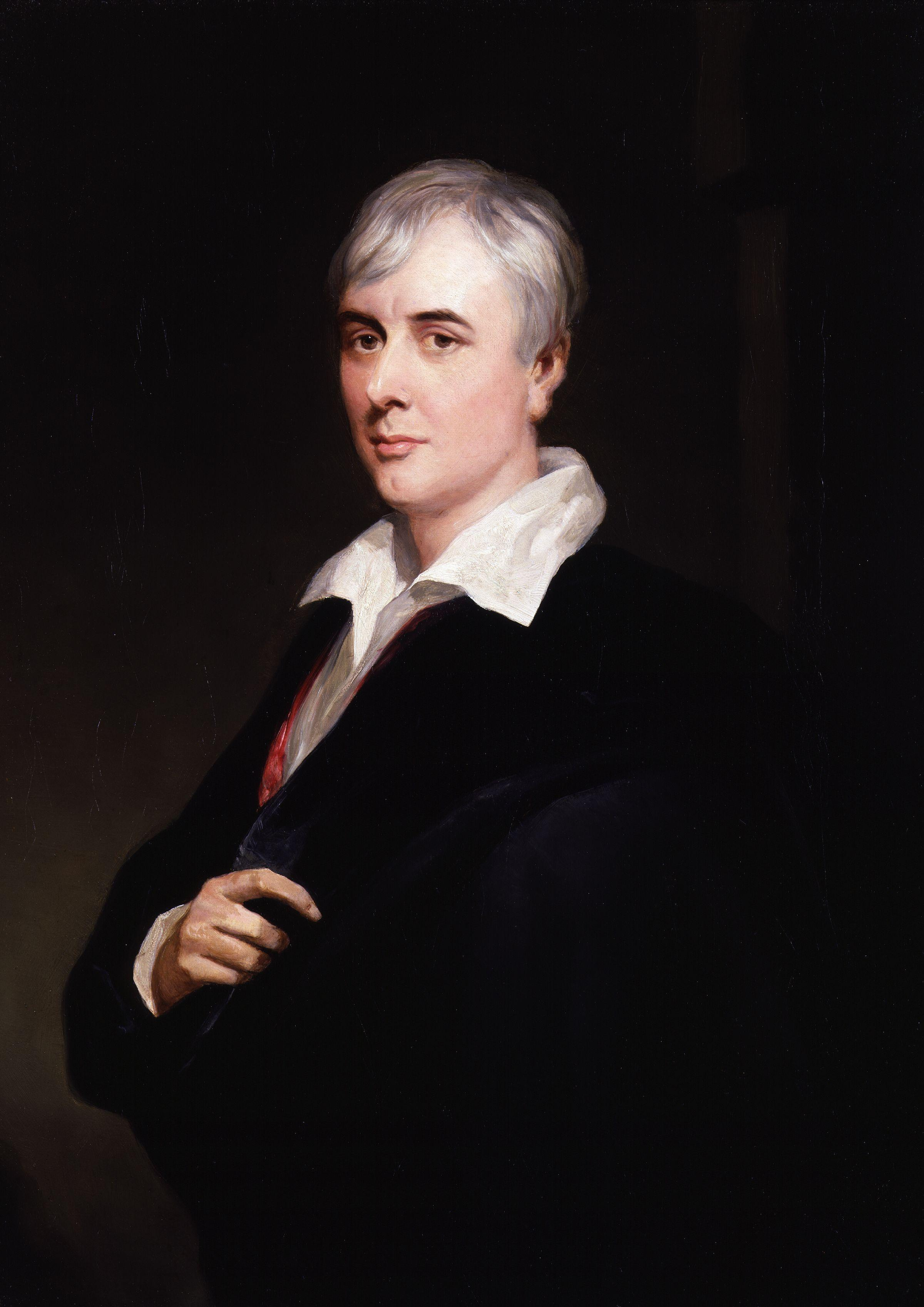
Juliusz Słowacki was a prominent Polish Romantic poet and playwright, known for his innovative contributions to Polish literature. Born in 1809 in the town of Krzemieniec, Słowacki was the son of a well-educated family, which fostered his literary talents from an early age. He studied law in Warsaw but soon turned his focus to writing, becoming a key figure in the Polish Romantic movement alongside Adam Mickiewicz. His works often explored themes of national identity, spirituality, and the human condition, reflecting the turbulent political landscape of Poland during his lifetime. Among Słowacki's most notable works are the dramatic poem "Kordian," which delves into the psyche of a young man grappling with existential dilemmas, and the epic poem "Beniowski," which showcases his mastery of narrative and lyrical expression. His writing is characterized by a rich use of symbolism and a deep emotional resonance, making him a precursor to modern Polish literature. Słowacki's influence extended beyond his lifetime, inspiring future generations of writers and artists. He is remembered as one of the greatest Polish poets, whose legacy continues to shape the cultural landscape of Poland and beyond.
Famous Quotes
View all 19 quotes“No time to grieve for roses when the forests are burning.””
“Duchowi memu dała w pysk i poszła.””
“Zamknięty jestem w kole czarów tajemniczym,Nie wyjdę z niego... Mogłem być czymś... będę niczym...””