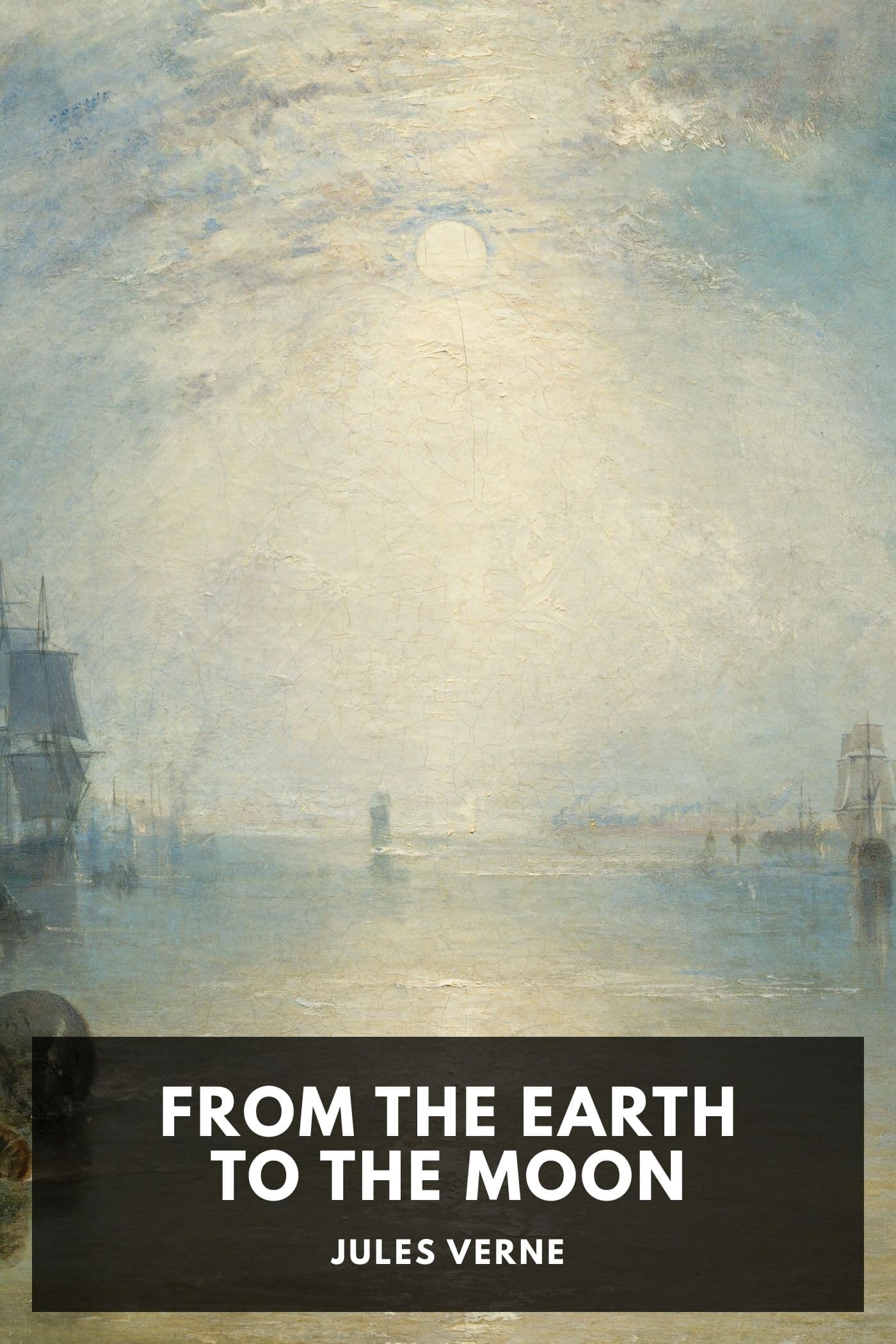
From the Earth to the Moon

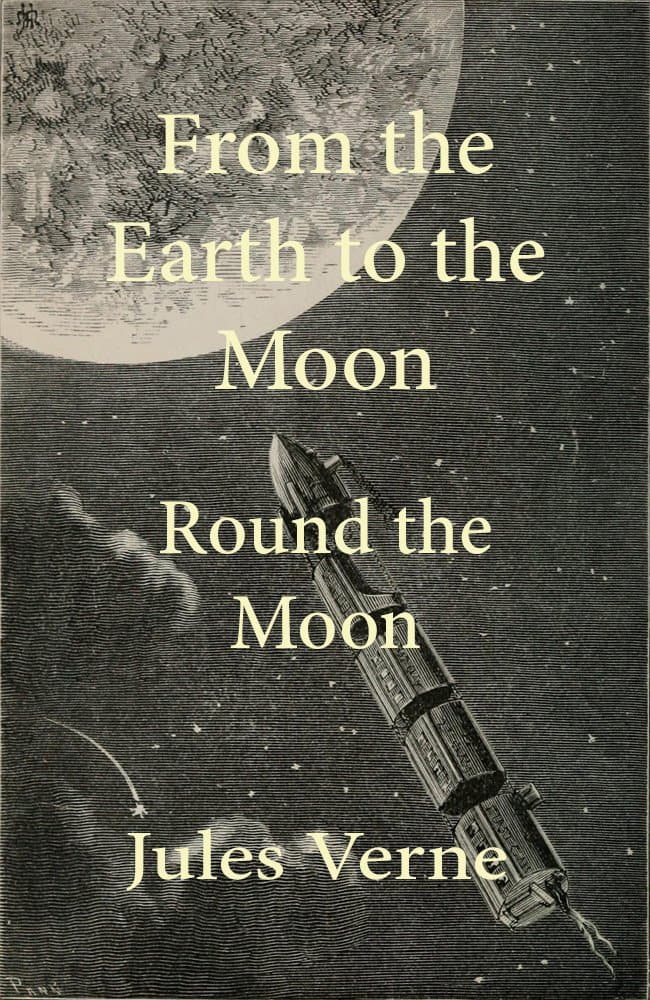
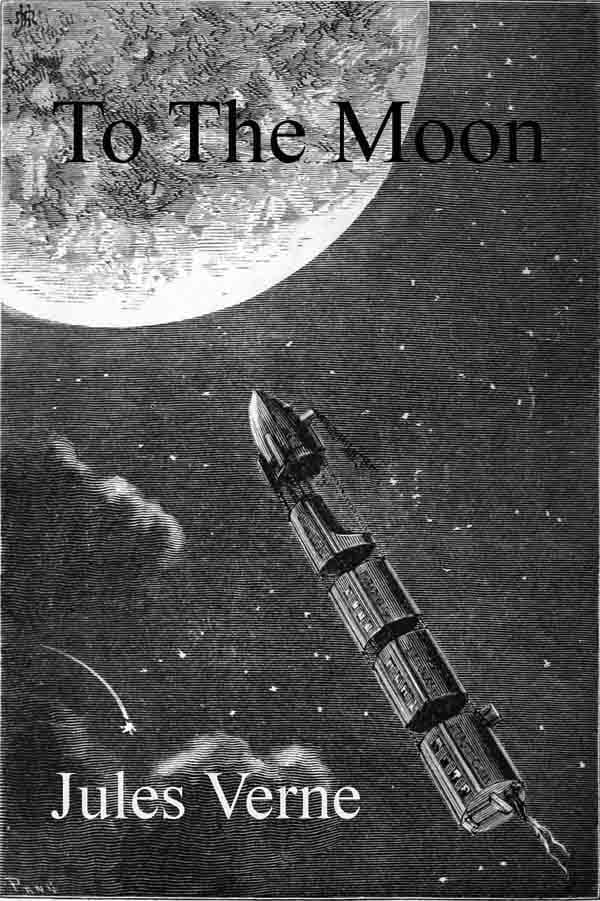
Before humanity had even conceived of the Wright Flyer, Jules Verne launched a trio of audacious adventurers to the moon. _From the Earth to the Moon_ chronicles the Baltimore Gun Club's ambitious post-Civil War project: to construct a colossal cannon capable of propelling a manned projectile skyward. Led by the visionary Impey Barbicane, his rival-turned-collaborator Captain Nicholl, and the eccentric French scientist Michel Ardan, the narrative meticulously details the engineering marvel required for such an endeavor, culminating in the historic launch of their hollow cannonball — and the promise of what lies beyond. Verne's prescient 1865 masterpiece isn't just a thrilling adventure; it's a foundational text of science fiction, blending meticulous scientific speculation with a rollicking, optimistic spirit of human ingenuity. It captures the very essence of exploration and the boundless potential of the human mind, predicting elements of space travel decades before they were even theoretical. This is a testament to the power of imagination, a thrilling blueprint for the future that still sparks wonder and awe today.
Editions

Link to this book
Add a free, dofollow link to Lex on your blog, forum, syllabus, or reading list.

<a href="https://lex-books.com/book/from-the-earth-to-the-moon-3e801106-2821-49d8-be08-0b05c587d713"><img src="https://lex-books.com/badges/read-on-lex.svg" alt="Read From the Earth to the Moon by Jules Verne free on Lex" width="160" height="40"></a>[](https://lex-books.com/book/from-the-earth-to-the-moon-3e801106-2821-49d8-be08-0b05c587d713)[url=https://lex-books.com/book/from-the-earth-to-the-moon-3e801106-2821-49d8-be08-0b05c587d713][img]https://lex-books.com/badges/read-on-lex.svg[/img][/url]Read From the Earth to the Moon by Jules Verne free on Lex: https://lex-books.com/book/from-the-earth-to-the-moon-3e801106-2821-49d8-be08-0b05c587d713Cite this book
Reading this edition for a paper or guide? Copy a citation.
Verne, Jules. From the Earth to the Moon. Lex, lex-books.com/book/from-the-earth-to-the-moon-3e801106-2821-49d8-be08-0b05c587d713.Verne, J. (n.d.). From the Earth to the Moon. Lex. https://lex-books.com/book/from-the-earth-to-the-moon-3e801106-2821-49d8-be08-0b05c587d713Verne, Jules. From the Earth to the Moon. Lex. https://lex-books.com/book/from-the-earth-to-the-moon-3e801106-2821-49d8-be08-0b05c587d713.