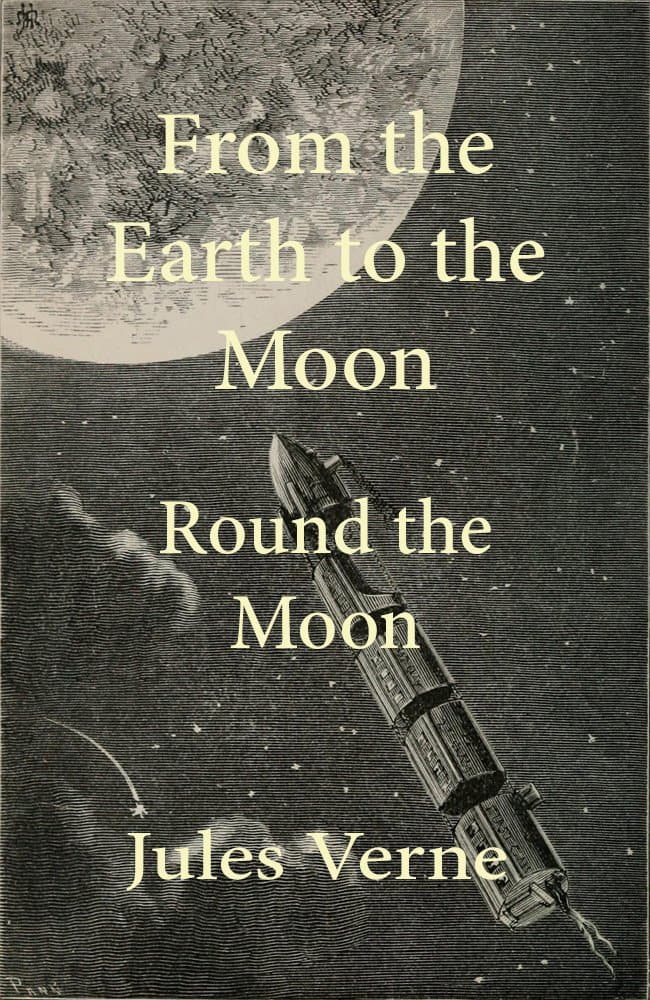
From the Earth to the Moon, Direct in Ninety-Seven Hours and Twenty Minutes: And a Trip Round It
1865
From the Earth to the Moon, Direct in Ninety-Seven Hours and Twenty Minutes: And a Trip Round It
1865
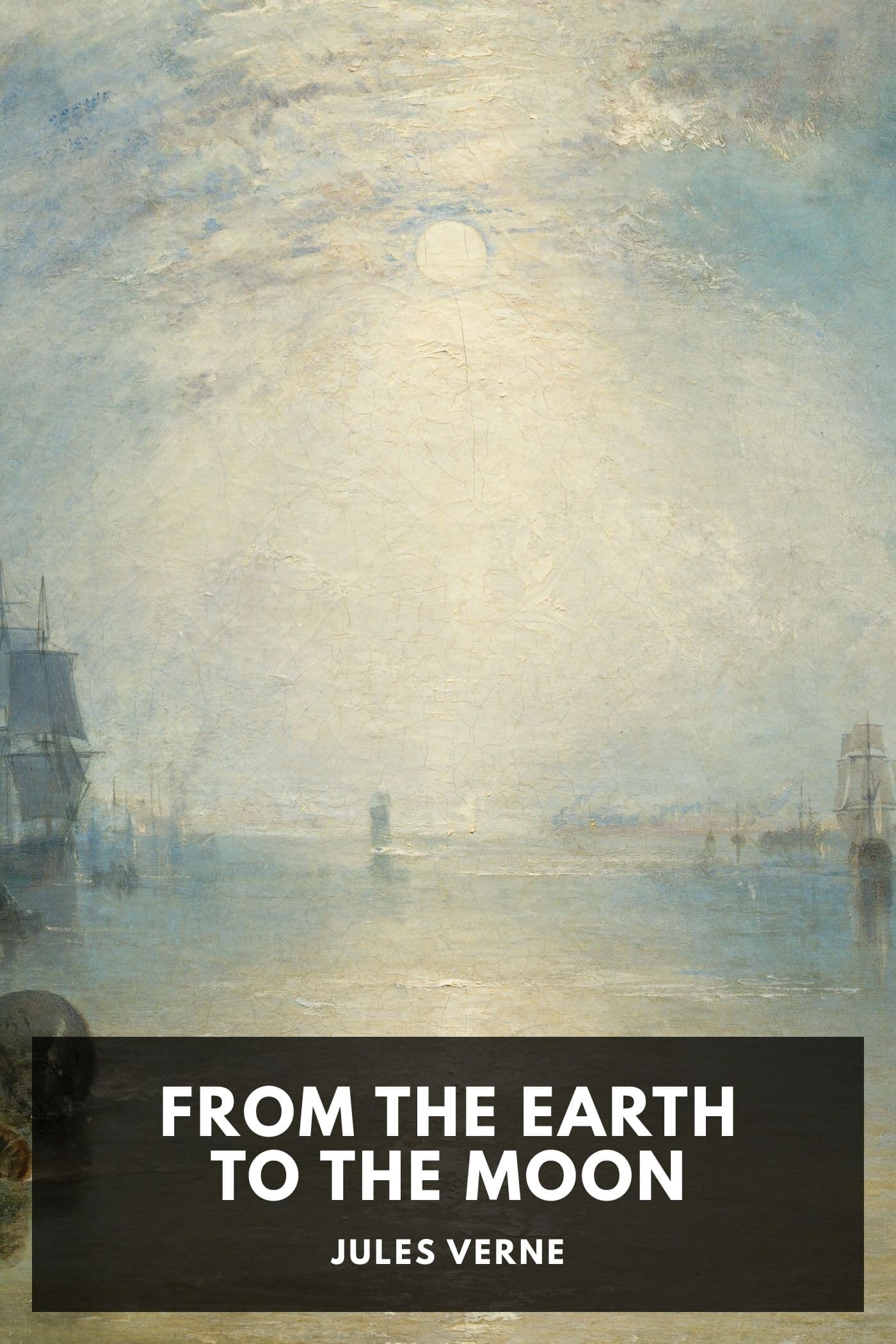
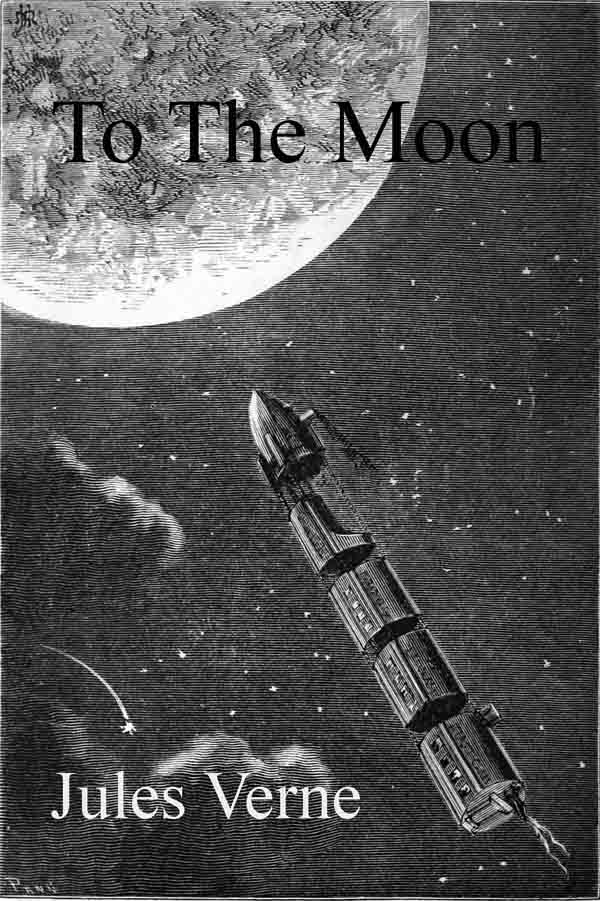
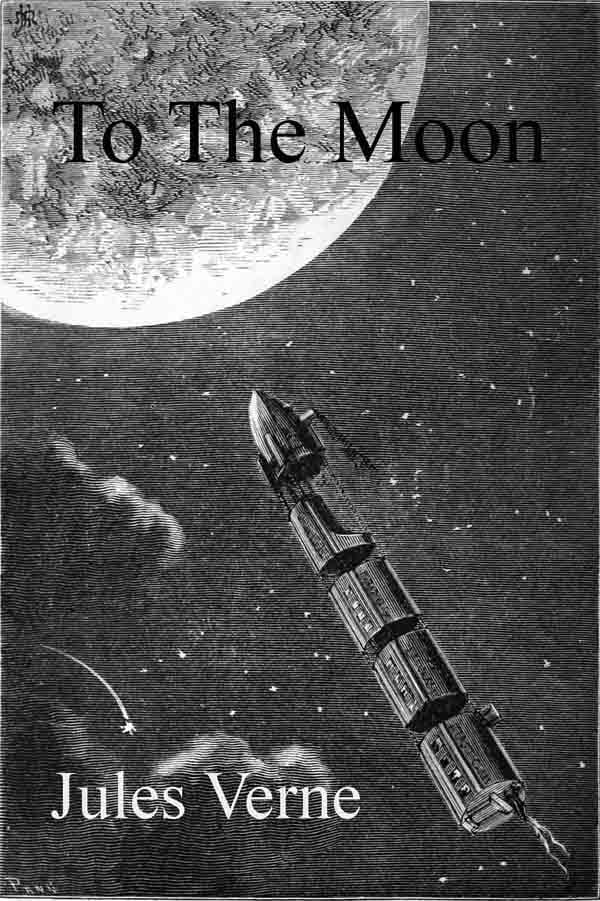
In 1865, Jules Verne imagined shooting three men to the moon in a projectile. He got the math wrong, but he got almost everything else startlingly right. The Baltimore Gun Club, Civil War artillery veterans with nothing left to bomb, decide to fire a capsule at the moon instead. What follows is part engineering fever dream, part national sideshow, and part inadvertent prophecy. Verne foreshadowed capsule design, weightlessness, splashdown landings, and the public spectacle of space travel with eerie precision. But the real joy lies in watching these Americans convince themselves that enough gunpowder can overcome the fundamental indifference of the cosmos. The novel crackles with Verne's mischievous awareness that he's chronicling a magnificent absurdity: a group of men so restless and confident they'll fire themselves at the moon simply because they can. It endures because it captures something essential about human ambition, we're not just curious about what's out there, we want to shoot ourselves toward it.
Editions

X-Ray
“How many things have been denied one day, only to become realities the next!””
— Jules Verne
“Well, I feel that we should always put a little art into what we do. It's better that way.””
— Jules Verne
“It is better for us to see the destination we wish to reach, than the point of departure””
— Jules Verne
“La distance est un vain mot, la distance n'existe pas!””
— Jules Verne
“Réfléchi! Est-ce que j’ai du temps à perdre? Je trouve l’occasion d’aller faire un tour dans la Lune, j’en profite, et voilà tout. Il me semble que cela ne mérite pas tant de réflexions.””
— Jules Verne
“Cheers for Edgar Poe!””
— Jules Verne
“Distance is but a relative expression, and must end by being reduced to zero.””
— Jules Verne
“What human being would ever have conceived the idea of such a journey? and, if such a person really existed, he must be an idiot, whom one would shut up in a lunatic ward, rather than within the walls of the projectile.””
— Jules Verne
“Vete al comedor, da una vuelta alrededor de la mesa mirado siempre su centro, y cuando hayas concluido el paseo circular, habrás dado una vuelta alrededor de ti mismo, puesto que la vista habrá recorrido todos los puntos del comedor. Pues bien, el comedor es el Cielo, la mesa es la Tierra y tú eres la Luna.””
— Jules Verne
Link to this book
Add a free, dofollow link to Lex on your blog, forum, syllabus, or reading list.

<a href="https://lex-books.com/book/from-the-earth-to-the-moon-direct-in-ninety-seven-hours-and-twenty-minutes-and-a-4e25e8f0-dbf9-4f8a-a77b-3f44ec1595b4"><img src="https://lex-books.com/badges/read-on-lex.svg" alt="Read From the Earth to the Moon, Direct in Ninety-Seven Hours and Twenty Minutes: And a Trip Round It by Jules Verne free on Lex" width="160" height="40"></a>[](https://lex-books.com/book/from-the-earth-to-the-moon-direct-in-ninety-seven-hours-and-twenty-minutes-and-a-4e25e8f0-dbf9-4f8a-a77b-3f44ec1595b4)[url=https://lex-books.com/book/from-the-earth-to-the-moon-direct-in-ninety-seven-hours-and-twenty-minutes-and-a-4e25e8f0-dbf9-4f8a-a77b-3f44ec1595b4][img]https://lex-books.com/badges/read-on-lex.svg[/img][/url]Read From the Earth to the Moon, Direct in Ninety-Seven Hours and Twenty Minutes: And a Trip Round It by Jules Verne free on Lex: https://lex-books.com/book/from-the-earth-to-the-moon-direct-in-ninety-seven-hours-and-twenty-minutes-and-a-4e25e8f0-dbf9-4f8a-a77b-3f44ec1595b4Cite this book
Reading this edition for a paper or guide? Copy a citation.
Verne, Jules. From the Earth to the Moon, Direct in Ninety-Seven Hours and Twenty Minutes: And a Trip Round It. Lex, lex-books.com/book/from-the-earth-to-the-moon-direct-in-ninety-seven-hours-and-twenty-minutes-and-a-4e25e8f0-dbf9-4f8a-a77b-3f44ec1595b4.Verne, J. (1865). From the Earth to the Moon, Direct in Ninety-Seven Hours and Twenty Minutes: And a Trip Round It. Lex. https://lex-books.com/book/from-the-earth-to-the-moon-direct-in-ninety-seven-hours-and-twenty-minutes-and-a-4e25e8f0-dbf9-4f8a-a77b-3f44ec1595b4Verne, Jules. From the Earth to the Moon, Direct in Ninety-Seven Hours and Twenty Minutes: And a Trip Round It. Lex. https://lex-books.com/book/from-the-earth-to-the-moon-direct-in-ninety-seven-hours-and-twenty-minutes-and-a-4e25e8f0-dbf9-4f8a-a77b-3f44ec1595b4.