Critical Miscellanies (vol. 3 of 3), Essay 1: On Popular Culture
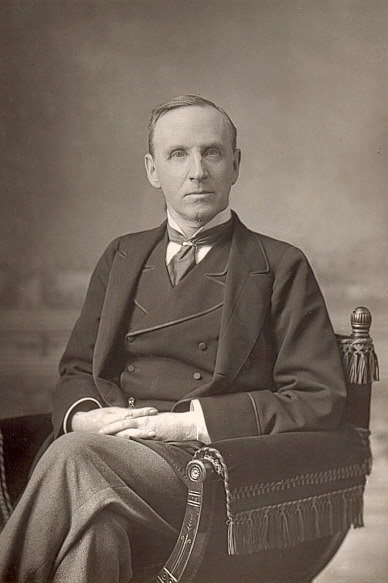
John Morley, the statesman and philosopher who would later win the Nobel Peace Prize, delivered this address at Birmingham's town hall in 1876, and what he had to say about who gets to participate in intellectual life remains startlingly relevant. With the passion of a man who believed culture belonged to everyone, not just the privileged few, Morley argues that popular education must escape the straitjacket of narrow utilitarianism. He champions history and languages, particularly French, as gateways to broader human understanding, and defends provincial cities like Birmingham as vital centers where cultural life can flourish beyond London's shadow. This is Victorian cultural criticism at its most engaged: not a dusty polemic but a fierce argument about what a society owes its citizens and what those citizens owe to their own minds. For anyone curious about where our modern debates about education, class, and cultural access really began, Morley offers a window into the anxieties and aspirations that shaped them.
Editions
Link to this book
Add a free, dofollow link to Lex on your blog, forum, syllabus, or reading list.

<a href="https://lex-books.com/book/critical-miscellanies-vol-3-of-3-essay-1-on-popular-culture-131eb861-4014-48d8-9e68-a4f3487437a2"><img src="https://lex-books.com/badges/read-on-lex.svg" alt="Read Critical Miscellanies (vol. 3 of 3), Essay 1: On Popular Culture by John Morley free on Lex" width="160" height="40"></a>[](https://lex-books.com/book/critical-miscellanies-vol-3-of-3-essay-1-on-popular-culture-131eb861-4014-48d8-9e68-a4f3487437a2)[url=https://lex-books.com/book/critical-miscellanies-vol-3-of-3-essay-1-on-popular-culture-131eb861-4014-48d8-9e68-a4f3487437a2][img]https://lex-books.com/badges/read-on-lex.svg[/img][/url]Read Critical Miscellanies (vol. 3 of 3), Essay 1: On Popular Culture by John Morley free on Lex: https://lex-books.com/book/critical-miscellanies-vol-3-of-3-essay-1-on-popular-culture-131eb861-4014-48d8-9e68-a4f3487437a2Cite this book
Reading this edition for a paper or guide? Copy a citation.
Morley, John. Critical Miscellanies (vol. 3 of 3), Essay 1: On Popular Culture. Lex, lex-books.com/book/critical-miscellanies-vol-3-of-3-essay-1-on-popular-culture-131eb861-4014-48d8-9e68-a4f3487437a2.Morley, J. (n.d.). Critical Miscellanies (vol. 3 of 3), Essay 1: On Popular Culture. Lex. https://lex-books.com/book/critical-miscellanies-vol-3-of-3-essay-1-on-popular-culture-131eb861-4014-48d8-9e68-a4f3487437a2Morley, John. Critical Miscellanies (vol. 3 of 3), Essay 1: On Popular Culture. Lex. https://lex-books.com/book/critical-miscellanies-vol-3-of-3-essay-1-on-popular-culture-131eb861-4014-48d8-9e68-a4f3487437a2.