
John Locke
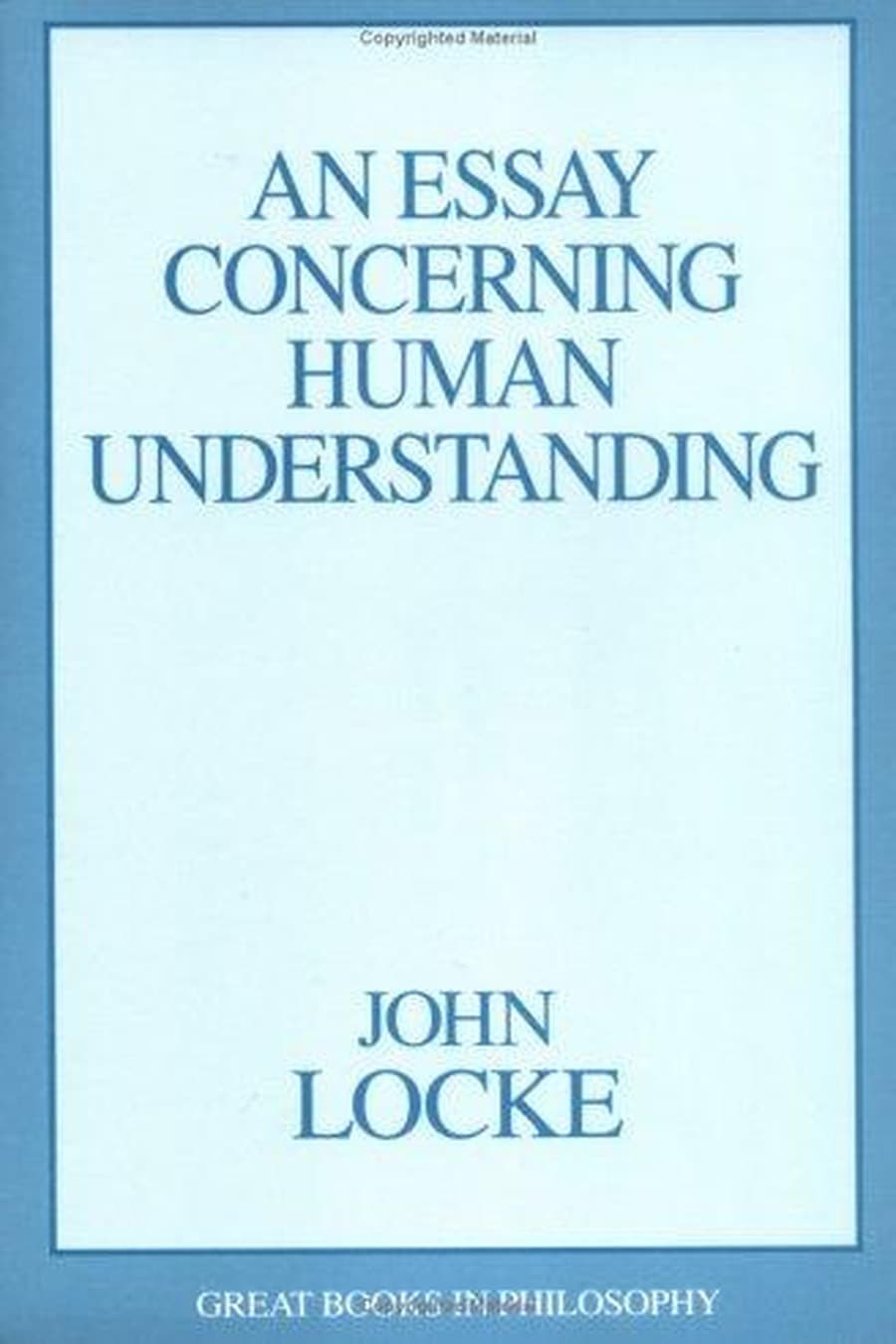
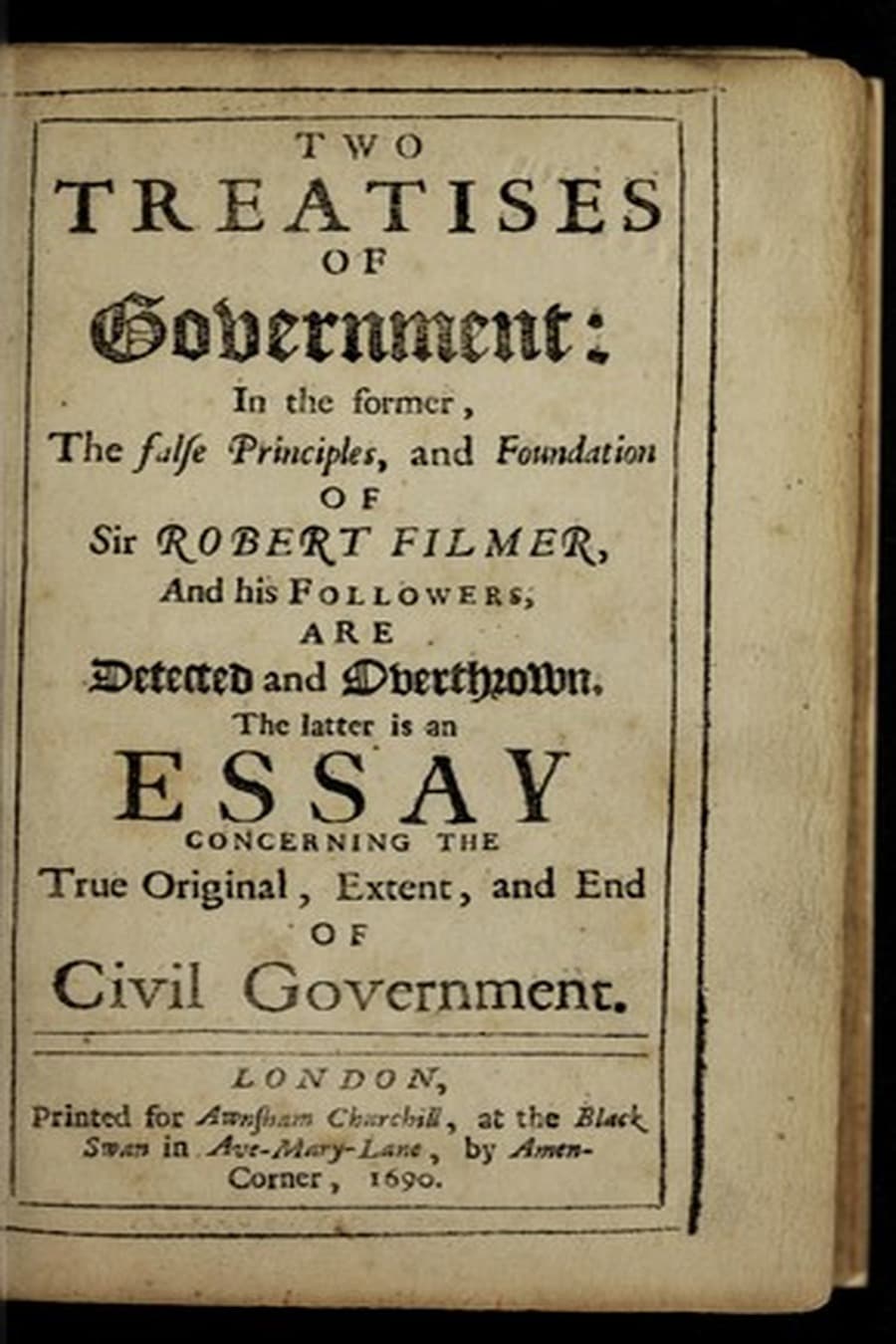
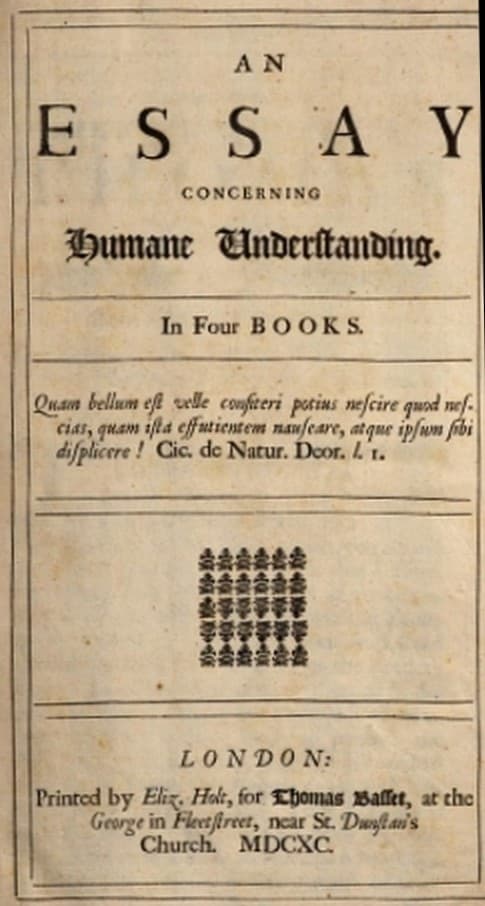
John Locke was an English philosopher and physician, recognized as a pivotal figure of the Enlightenment and often referred to as the 'father of liberalism.' His philosophical contributions laid the groundwork for modern political thought, particularly through his theories on social contract and individual rights. Locke's seminal works, including 'Two Treatises of Government' and 'An Essay Concerning Human Understanding,' challenged prevailing notions of governance and knowledge, arguing for the protection of natural rights and the idea that the mind is a 'tabula rasa'—a blank slate shaped by experience rather than innate ideas. This empiricist approach marked a significant departure from Cartesian philosophy and influenced a wide range of thinkers, including Voltaire and Rousseau. Locke's impact extended beyond philosophy into the realms of political theory and personal identity. His ideas on property rights, asserting that individuals have a natural right to ownership through their labor, contributed to the development of classical republicanism and liberal theory. His thoughts on governance inspired the American Revolution and are reflected in foundational documents like the United States Declaration of Independence. Locke's legacy endures in contemporary discussions of democracy, individual freedoms, and the rule of law, solidifying his status as a cornerstone of modern liberal thought.
Famous Quotes
View all 15 quotes“Reading furnishes the mind only with materials of knowledge; it is thinking that makes what we read ours.””
“I have always thought the actions of men the best interpreters of their thoughts.””
“New opinions are always suspected, and usually opposed, without any other reason but because they are not common.””
Books from the author


Link to this page
Add a free, dofollow link to Lex on your blog, forum, syllabus, or reading list.

<a href="https://lex-books.com/author/john-locke"><img src="https://lex-books.com/badges/read-on-lex.svg" alt="John Locke on Lex" width="160" height="40"></a>[](https://lex-books.com/author/john-locke)[url=https://lex-books.com/author/john-locke][img]https://lex-books.com/badges/read-on-lex.svg[/img][/url]John Locke on Lex: https://lex-books.com/author/john-locke