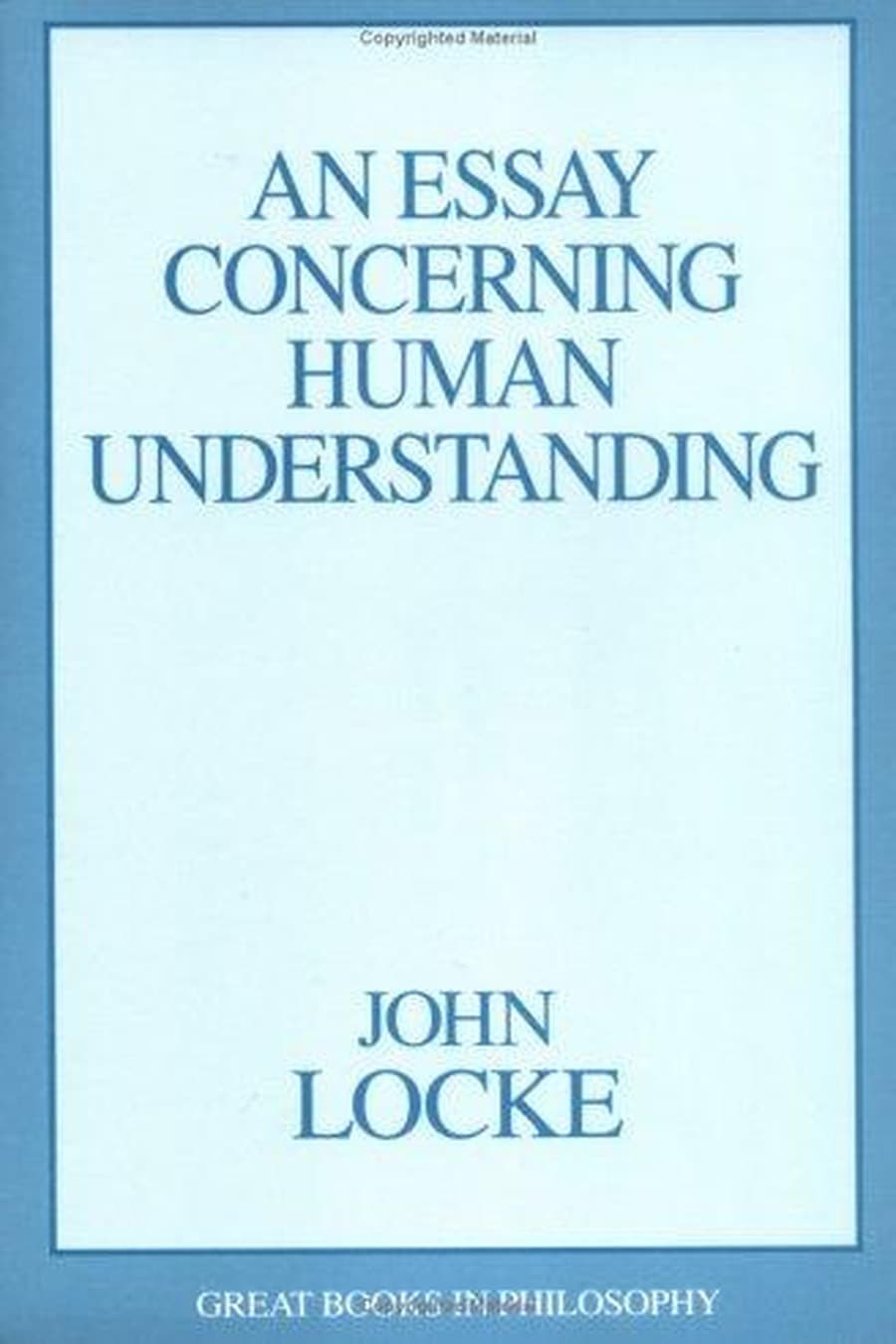
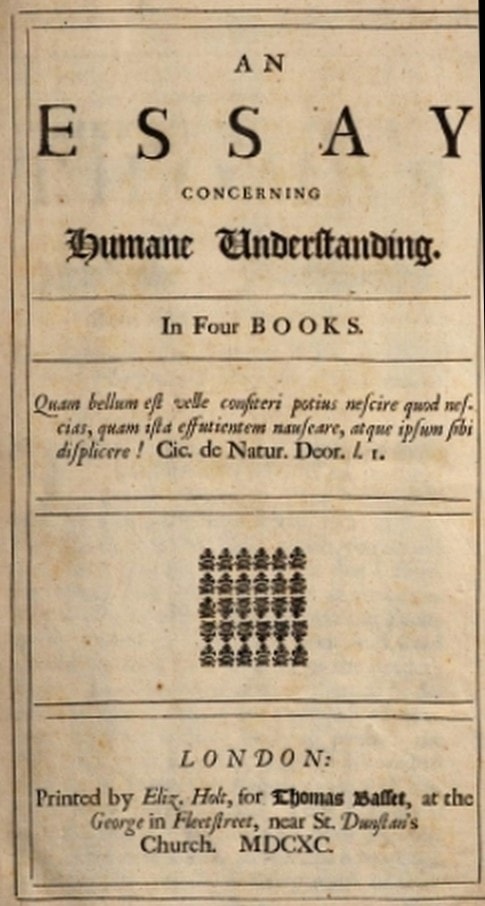
An Essay Concerning Humane Understanding, Volume 1: MDCXC, Based on the 2nd Edition, Books 1 and 2
1690
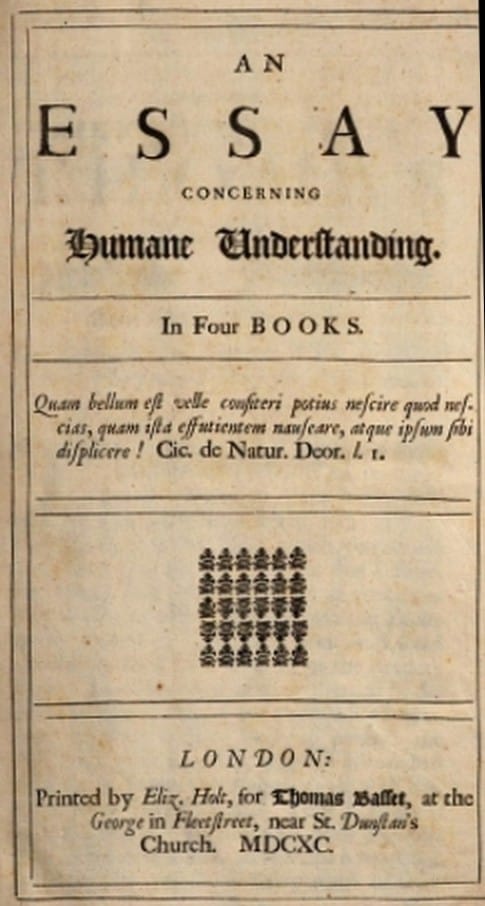
An Essay Concerning Humane Understanding, Volume 1: MDCXC, Based on the 2nd Edition, Books 1 and 2
1690
Before Locke, the wise agreed: the mind arrives pre-stocked with certain truths, mathematical and moral, planted by nature or God. Locke explodes this comfortable assumption. The mind at birth is blank parchment, he argues, and every idea we ever possess traces back to one source: experience, either through the senses or reflection on what the senses deliver. This radical 'tabula rasa' shattered centuries of philosophical certainty and ignited debates that still burn. In these opening books, Locke methodically dismantles the case for innate principles, then builds his alternative: an empirical account of how simple ideas combine into complex ones, how words come to represent thoughts, and where knowledge ends and mere opinion begins. Fraser’s extensive marginal analyses guide readers through Locke's dense, quixotic reasoning, making this the most accessible edition of a text that fundamentally changed how we understand human consciousness. This is where modern psychology, political theory, and the philosophy of mind begin.
Editions
X-Ray
“What worries you masters you.””
— John Locke
“men’s actions are the best guides to their thoughts””
— John Locke
Link to this book
Add a free, dofollow link to Lex on your blog, forum, syllabus, or reading list.

<a href="https://lex-books.com/book/an-essay-concerning-humane-understanding-volume-1-mdcxc-based-on-the-2nd-edition-e2af9cfc-e774-454e-887c-4575248c4ced"><img src="https://lex-books.com/badges/read-on-lex.svg" alt="Read An Essay Concerning Humane Understanding, Volume 1: MDCXC, Based on the 2nd Edition, Books 1 and 2 by John Locke free on Lex" width="160" height="40"></a>[](https://lex-books.com/book/an-essay-concerning-humane-understanding-volume-1-mdcxc-based-on-the-2nd-edition-e2af9cfc-e774-454e-887c-4575248c4ced)[url=https://lex-books.com/book/an-essay-concerning-humane-understanding-volume-1-mdcxc-based-on-the-2nd-edition-e2af9cfc-e774-454e-887c-4575248c4ced][img]https://lex-books.com/badges/read-on-lex.svg[/img][/url]Read An Essay Concerning Humane Understanding, Volume 1: MDCXC, Based on the 2nd Edition, Books 1 and 2 by John Locke free on Lex: https://lex-books.com/book/an-essay-concerning-humane-understanding-volume-1-mdcxc-based-on-the-2nd-edition-e2af9cfc-e774-454e-887c-4575248c4cedCite this book
Reading this edition for a paper or guide? Copy a citation.
Locke, John. An Essay Concerning Humane Understanding, Volume 1: MDCXC, Based on the 2nd Edition, Books 1 and 2. Lex, lex-books.com/book/an-essay-concerning-humane-understanding-volume-1-mdcxc-based-on-the-2nd-edition-e2af9cfc-e774-454e-887c-4575248c4ced.Locke, J. (1690). An Essay Concerning Humane Understanding, Volume 1: MDCXC, Based on the 2nd Edition, Books 1 and 2. Lex. https://lex-books.com/book/an-essay-concerning-humane-understanding-volume-1-mdcxc-based-on-the-2nd-edition-e2af9cfc-e774-454e-887c-4575248c4cedLocke, John. An Essay Concerning Humane Understanding, Volume 1: MDCXC, Based on the 2nd Edition, Books 1 and 2. Lex. https://lex-books.com/book/an-essay-concerning-humane-understanding-volume-1-mdcxc-based-on-the-2nd-edition-e2af9cfc-e774-454e-887c-4575248c4ced.