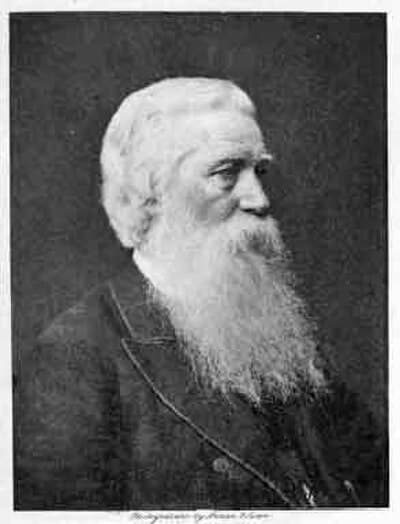
John Gibson Paton
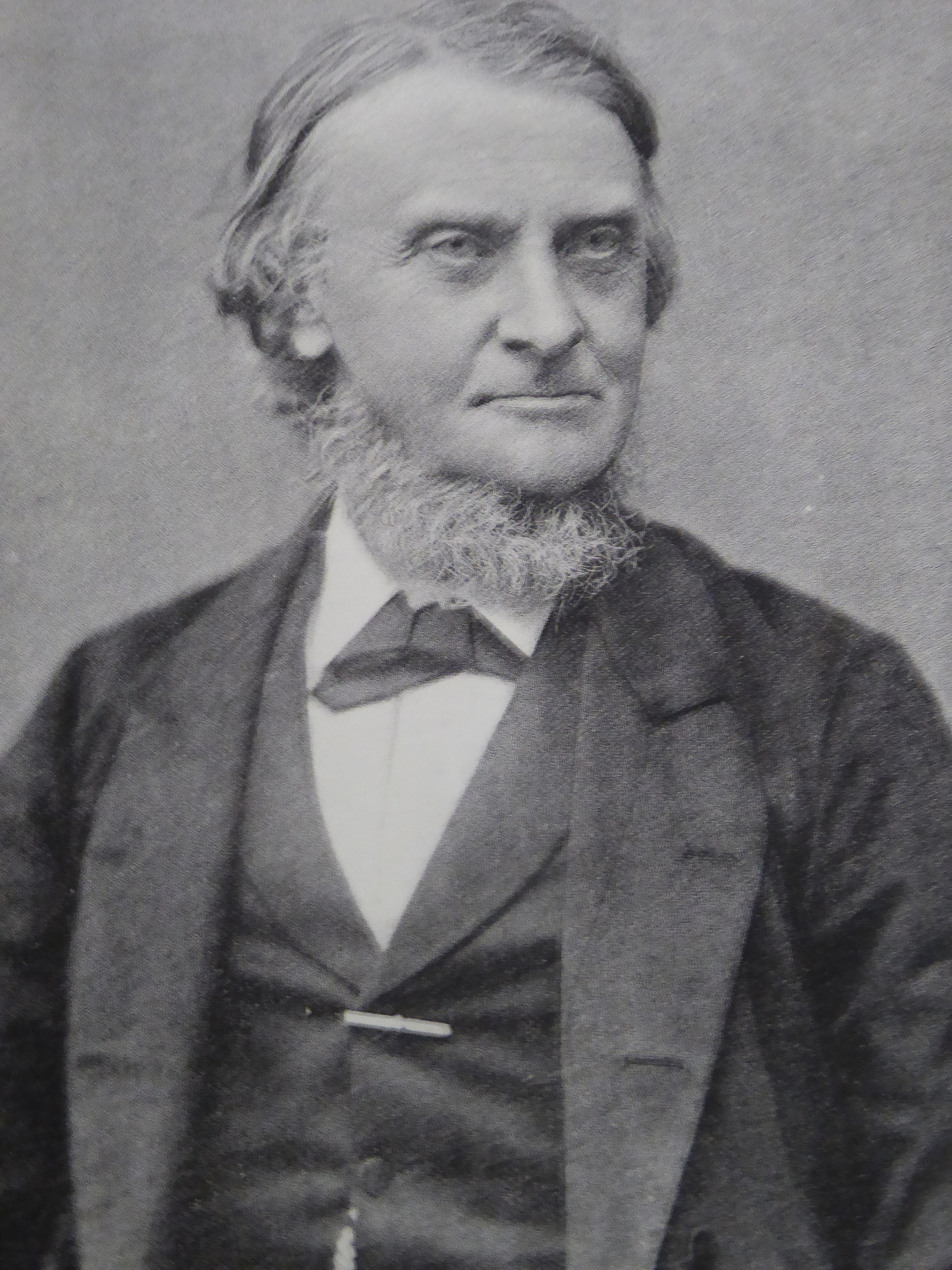
John Gibson Paton was a Scottish Protestant missionary renowned for his transformative work in the New Hebrides Islands of the South Pacific. Arriving in the islands during a time of significant cultural upheaval, he dedicated his life to educating the indigenous people and spreading Christianity. Paton not only preached but also initiated small industries, such as hat making, to provide sustainable livelihoods for the natives. His commitment to social justice was evident in his vigorous opposition to 'Blackbirding,' a form of slavery that involved the abduction of islanders for labor in New Zealand and beyond. Paton's efforts to protect the rights and dignity of the local population were a hallmark of his mission. Despite facing numerous challenges, including hostile encounters and the loss of loved ones, Paton remained steadfast in his mission, raising a family and garnering support in Scotland for his work. He also campaigned for the British annexation of the New Hebrides, believing that formal governance would better protect the islanders. In addition to his missionary work, Paton was a gifted writer, sharing his experiences and insights through his publications, which continue to inspire future generations of missionaries and advocates for social justice. His legacy endures as a testament to the impact of dedicated service and the pursuit of justice in the face of adversity.
Famous Quotes
View all 2 quotes“Thither daily, and oftentimes a day, generally after each meal, we saw our father retire, and "shut to the door"; and we children got to understand by a sort of spiritual instinct (for the thing was too sacred to be talked about) that prayers were being poured out there for us, as of old by the High Priest within the veil in the Most Holy Place. We occasionally heard the pathetic echoes of a trembling voice pleading as if for life, and we learned to slip out and in past that door on tiptoe, not to disturb the holy colloquy.””
“Beautiful was it to mark how the poorest began to improve in personal appearance immediately after they came to our Class; how they gradually got shoes and one bit of clothing after another, to enable them to attend our other Meetings, and then to go to Church; and, above all, how eagerly they sought to bring others with them, taking a deep personal interest in all the work of the Mission. Long after they themselves could appear in excellent dress, many of them still continued to attend in their working clothes, and to bring other and poorer girls with them to that Morning Class, and thereby helped to improve and elevate their companions. My delight in that Bible Class was among the purest joys in all my life, and the results were amongst the most certain and precious of all my Ministry.””
Books from the author



Link to this page
Add a free, dofollow link to Lex on your blog, forum, syllabus, or reading list.

<a href="https://lex-books.com/author/john-gibson-paton"><img src="https://lex-books.com/badges/read-on-lex.svg" alt="John Gibson Paton on Lex" width="160" height="40"></a>[](https://lex-books.com/author/john-gibson-paton)[url=https://lex-books.com/author/john-gibson-paton][img]https://lex-books.com/badges/read-on-lex.svg[/img][/url]John Gibson Paton on Lex: https://lex-books.com/author/john-gibson-paton