The Story of John G. Paton; Or, Thirty Years Among South Sea Cannibals
1923
The Story of John G. Paton; Or, Thirty Years Among South Sea Cannibals
1923
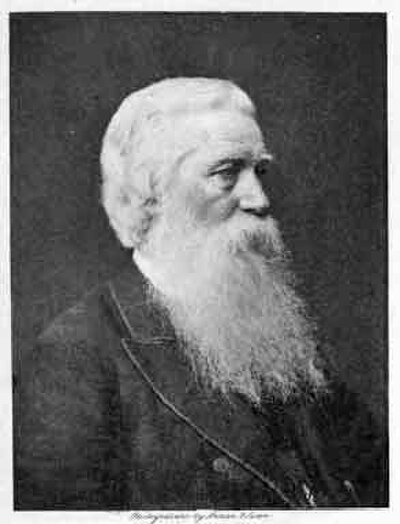
This is not a gentle faith. It is faith tested by death, by spear, by the knowledge that every sunrise might be your last. John G. Paton was twenty-two when he stepped onto the black sands of the New Hebrides in 1862, a place where European skulls still lined the paths to village ovens. Over thirty years among the islands of Vanuatu, he would be shot at, speared, chased through jungles, and watch fellow missionaries die brutal deaths around him. He would also translate the Bible into Nguna, establish schools, and win the trust of cannibals who became his friends. Part adventure narrative, part spiritual testament, this book crackles with raw particulars: the terror of midnight attacks, the loneliness of exile, the painstaking work of winning trust one meal at a time. Paton writes without sentimentality about his fears, his failures, and his stubborn conviction that love was worth dying for. It endures because it refuses to prettify what mission work actually was: dangerous, lonely, and dependent on grace more than bravery.
Editions
X-Ray
“as I had only once to die, I was content to leave the time and place and means in the hand of God””
— John Gibson Paton
“Beautiful was it to mark how the poorest began to improve in personal appearance immediately after they came to our Class; how they gradually got shoes and one bit of clothing after another, to enable them to attend our other Meetings, and then to go to Church; and, above all, how eagerly they sought to bring others with them, taking a deep personal interest in all the work of the Mission. Long after they themselves could appear in excellent dress, many of them still continued to attend in their working clothes, and to bring other and poorer girls with them to that Morning Class, and thereby helped to improve and elevate their companions. My delight in that Bible Class was among the purest joys in all my life, and the results were amongst the most certain and precious of all my Ministry.””
— John Gibson Paton
“Thither daily, and oftentimes a day, generally after each meal, we saw our father retire, and "shut to the door"; and we children got to understand by a sort of spiritual instinct (for the thing was too sacred to be talked about) that prayers were being poured out there for us, as of old by the High Priest within the veil in the Most Holy Place. We occasionally heard the pathetic echoes of a trembling voice pleading as if for life, and we learned to slip out and in past that door on tiptoe, not to disturb the holy colloquy.””
— John Gibson Paton
Link to this book
Add a free, dofollow link to Lex on your blog, forum, syllabus, or reading list.

<a href="https://lex-books.com/book/the-story-of-john-g-paton-or-thirty-years-among-south-sea-cannibals-57c0aacf-9b71-49af-9b22-978ac40e825f"><img src="https://lex-books.com/badges/read-on-lex.svg" alt="Read The Story of John G. Paton; Or, Thirty Years Among South Sea Cannibals by John Gibson Paton free on Lex" width="160" height="40"></a>[](https://lex-books.com/book/the-story-of-john-g-paton-or-thirty-years-among-south-sea-cannibals-57c0aacf-9b71-49af-9b22-978ac40e825f)[url=https://lex-books.com/book/the-story-of-john-g-paton-or-thirty-years-among-south-sea-cannibals-57c0aacf-9b71-49af-9b22-978ac40e825f][img]https://lex-books.com/badges/read-on-lex.svg[/img][/url]Read The Story of John G. Paton; Or, Thirty Years Among South Sea Cannibals by John Gibson Paton free on Lex: https://lex-books.com/book/the-story-of-john-g-paton-or-thirty-years-among-south-sea-cannibals-57c0aacf-9b71-49af-9b22-978ac40e825fCite this book
Reading this edition for a paper or guide? Copy a citation.
Paton, John Gibson. The Story of John G. Paton; Or, Thirty Years Among South Sea Cannibals. Lex, lex-books.com/book/the-story-of-john-g-paton-or-thirty-years-among-south-sea-cannibals-57c0aacf-9b71-49af-9b22-978ac40e825f.Paton, J. G. (1923). The Story of John G. Paton; Or, Thirty Years Among South Sea Cannibals. Lex. https://lex-books.com/book/the-story-of-john-g-paton-or-thirty-years-among-south-sea-cannibals-57c0aacf-9b71-49af-9b22-978ac40e825fPaton, John Gibson. The Story of John G. Paton; Or, Thirty Years Among South Sea Cannibals. Lex. https://lex-books.com/book/the-story-of-john-g-paton-or-thirty-years-among-south-sea-cannibals-57c0aacf-9b71-49af-9b22-978ac40e825f.