The Island Pharisees
1904
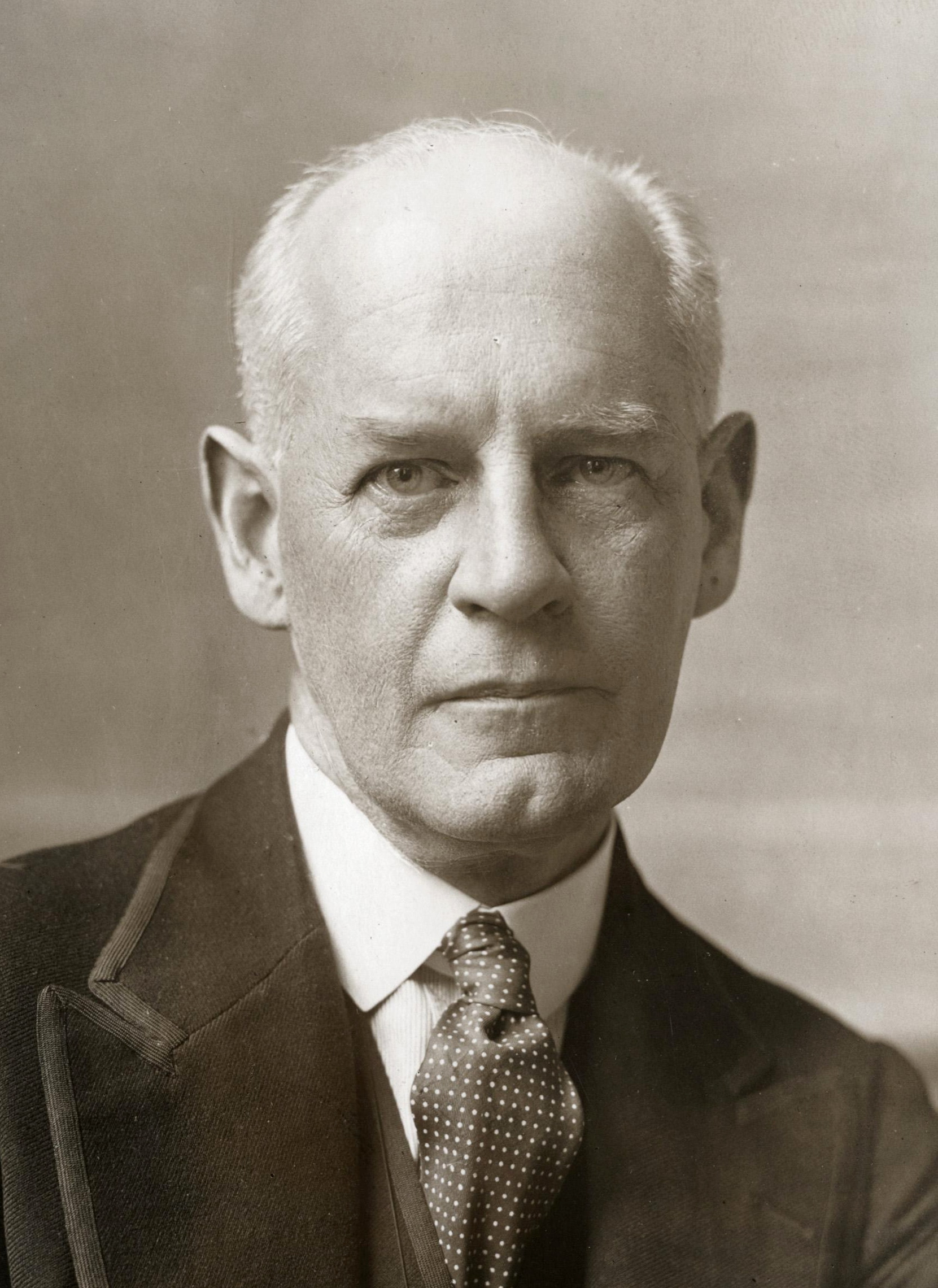
John Galsworthy, later Nobel laureate and author of The Forsyte Saga, delivered a razor-sharp satire of Edwardian England in this early novel. The story follows young Martin Shelton as he travels by train from Dover to London, a journey that becomes an acidic dissection of British moral pretension. When Shelton assists a penniless foreign girl by paying for her ticket, the other passengers react with scandalized disapproval rather than gratitude. This single act of simple decency exposes the hollowness beneath the surface of respectable society: these are people who would rather see a young woman stranded than tolerate a stranger's kindness disrupting their comfortable assumptions about proper behavior. Galsworthy uses this contained dramatic situation to launch a broader indictment of a class that mistakes convention for virtue and conformity for goodness. The novel illuminates how easily respectable people rationalize cruelty as principle, and how deeply the fear of social contamination governs their judgments. It remains remarkably sharp over a century later, a book that understands how hypocrisy wears its finest clothes.
Editions
Link to this book
Add a free, dofollow link to Lex on your blog, forum, syllabus, or reading list.

<a href="https://lex-books.com/book/the-island-pharisees-0aebb8f3-e868-44d7-bc46-5b1d156bb92f"><img src="https://lex-books.com/badges/read-on-lex.svg" alt="Read The Island Pharisees by John Galsworthy free on Lex" width="160" height="40"></a>[](https://lex-books.com/book/the-island-pharisees-0aebb8f3-e868-44d7-bc46-5b1d156bb92f)[url=https://lex-books.com/book/the-island-pharisees-0aebb8f3-e868-44d7-bc46-5b1d156bb92f][img]https://lex-books.com/badges/read-on-lex.svg[/img][/url]Read The Island Pharisees by John Galsworthy free on Lex: https://lex-books.com/book/the-island-pharisees-0aebb8f3-e868-44d7-bc46-5b1d156bb92fCite this book
Reading this edition for a paper or guide? Copy a citation.
Galsworthy, John. The Island Pharisees. Lex, lex-books.com/book/the-island-pharisees-0aebb8f3-e868-44d7-bc46-5b1d156bb92f.Galsworthy, J. (1904). The Island Pharisees. Lex. https://lex-books.com/book/the-island-pharisees-0aebb8f3-e868-44d7-bc46-5b1d156bb92fGalsworthy, John. The Island Pharisees. Lex. https://lex-books.com/book/the-island-pharisees-0aebb8f3-e868-44d7-bc46-5b1d156bb92f.