The Foundations (an Extravagant Play)
1920
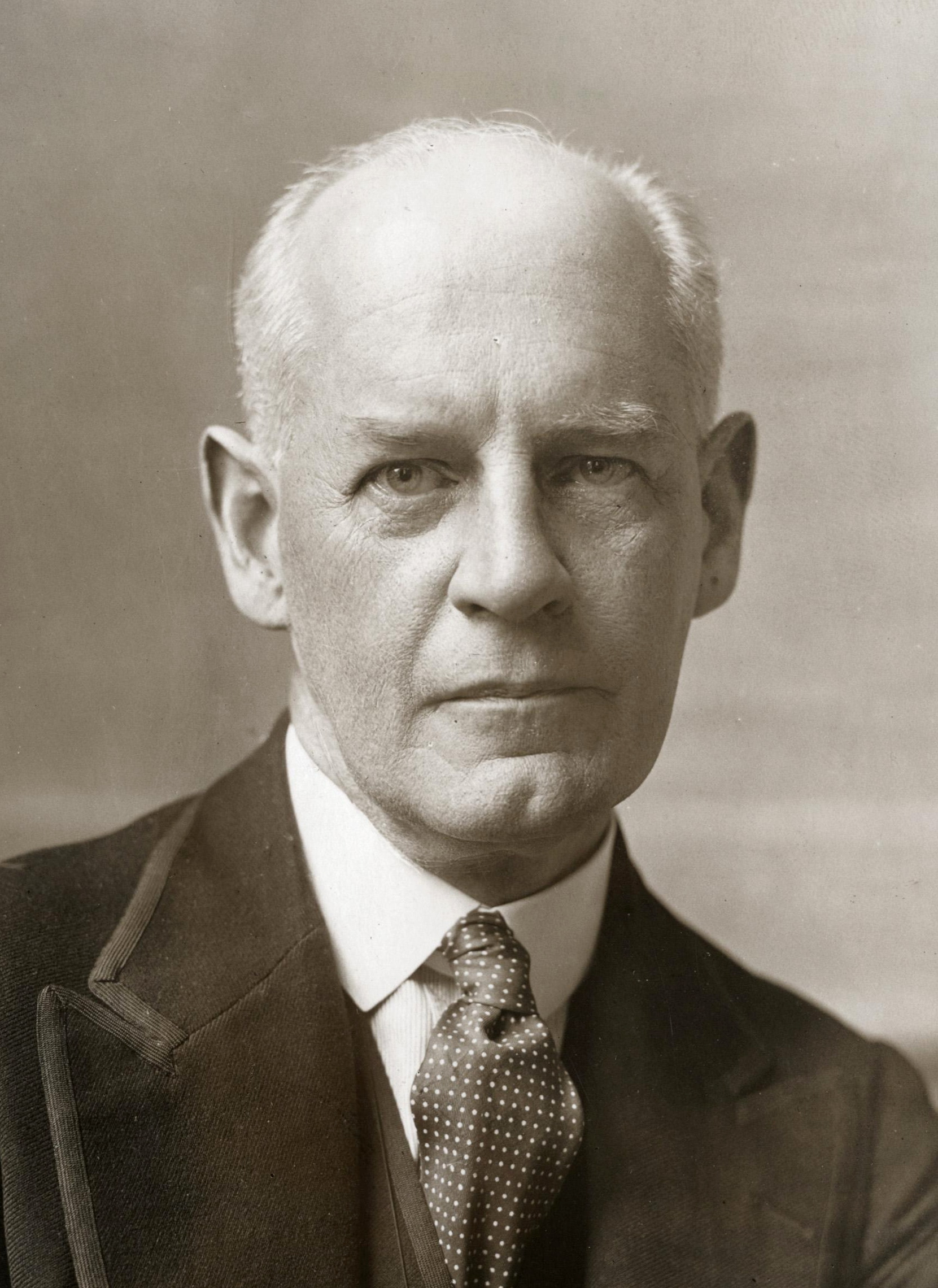
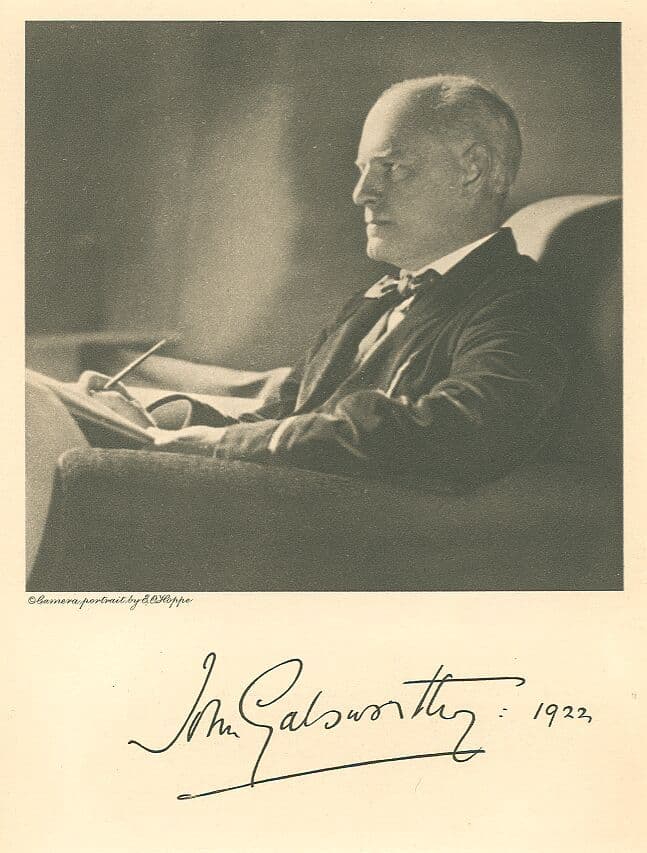
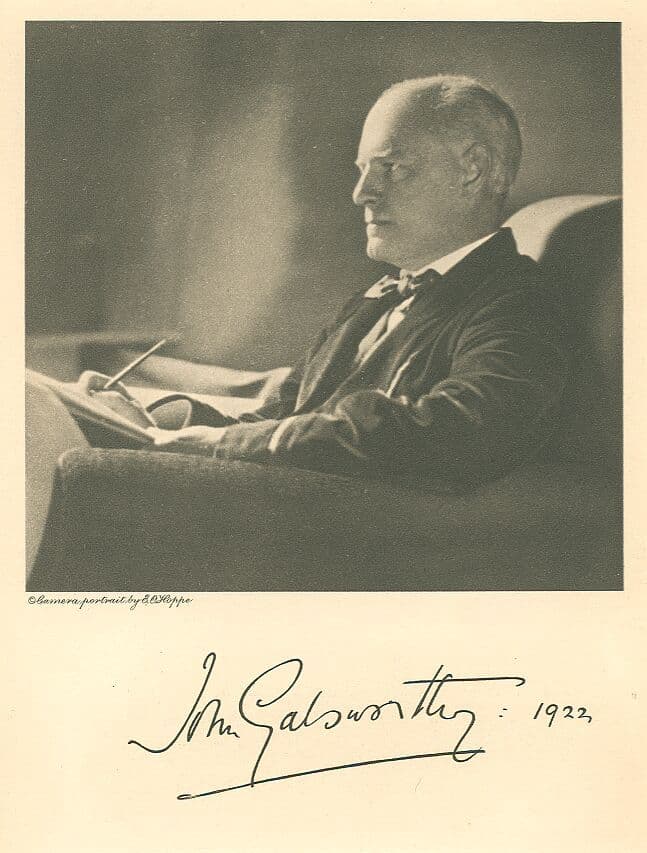
1920. The war is over but the peace is hollow. In Lord William Dromondy's wine cellar, beneath the crystal and the vintage, something is fermenting. His daughter Little Anne listens as footmen and factory workers speak truths the drawing room pretends not to hear. The Anti-Sweating movement has arrived, and with it the simmering rage of a working class that made the war and received nothing but platitudes in return. Galsworthy, who would win the Nobel Prize in Literature, builds his drama on the fault lines of British society: the aristocracy clinging to habit, the servants watching, the reformers demanding change. This is not a gentle play about nice people discussing inequality. It is a play about what happens when the foundations crack. The dialogue crackles with the particular anxiety of a society uncertain whether reform will come in time or whether something more violent will take its place. For readers who want their early 20th-century drama laced with genuine unrest.
Editions
Link to this book
Add a free, dofollow link to Lex on your blog, forum, syllabus, or reading list.

<a href="https://lex-books.com/book/the-foundations-an-extravagant-play-15d16230-7ed7-4cb3-99da-b84c23cc3ac8"><img src="https://lex-books.com/badges/read-on-lex.svg" alt="Read The Foundations (an Extravagant Play) by John Galsworthy free on Lex" width="160" height="40"></a>[](https://lex-books.com/book/the-foundations-an-extravagant-play-15d16230-7ed7-4cb3-99da-b84c23cc3ac8)[url=https://lex-books.com/book/the-foundations-an-extravagant-play-15d16230-7ed7-4cb3-99da-b84c23cc3ac8][img]https://lex-books.com/badges/read-on-lex.svg[/img][/url]Read The Foundations (an Extravagant Play) by John Galsworthy free on Lex: https://lex-books.com/book/the-foundations-an-extravagant-play-15d16230-7ed7-4cb3-99da-b84c23cc3ac8Cite this book
Reading this edition for a paper or guide? Copy a citation.
Galsworthy, John. The Foundations (an Extravagant Play). Lex, lex-books.com/book/the-foundations-an-extravagant-play-15d16230-7ed7-4cb3-99da-b84c23cc3ac8.Galsworthy, J. (1920). The Foundations (an Extravagant Play). Lex. https://lex-books.com/book/the-foundations-an-extravagant-play-15d16230-7ed7-4cb3-99da-b84c23cc3ac8Galsworthy, John. The Foundations (an Extravagant Play). Lex. https://lex-books.com/book/the-foundations-an-extravagant-play-15d16230-7ed7-4cb3-99da-b84c23cc3ac8.