
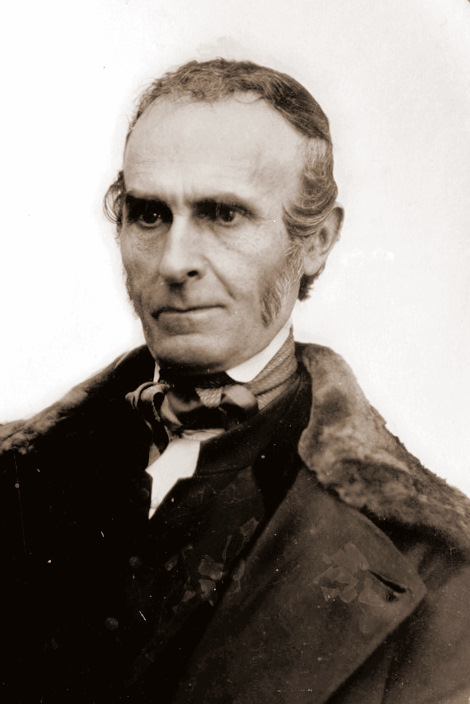
John Doyle Lee
John Doyle Lee was a significant figure in the early history of the Latter Day Saint Movement, known for his role as a pioneer in Utah. He became a prominent member of the community, contributing to the establishment of settlements and the growth of the church. However, his legacy is overshadowed by his involvement in one of the most notorious events in American history: the Mountain Meadows Massacre of 1857, where a group of Mormon militiamen, including Lee, killed around 120 emigrants traveling through Utah. This tragic event marked a turning point in the perception of the Latter Day Saints and raised questions about morality and justice within the community. Lee's actions during the massacre led to his excommunication from the church and ultimately to his conviction for mass murder. In 1877, he was executed by firing squad at the very site of the massacre, a grim conclusion to a life that had once been dedicated to the ideals of the Latter Day Saint faith. His story serves as a complex reflection on the intersection of faith, violence, and the consequences of fanaticism, leaving a controversial legacy that continues to provoke discussion about morality and accountability in religious contexts.
Famous Quotes
View all 3 quotes“Men who will lead you into trouble will seldom stand by you to get you out of it.”
“it being taught by the leaders, and believed by the people, that the right thing to do when a sinner did not repent and obey the Council, was to take the life of the offending party and thus save his or her everlasting soul. This was called Blood Atonement.”
“It was then the rule that all the enemies of the Prophet Joseph should be killed, and I know of many a man who was quietly put out of the way by the orders of Joseph and his apostles while the Church was there.”
Books from the author



Link to this page
Add a free, dofollow link to Lex on your blog, forum, syllabus, or reading list.

<a href="https://lex-books.com/author/john-doyle-lee"><img src="https://lex-books.com/badges/read-on-lex.svg" alt="John Doyle Lee on Lex" width="160" height="40"></a>[](https://lex-books.com/author/john-doyle-lee)[url=https://lex-books.com/author/john-doyle-lee][img]https://lex-books.com/badges/read-on-lex.svg[/img][/url]John Doyle Lee on Lex: https://lex-books.com/author/john-doyle-lee