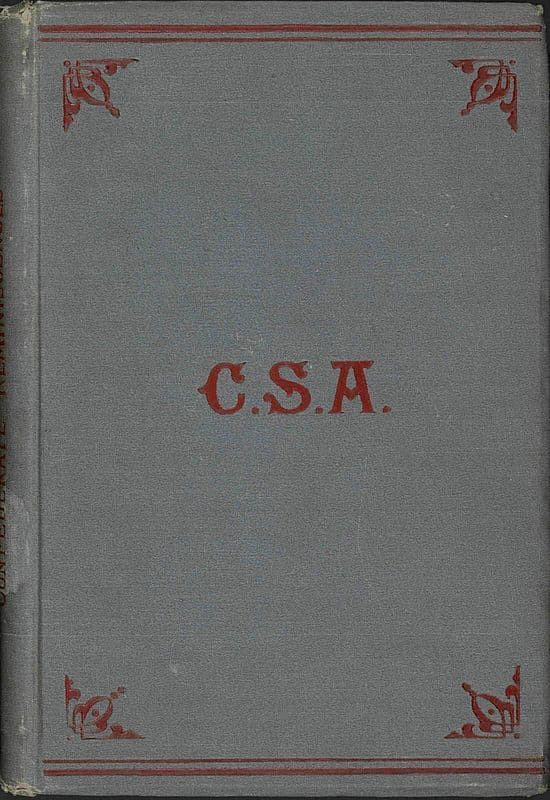
The Mormon Menace: The Confessions of John Doyle Lee, Danite
The Mormon Menace: The Confessions of John Doyle Lee, Danite
In 1857, Mormon settlers in Utah Territory murdered approximately 120 Arkansas emigrants at Mountain Meadows. John Doyle Lee was the man who led the massacre. This book is his confession. Lee recount his journey from troubled Illinois youth to devout Mormon to Danite enforcer, tracing how a desperate man found purpose, belonging, and eventually violence within the boundaries of his faith. The narrative exposes the dark machinery of religious radicalism: the us-versus-them worldview, the absolute certainty of divine mandate, and the willing surrender of individual conscience to collective will. Lee does not recoil from what he helped orchestrate. Instead, he explains, justifies, and in doing so, reveals the terrifying logic that made the massacre possible. This is not a comfortable book. It offers no easy moral clarity, no clear villain or hero. Instead, it provides something more valuable: a disquieting first-person account from inside the machinery of American religious violence. For readers interested in the forgotten atrocities of the frontier, the psychology of mass killing, or the complex, contested legacy of early Mormonism, Lee's own words remain indispensable.
Editions
X-Ray
“it being taught by the leaders, and believed by the people, that the right thing to do when a sinner did not repent and obey the Council, was to take the life of the offending party and thus save his or her everlasting soul. This was called Blood Atonement.””
— John Doyle Lee
“Before I started on my mission to the Mountain Meadows I was told by Brother Haight that his orders to me were the result of full consultation with Bishop Dame and all in authority. The massacre was decided on by the head men of the Church.””
— John Doyle Lee
“It was then the rule that all the enemies of the Prophet Joseph should be killed, and I know of many a man who was quietly put out of the way by the orders of Joseph and his apostles while the Church was there.””
— John Doyle Lee
“Anderson got up, dressed himself, bid his family good- by, and without remonstrance accompanied those he believed were carrying out the will of Almighty God. They went to the place where the grave was prepared, Anderson kneeling by the side of the grave and praying. Bishop Klingensmith then cut Anderson's throat and held him so that his blood ran into the grave.””
— John Doyle Lee
“This Council was composed of Bishop Klingensmith and his two counselors; it was the Bishop's Council. The Council voted that Anderson must die for violating his covenants.””
— John Doyle Lee
Link to this book
Add a free, dofollow link to Lex on your blog, forum, syllabus, or reading list.

<a href="https://lex-books.com/book/the-mormon-menace-the-confessions-of-john-doyle-lee-danite-11775178-c0b3-4461-9356-06bc9051b46a"><img src="https://lex-books.com/badges/read-on-lex.svg" alt="Read The Mormon Menace: The Confessions of John Doyle Lee, Danite by John Doyle Lee free on Lex" width="160" height="40"></a>[](https://lex-books.com/book/the-mormon-menace-the-confessions-of-john-doyle-lee-danite-11775178-c0b3-4461-9356-06bc9051b46a)[url=https://lex-books.com/book/the-mormon-menace-the-confessions-of-john-doyle-lee-danite-11775178-c0b3-4461-9356-06bc9051b46a][img]https://lex-books.com/badges/read-on-lex.svg[/img][/url]Read The Mormon Menace: The Confessions of John Doyle Lee, Danite by John Doyle Lee free on Lex: https://lex-books.com/book/the-mormon-menace-the-confessions-of-john-doyle-lee-danite-11775178-c0b3-4461-9356-06bc9051b46aCite this book
Reading this edition for a paper or guide? Copy a citation.
Lee, John Doyle. The Mormon Menace: The Confessions of John Doyle Lee, Danite. Lex, lex-books.com/book/the-mormon-menace-the-confessions-of-john-doyle-lee-danite-11775178-c0b3-4461-9356-06bc9051b46a.Lee, J. D. (n.d.). The Mormon Menace: The Confessions of John Doyle Lee, Danite. Lex. https://lex-books.com/book/the-mormon-menace-the-confessions-of-john-doyle-lee-danite-11775178-c0b3-4461-9356-06bc9051b46aLee, John Doyle. The Mormon Menace: The Confessions of John Doyle Lee, Danite. Lex. https://lex-books.com/book/the-mormon-menace-the-confessions-of-john-doyle-lee-danite-11775178-c0b3-4461-9356-06bc9051b46a.