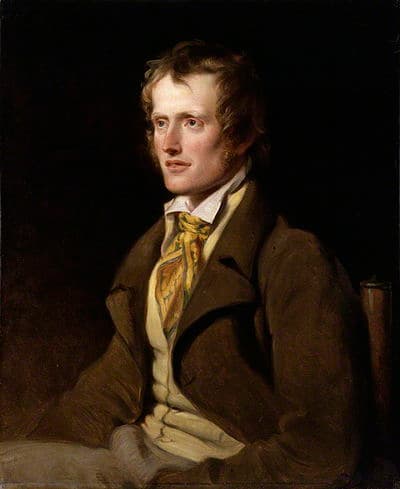
John Clare
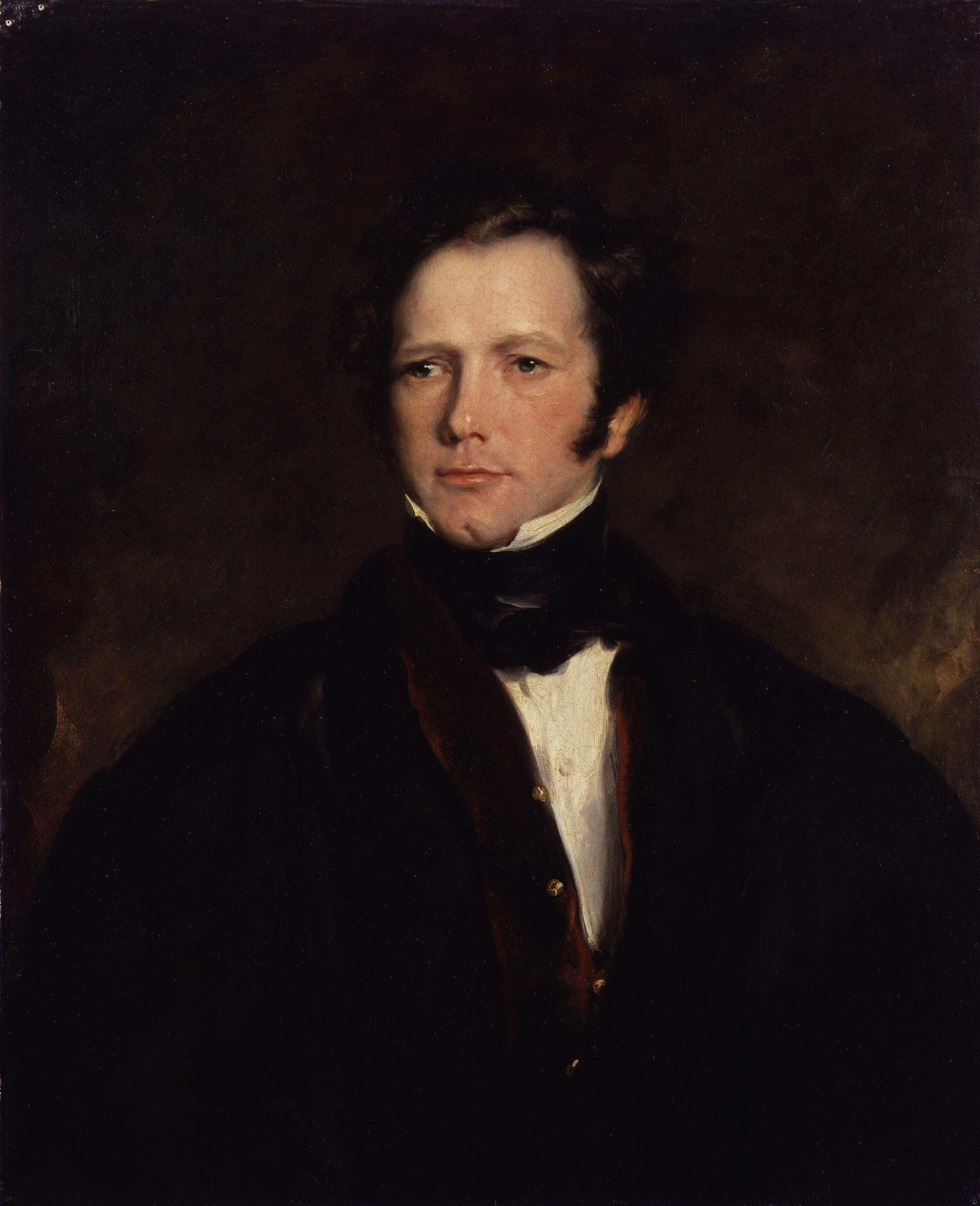
John Clare was an English poet whose deep connection to the rural landscape and its changing nature defined much of his work. Born to a farm laborer, Clare's upbringing in the English countryside profoundly influenced his poetry, which often celebrated the beauty of nature while lamenting its disruption due to industrialization and societal changes. His notable works, including 'Songs of the Soil' and 'The Shepherd's Calendar,' reflect a keen observation of the natural world and a heartfelt expression of his personal struggles, particularly his feelings of alienation and instability. Despite facing challenges throughout his life, including mental health issues and poverty, Clare's poetry gained significant recognition in the late 20th century, leading to a re-evaluation of his contributions to English literature. Biographer Jonathan Bate hailed him as "the greatest labouring-class poet that England has ever produced," emphasizing Clare's unique voice and perspective. Today, he is celebrated not only for his vivid depictions of the English countryside but also for his role in the evolution of nature poetry, making him a significant figure in the canon of 19th-century literature.
Famous Quotes
View all 3 quotes“I am—yet what I am none cares or knows; My friends forsake me like a memory lost: I am the self-consumer of my woes— They rise and vanish in oblivious host, Like shadows in love’s frenzied stifled throes And yet I am, and live—like vapours tossed”
“I Am! I am—yet what I am none cares or knows; My friends forsake me like a memory lost: I am the self-consumer of my woes— They rise and vanish in oblivious host, Like shadows in love’s frenzied stifled throes And yet I am, and live—like vapours tossed Into the nothingness of scorn and noise, Into the living sea of waking dreams, Where there is neither sense of life or joys, But the vast shipwreck of my life’s esteems; Even the dearest that I loved the best Are strange—nay, rather, stranger than the rest. I long for scenes where man hath never trod A place where woman never smiled or wept There to abide with my Creator, God, And sleep as I in childhood sweetly slept, Untroubling and untroubled where I lie The grass below—above the vaulted sky.”
“I found the poems in the fields, And only wrote them down.”
Books from the author



Link to this page
Add a free, dofollow link to Lex on your blog, forum, syllabus, or reading list.

<a href="https://lex-books.com/author/john-clare"><img src="https://lex-books.com/badges/read-on-lex.svg" alt="John Clare on Lex" width="160" height="40"></a>[](https://lex-books.com/author/john-clare)[url=https://lex-books.com/author/john-clare][img]https://lex-books.com/badges/read-on-lex.svg[/img][/url]John Clare on Lex: https://lex-books.com/author/john-clare