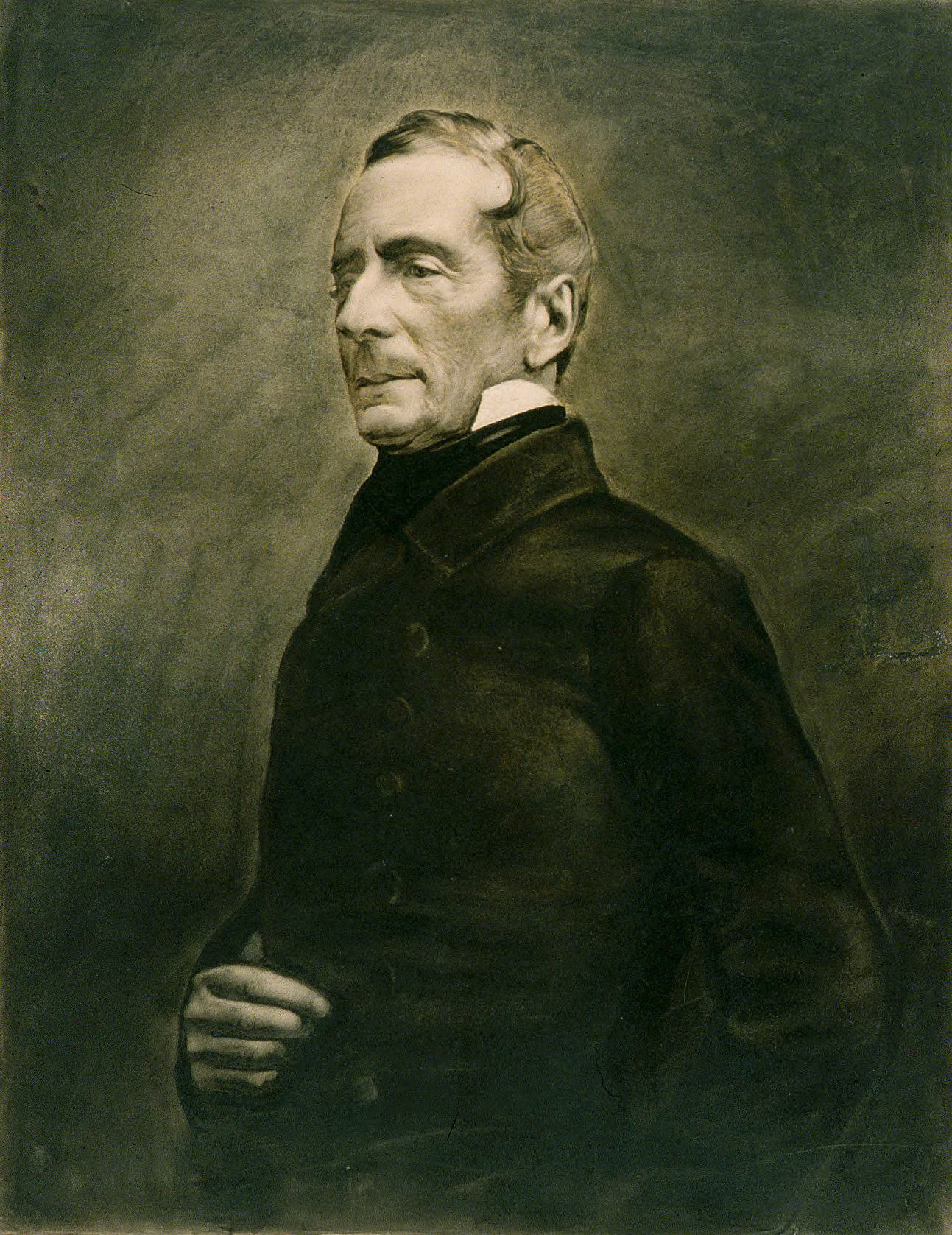
John Burnet
John Burnet was a Scottish philosopher and art critic known for his significant contributions to the study of early Greek philosophy and the art of Rembrandt. His scholarly works, particularly 'Early Greek Philosophy' and 'Greek Philosophy Part I: Thales to Plato,' reflect his deep engagement with the foundational ideas of Western thought, exploring the philosophical developments from the pre-Socratic era through to Plato. Burnet's analyses not only elucidated the historical context of these philosophers but also examined their enduring influence on contemporary philosophy. In addition to his philosophical pursuits, Burnet was an astute art critic, as demonstrated in his book 'Rembrandt and His Works.' This work provided a detailed account of the artist's life and a critical examination of his techniques, particularly in design, light, shade, and color, illustrated with examples from Rembrandt's etchings. Burnet's essays, such as 'An Essay on the Education of the Eye with Reference to Painting,' further highlight his belief in the importance of visual education in understanding and appreciating art. Through his writings, Burnet established himself as a pivotal figure in both philosophical and artistic discourse, leaving a legacy that continues to influence scholars and artists alike.
Famous Quotes
View all 3 quotes“We are strangers in this world, and the body is the tomb of the soul, and yet we must not seek to escape by self-murder; for we are the chattels of God who is our herdsman, and without his command we have no right to make our escape. In this life, there are three kinds of men, just as there are three sorts of people who come to the Olympic Games. The lowest class is made up of those who come to buy and sell, the next above them are those who compete. Best of all, however, are those who come simply to look on. The greatest purification of all is, therefore, disinterested science, and it is the man who devotes himself to that, the true philosopher, who has most effectually released himself from the 'wheel of birth.”
“the All was alternately one and at peace through the power of Aphrodite,”
“It must, however, be remembered that the world was already very old when science and philosophy began.”
Books from the author



Link to this page
Add a free, dofollow link to Lex on your blog, forum, syllabus, or reading list.

<a href="https://lex-books.com/author/john-burnet"><img src="https://lex-books.com/badges/read-on-lex.svg" alt="John Burnet on Lex" width="160" height="40"></a>[](https://lex-books.com/author/john-burnet)[url=https://lex-books.com/author/john-burnet][img]https://lex-books.com/badges/read-on-lex.svg[/img][/url]John Burnet on Lex: https://lex-books.com/author/john-burnet