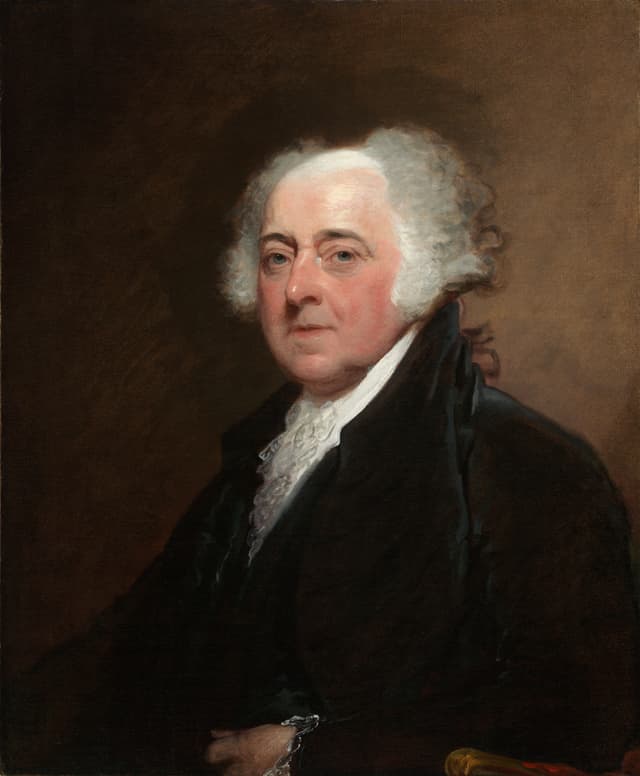
John Adams
John Adams was a pivotal figure in American history, serving as a Founding Father and the second president of the United States from 1797 to 1801. A lawyer by training, he emerged as a leader during the American Revolution, advocating for independence from Great Britain. Adams played a crucial role in the Continental Congress, where he was instrumental in drafting the Declaration of Independence alongside Thomas Jefferson. His diplomatic efforts during the war included representing the United States in France and the Netherlands, negotiating the peace treaty with Great Britain, and securing vital loans from the Dutch. His political writings, particularly the Massachusetts Constitution of 1780, significantly influenced the formation of the United States Constitution. As the first vice president under George Washington, Adams faced numerous challenges during his presidency, including the contentious issues surrounding the French Revolutionary Wars. His commitment to American neutrality often put him at odds with both the Jeffersonian Republicans and members of his own Federalist Party, leading to criticism from rivals like Alexander Hamilton. Notably, Adams signed the Alien and Sedition Acts, which sparked controversy and debate over civil liberties. Despite these challenges, he was the first president to reside in the White House, leaving a complex legacy that shaped the early years of the American republic and underscored the tensions between federal authority and individual rights.
Famous Quotes
View all 3 quotes“The government of the United States is not, in any sense, founded on the Christian religion.”
“Government is instituted for the common good; for the protection, safety, prosperity and happiness of the people; and not for the profit, honor, or private interest of any one man, family, or class of men.”
“Every problem is an opportunity in disguise.”
Books from the author
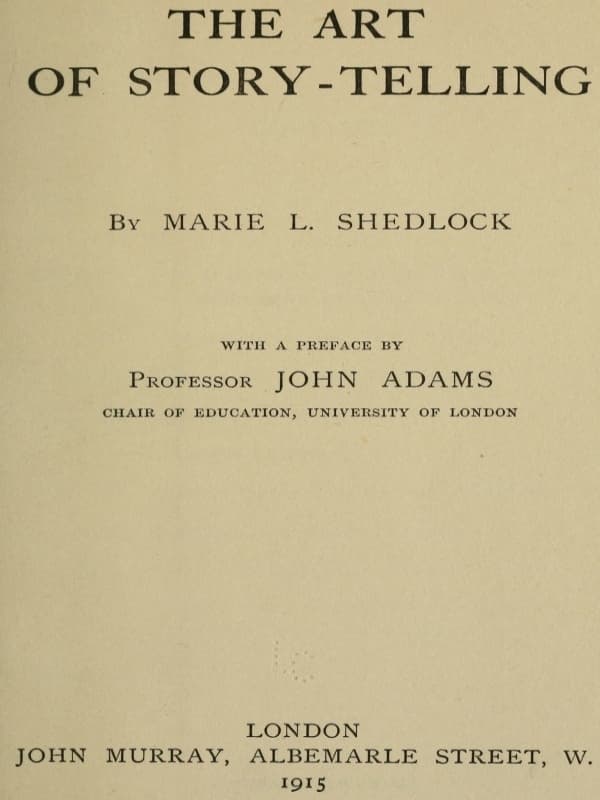
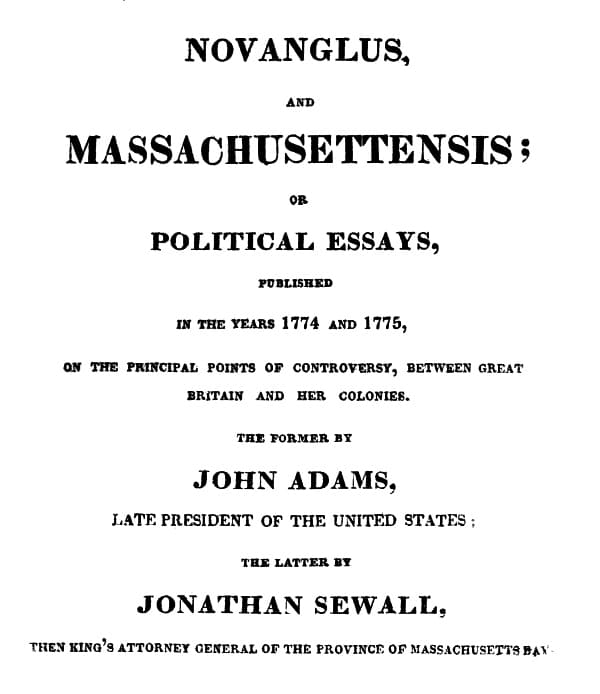
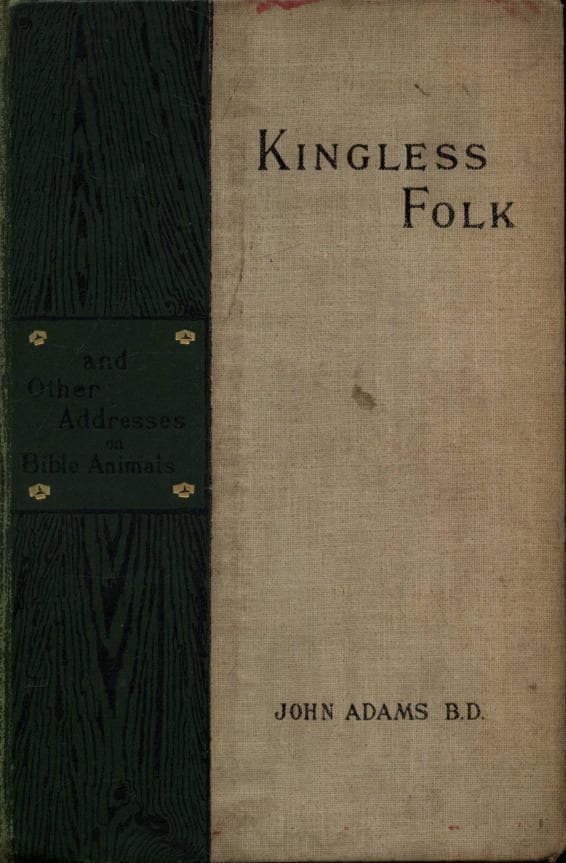


Link to this page
Add a free, dofollow link to Lex on your blog, forum, syllabus, or reading list.

<a href="https://lex-books.com/author/john-adams"><img src="https://lex-books.com/badges/read-on-lex.svg" alt="John Adams on Lex" width="160" height="40"></a>[](https://lex-books.com/author/john-adams)[url=https://lex-books.com/author/john-adams][img]https://lex-books.com/badges/read-on-lex.svg[/img][/url]John Adams on Lex: https://lex-books.com/author/john-adams