
Johanna Kinkel
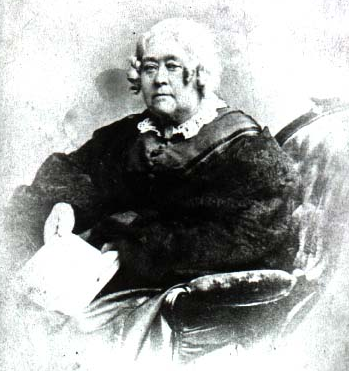
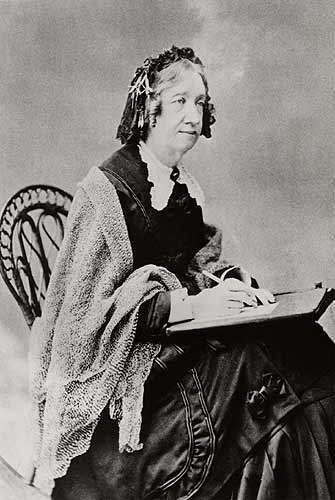
Johanna Kinkel, originally named Maria Johanna Mockel, was a multifaceted German composer, writer, and educator who played a significant role in the cultural and political landscape of her time. Born in 1810, she became known for her contributions to music and literature, as well as her involvement in revolutionary activities. Kinkel's literary works often reflected her progressive ideals, advocating for social change and women's rights, which were particularly controversial in the conservative climate of 19th-century Germany. Her notable writings include essays and poetry that explored themes of freedom and justice, resonating with the burgeoning movements for reform in Europe. As a composer, Kinkel was recognized for her ability to blend lyrical melodies with profound emotional depth, although her musical legacy has often been overshadowed by her literary contributions. She was a prominent figure in the German Romantic movement, and her works were characterized by a strong sense of individuality and a commitment to expressing the inner lives of her characters. Kinkel's life was marked by her dedication to education and the empowerment of women, making her a significant figure in both the arts and the early feminist movement. Her legacy endures as a testament to the intersection of creativity and activism in the pursuit of social progress.
Books from the author






Link to this page
Add a free, dofollow link to Lex on your blog, forum, syllabus, or reading list.

<a href="https://lex-books.com/author/johanna-kinkel"><img src="https://lex-books.com/badges/read-on-lex.svg" alt="Johanna Kinkel on Lex" width="160" height="40"></a>[](https://lex-books.com/author/johanna-kinkel)[url=https://lex-books.com/author/johanna-kinkel][img]https://lex-books.com/badges/read-on-lex.svg[/img][/url]Johanna Kinkel on Lex: https://lex-books.com/author/johanna-kinkel