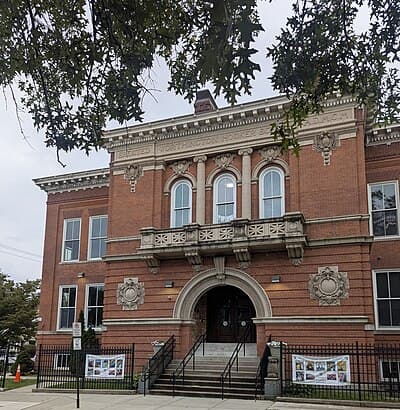
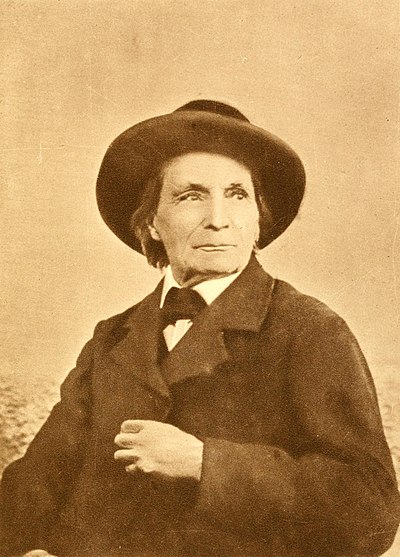
Worthington Hooker
Worthington Hooker was an influential American physician and medical educator, recognized for his significant contributions to medical ethics in the 19th century. Born in Springfield, Massachusetts, he graduated from Yale University in 1825 and earned his medical degree from Harvard University in 1829. Hooker practiced medicine in Connecticut until 1852, after which he took on a prominent role as a professor of the theory and practice of medicine at Yale. His leadership in the medical community was further exemplified when he served as vice president of the American Medical Association in 1864. Hooker is best known for his seminal work, "Physician and Patient," which has been regarded as the most original American contribution to medical ethics during his time. This book explored the complex relationship between doctors and patients, emphasizing the importance of mutual respect and understanding. His ideas not only shaped the practice of medicine in the United States but also laid the groundwork for future discussions on medical ethics. Hooker's legacy continues through institutions like the Worthington Hooker School in New Haven, Connecticut, named in his honor, reflecting his lasting impact on medical education and ethical practice.
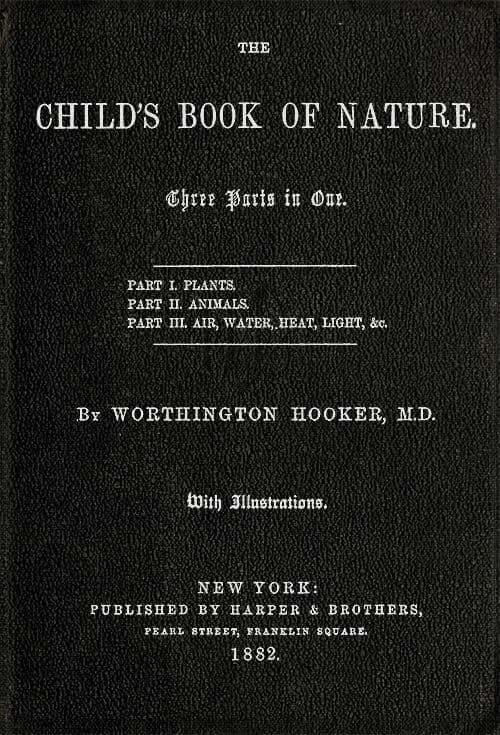
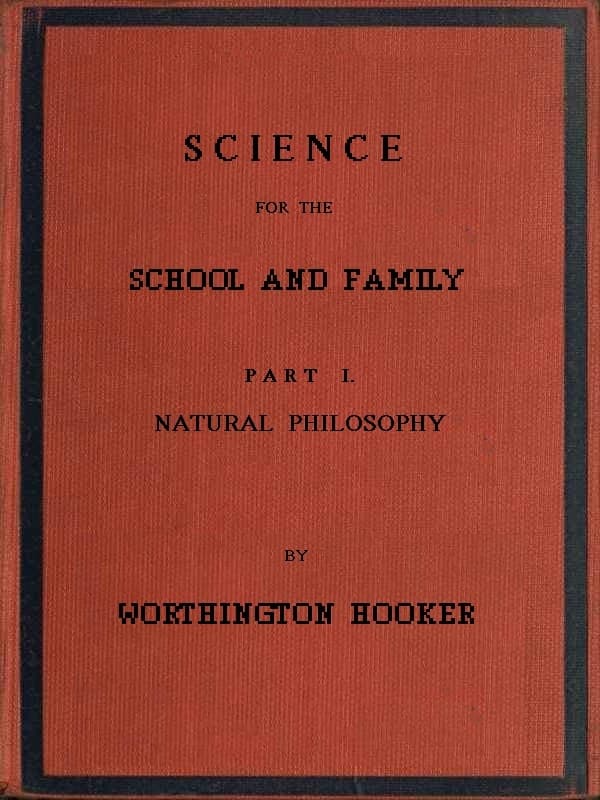
Books from the author





Link to this page
Add a free, dofollow link to Lex on your blog, forum, syllabus, or reading list.

<a href="https://lex-books.com/author/worthington-hooker"><img src="https://lex-books.com/badges/read-on-lex.svg" alt="Worthington Hooker on Lex" width="160" height="40"></a>[](https://lex-books.com/author/worthington-hooker)[url=https://lex-books.com/author/worthington-hooker][img]https://lex-books.com/badges/read-on-lex.svg[/img][/url]Worthington Hooker on Lex: https://lex-books.com/author/worthington-hooker