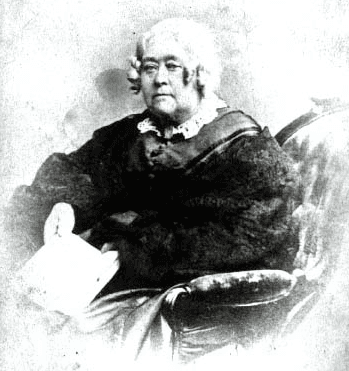
Elizabeth Palmer Peabody
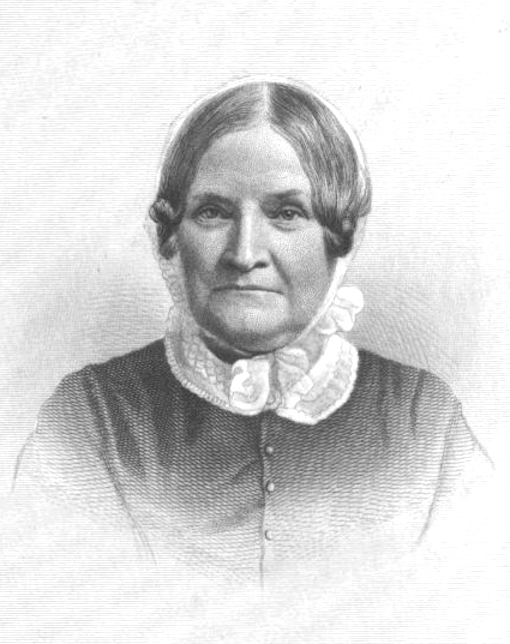
Elizabeth Palmer Peabody was a pioneering American educator and advocate for children's education, best known for establishing the first English-language kindergarten in the United States. She recognized the intrinsic value of play in child development long before it became a widely accepted educational principle. With a rich background in history and literature, Peabody opened a bookstore in 1840 that became a hub for intellectual discourse, hosting events such as Margaret Fuller's 'Conversations' and publishing works by notable authors like Nathaniel Hawthorne. Her contributions extended beyond education; she was a passionate advocate for antislavery and Transcendentalism, and she actively supported the rights of marginalized groups, including the Paiute Indians. In addition to her educational endeavors, Peabody made significant contributions to literature and cultural exchange. She was the first to translate the Buddhist scripture, the Lotus Sutra, into English, marking a milestone in the introduction of Eastern philosophies to Western audiences. Her translation, derived from a French version, was the first English rendering of any Buddhist text, showcasing her commitment to bridging cultural divides. Peabody's legacy lies in her innovative approaches to education and her role in promoting social justice and cultural understanding, making her a significant figure in 19th-century American intellectual life.
Famous Quotes
View all 2 quotes“The perilous time for the most highly gifted is not youth. The holy sensibilities of genius”
“Come, let us live with our children."”
Books from the author




Link to this page
Add a free, dofollow link to Lex on your blog, forum, syllabus, or reading list.

<a href="https://lex-books.com/author/elizabeth-palmer-peabody"><img src="https://lex-books.com/badges/read-on-lex.svg" alt="Elizabeth Palmer Peabody on Lex" width="160" height="40"></a>[](https://lex-books.com/author/elizabeth-palmer-peabody)[url=https://lex-books.com/author/elizabeth-palmer-peabody][img]https://lex-books.com/badges/read-on-lex.svg[/img][/url]Elizabeth Palmer Peabody on Lex: https://lex-books.com/author/elizabeth-palmer-peabody