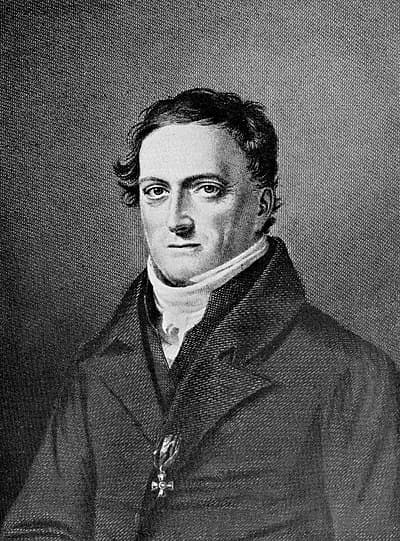
Johann Friedrich Herbart
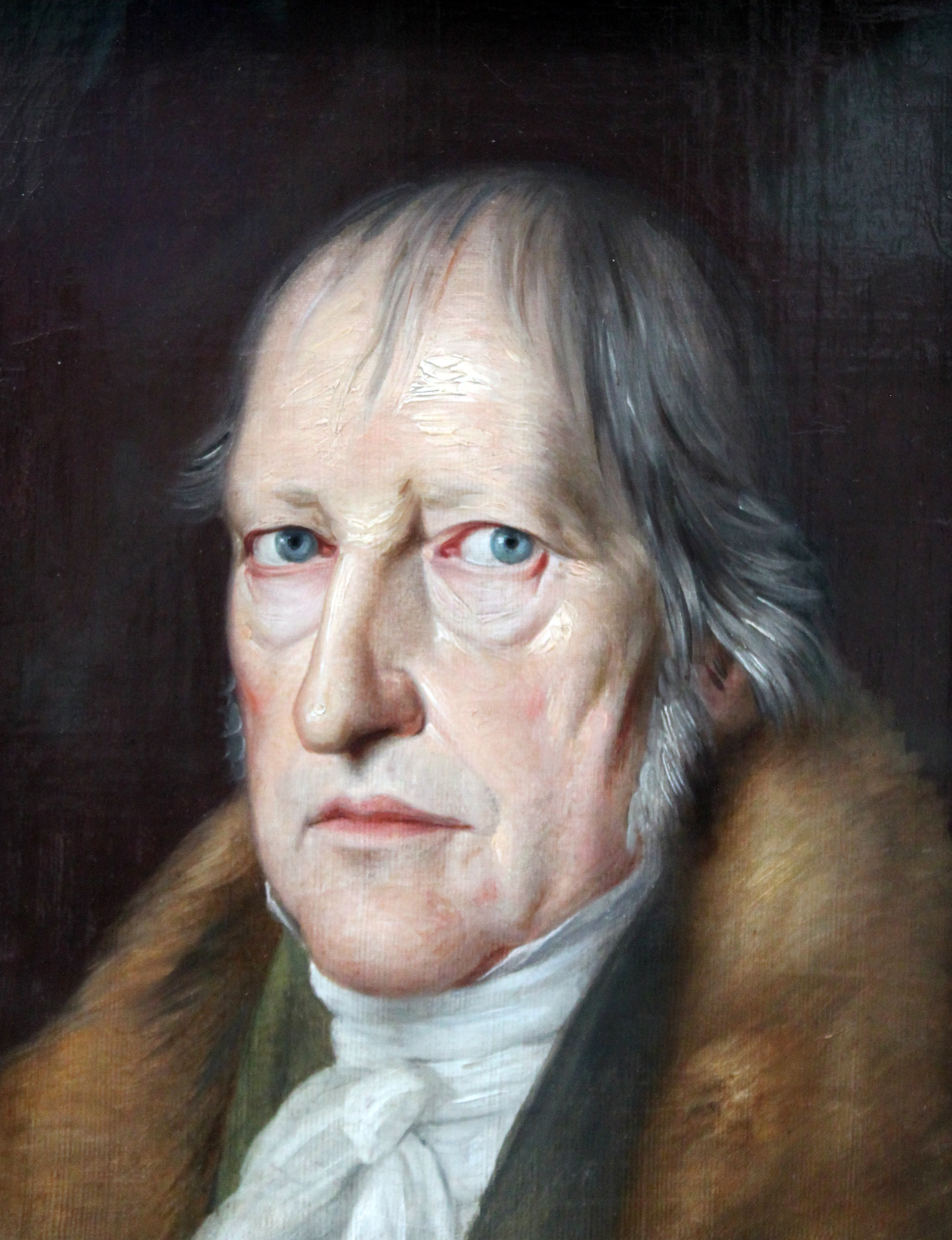
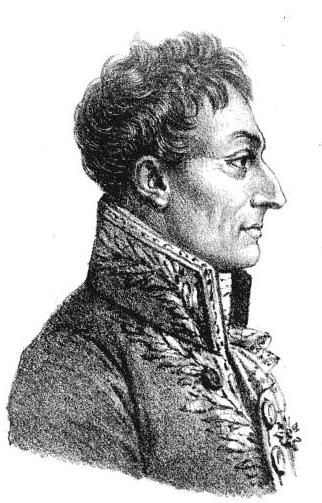
Johann Friedrich Herbart was a German philosopher and psychologist who played a pivotal role in the development of pedagogy as an academic discipline. Born in 1776, he emerged as a significant figure in post-Kantian philosophy, particularly noted for his stark contrast to Hegel, especially in the realm of aesthetics. Herbart's ideas emphasized the importance of education and the psychological processes involved in learning, laying the groundwork for modern educational theory. His approach, known as Herbartianism, advocated for a systematic method of teaching that integrated moral and ethical considerations into the educational process. Herbart's contributions extended beyond philosophy and education; he also influenced the field of psychology, focusing on the interplay between ideas and the mind's capacity to organize them. His work on the nature of consciousness and the role of interest in learning has had lasting implications for both educational practices and psychological theories. Through his writings and teachings, Herbart established a framework that not only shaped educational methods in his time but also left a lasting legacy that continues to inform contemporary discussions on pedagogy and the philosophy of education.
Books from the author




Link to this page
Add a free, dofollow link to Lex on your blog, forum, syllabus, or reading list.

<a href="https://lex-books.com/author/johann-friedrich-herbart"><img src="https://lex-books.com/badges/read-on-lex.svg" alt="Johann Friedrich Herbart on Lex" width="160" height="40"></a>[](https://lex-books.com/author/johann-friedrich-herbart)[url=https://lex-books.com/author/johann-friedrich-herbart][img]https://lex-books.com/badges/read-on-lex.svg[/img][/url]Johann Friedrich Herbart on Lex: https://lex-books.com/author/johann-friedrich-herbart