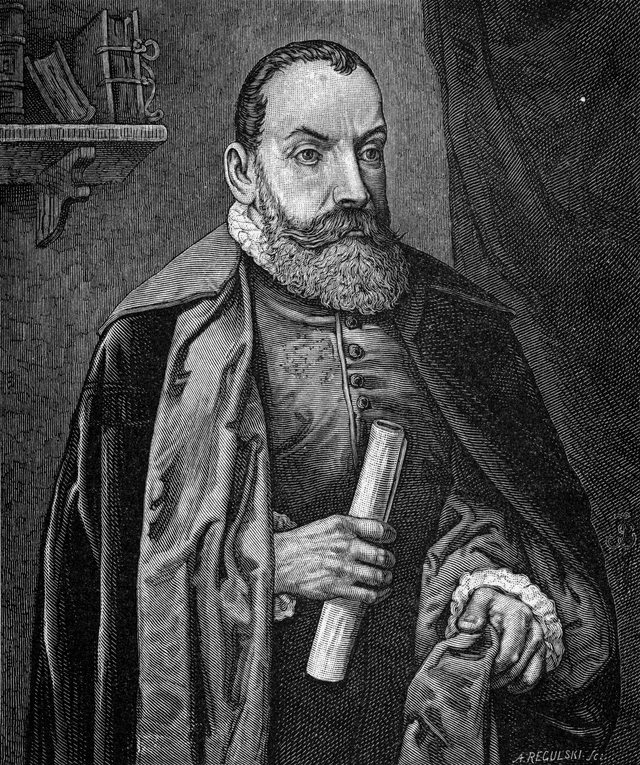
Jan Kochanowski
Jan Kochanowski was a pivotal figure in Polish literature during the Renaissance, renowned for his contributions as a poet in both Latin and Polish. His education at the University of Padua and travels through Italy and France enriched his literary perspective, allowing him to blend classical influences with Polish themes. Upon returning to Poland in 1559, he became involved with the political elite, serving as a courtier and later as secretary to King Sigismund II Augustus. His participation in significant events, such as the Sejm of 1569, underscored his role in the cultural and political life of Poland. Kochanowski's literary legacy is marked by his innovative poetic forms and themes that laid the groundwork for future Polish literature. His notable works include the lyrical collection "Treny" (Laments), which reflects his profound grief over the death of his daughter, and the pastoral poem "Sielanki" (Idylls), which showcases his mastery of the Polish language. Often regarded as the greatest Polish poet before Adam Mickiewicz, Kochanowski's influence extended beyond his lifetime, shaping the evolution of Polish poetry and establishing a national literary identity that resonated through the centuries. His ability to articulate complex human emotions and social issues in a distinctly Polish context has cemented his status as one of the most significant Slavic poets of the Renaissance.
Famous Quotes
View all 3 quotes“Cieszy mię ten rym: „Polak mądr po szkodzie”; Lecz jeśli prawda i z tego nas zbodzie, Nową przypowieść Polak sobie kupi, Że i przed szkodą, i po szkodzie głupi.”
“[...] But then, What is not vain, by God, in lives of men? All is in vain! We play at blind man's buff Until hard edges break into out path. Man life's is error. Where, then, is relief? In shedding tears or wrestling down my grief?”
“PANI Nie frasuj mi się, moje dziecię miłe, Takci na świecie być musi: raz radość, Drugi raz smutek; z tego dwojga żywot Nasz upleciony. I rozkoszyć nasze Niepewne, ale i troski ustąpić Muszą, gdy Bóg chce, a czasy przyniosą. HELENA o matko moja, nierównoż to tego Wieńca pleciono; więcej że daleko Człowiek frasunków czuje niż radości. PANI Barziej do serca to, co boli, człowiek Przypuszcza, niżli co g'myśli się dzieje. I stądże się zda, że tego jest więcej, Co trapi, niżli co człowieka cieszy. HELENA Prze Bóg, więcejci złego na tym świecie Niżli dobrego. Patrzaj naprzód, jako Jedenże tylko sposób człowiekowi Jest urodzić się, a zginąć tak wiele Dróg jest, że tego niepodobno zgadnąć. Także i zdrowie nie ma, jeno jedno. Człowiek śmiertelny, a przeciwko temu Niezliczna liczba chorób rozmaitych. Ale i ona, która wszystkim włada, Która ma wszytko w ręku, wszytkim rządzi, Fortuna, za mną świadczy, że daleko Mniej dóbr na świecie niżli tego, co złym Ludzie mianują, bo ubogaciwszy Pewną część ludzi, patrzaj, co ich ciężkim Ubóstwem trapi. A iż tego żadnej Zadości g'woli ani skępstwu swemu Nie czyni, ale niedostatkiem tylko Sciśniona, znak jest, że i dziś, gdy komu Chce co uczynić dobrze, pospolicie Jednemu pierwej weźmie, toż dopiero Drugiemu daje; skąd się da rozumieć, Co już powtarzam nie raz, że na świecie Mniej dóbr daleko niżli złych przypadków. PANI Mniej abo więcej, równa li też liczba Obojga — korzyść niewielka to wiedzieć. o to by Boga prosić, żeby człowiek Co namniej szczęścia przeciwnego doznał, Bo żeby zgoła nic, to nie człowiecza. Ale że z rady tak długo nikogo Kobieta Nie słychać! Wiem, że da bez omieszkania Znać Aleksander, skoro się tam rzeczy Przetoczą, a nam białymgłowom jakoś Przystojniej w domu zawżdy niż przed sienią”
Books from the author


Link to this page
Add a free, dofollow link to Lex on your blog, forum, syllabus, or reading list.

<a href="https://lex-books.com/author/jan-kochanowski"><img src="https://lex-books.com/badges/read-on-lex.svg" alt="Jan Kochanowski on Lex" width="160" height="40"></a>[](https://lex-books.com/author/jan-kochanowski)[url=https://lex-books.com/author/jan-kochanowski][img]https://lex-books.com/badges/read-on-lex.svg[/img][/url]Jan Kochanowski on Lex: https://lex-books.com/author/jan-kochanowski