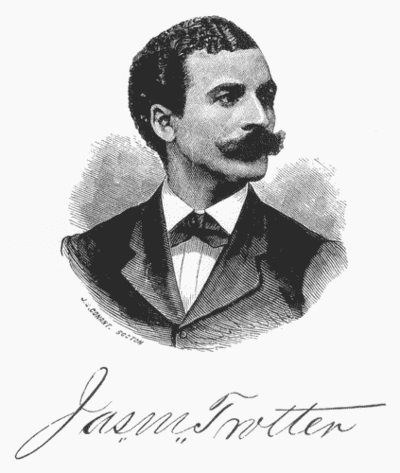
James M. Trotter
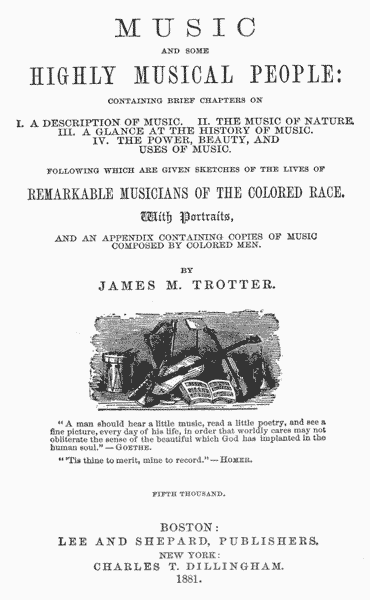
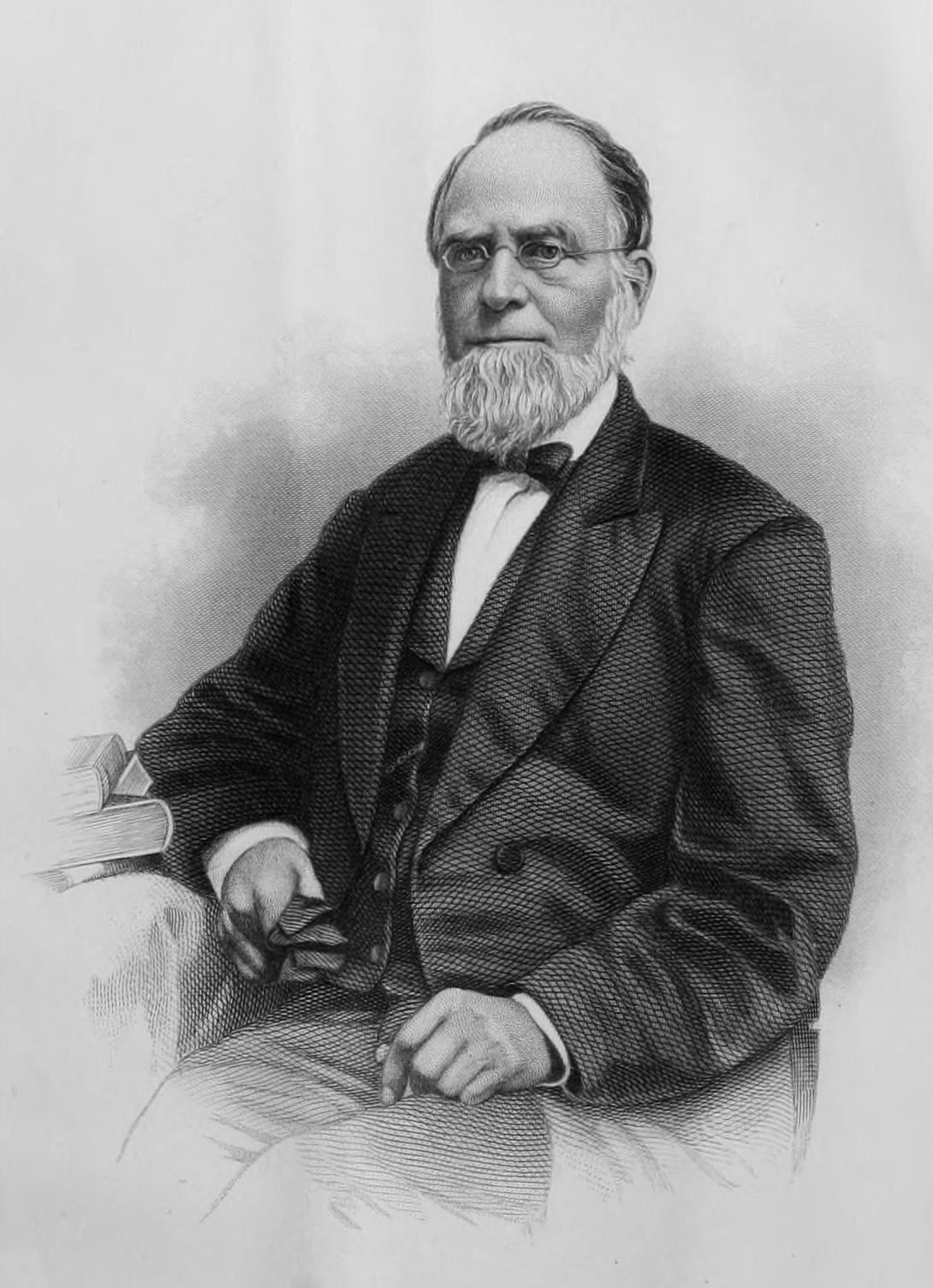
James Monroe Trotter was an influential American teacher, soldier, and music historian, whose life journey began in slavery in Mississippi. Freed by his father, Trotter moved with his family to Cincinnati, Ohio, where he embraced education and became a teacher. His commitment to service led him to enlist in the 55th Massachusetts Volunteer Infantry during the Civil War, where he distinguished himself as one of the first men of color to achieve the rank of lieutenant in the U.S. Army. After the war, Trotter settled in Boston, where he made history as the first African American hired by the Post Office Department, dedicating many years to public service. Trotter's literary contributions are significant, particularly his work "Music and Some Highly Musical People," which stands as the first comprehensive history of African American musicians. His writings not only documented the contributions of black musicians but also highlighted the cultural landscape of the time. In 1886, he reached a pinnacle in his career when he was appointed Recorder of Deeds in Washington, D.C., a notable achievement as it was the highest federal position available to African Americans at the time. Trotter's legacy continued through his son, William Monroe Trotter, a prominent civil rights activist and founder of the Boston Guardian, ensuring that his impact on both music and civil rights would resonate beyond his lifetime.
Books from the author


Link to this page
Add a free, dofollow link to Lex on your blog, forum, syllabus, or reading list.

<a href="https://lex-books.com/author/james-m-trotter"><img src="https://lex-books.com/badges/read-on-lex.svg" alt="James M. Trotter on Lex" width="160" height="40"></a>[](https://lex-books.com/author/james-m-trotter)[url=https://lex-books.com/author/james-m-trotter][img]https://lex-books.com/badges/read-on-lex.svg[/img][/url]James M. Trotter on Lex: https://lex-books.com/author/james-m-trotter