Music and Some Highly Musical People
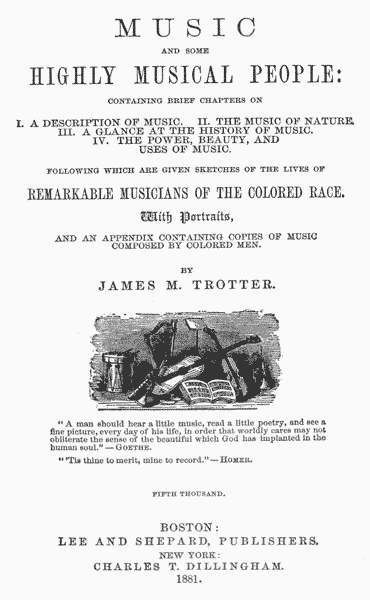
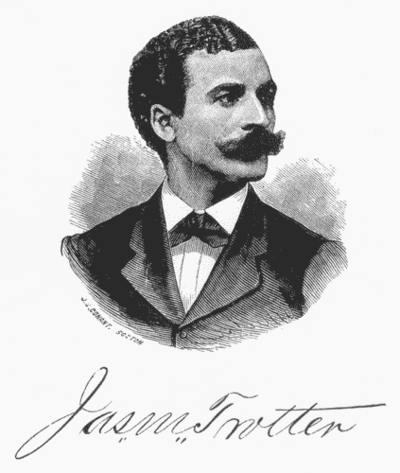
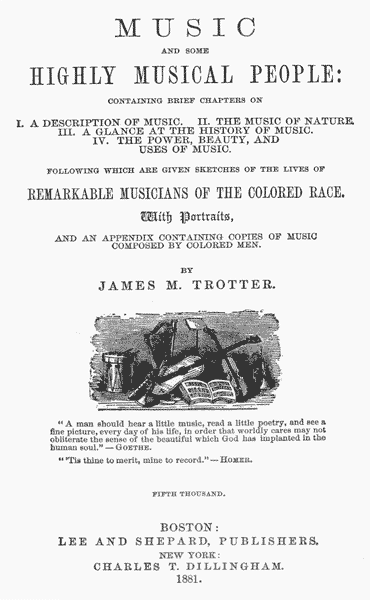
Published in 1878, this landmark work stands as perhaps the first comprehensive history of American music ever written, and its scope is radical for its time: James Monroe Trotter, a man born into slavery who would rise to serve as a colonel in the Union Army and become a respected educator, turned his keen eye and determined pen toward documenting the rich tapestry of musical achievement within the African American community. This is not mere biography; it is an act of preservation and fierce reclamation. Trotter profiles over forty musicians and groups, including the transcendent voice of Elizabeth Taylor Greenfield (the "Black Swan"), the pioneering pianist Thomas Greene Bethune, and the Fisk University Jubilee Singers whose performances captivated audiences abroad and forever transformed perceptions of Black musical artistry. Written during the fragile years of Reconstruction, when the nation was actively deciding whether Black Americans would be granted space in its cultural memory, Trotter's book functions as both celebration and challenge. It celebrates extraordinary talent. It challenges a society desperate to overlook it. The result is a historical document that reads less like a dry academic exercise and more like a passionate argument for humanity, rendered through the universal language of music.
Editions
Link to this book
Add a free, dofollow link to Lex on your blog, forum, syllabus, or reading list.

<a href="https://lex-books.com/book/music-and-some-highly-musical-people-289d90fe-cfdc-4370-ab9f-5b88efd67295"><img src="https://lex-books.com/badges/read-on-lex.svg" alt="Read Music and Some Highly Musical People by James M. Trotter free on Lex" width="160" height="40"></a>[](https://lex-books.com/book/music-and-some-highly-musical-people-289d90fe-cfdc-4370-ab9f-5b88efd67295)[url=https://lex-books.com/book/music-and-some-highly-musical-people-289d90fe-cfdc-4370-ab9f-5b88efd67295][img]https://lex-books.com/badges/read-on-lex.svg[/img][/url]Read Music and Some Highly Musical People by James M. Trotter free on Lex: https://lex-books.com/book/music-and-some-highly-musical-people-289d90fe-cfdc-4370-ab9f-5b88efd67295Cite this book
Reading this edition for a paper or guide? Copy a citation.
Trotter, James M.. Music and Some Highly Musical People. Lex, lex-books.com/book/music-and-some-highly-musical-people-289d90fe-cfdc-4370-ab9f-5b88efd67295.Trotter, J. M. (n.d.). Music and Some Highly Musical People. Lex. https://lex-books.com/book/music-and-some-highly-musical-people-289d90fe-cfdc-4370-ab9f-5b88efd67295Trotter, James M.. Music and Some Highly Musical People. Lex. https://lex-books.com/book/music-and-some-highly-musical-people-289d90fe-cfdc-4370-ab9f-5b88efd67295.