Lex

Browse

GenresShelvesPremiumBlog

Company

AboutJobsPartnersAffiliates

Resources

DocsInvite FriendsSupport

Legal

Terms of ServicePrivacy Policygeneral@lex-books.com(215) 703-8277

© 2026 LexBooks, Inc. All rights reserved.

J. Allanson Picton

Famous Quotes

View all 4 quotes

“In the earlier part of this essay I made the remark that Pantheism as a religion is almost entirely modern. The context, however, clearly showed what was meant; for several pages have been occupied with indications of the ideas and teaching of individual Pantheists from Xenophanes to Spinoza. But we do not usually take much note of a religion that is confined to one or two men in an age. If it dies out we treat it merely as a curiosity, or an intellectual puzzle, like the dreams of Jacob Boehme, or the atheistic ecclesiasticism of Comte. But, if it afterwards shows symptoms of unexpected adaptation to the mental and moral conditions of a newer world, and if, on account of this adaptation, it gains a hold on men who are neither philosophers nor metaphysicians, but only religious, it demands our consideration on far other grounds than those of intellectual curiosity.””

Pantheism, Its Story and Significance Religions Ancient and Modern

“Pantheism differs from the systems of belief constituting the main religions of the world in being comparatively free from any limits of period, climate, or race. For while what we roughly call the Egyptian Religion, the Vedic Religion, the Greek Religion, Buddhism, and others of similar fame have been necessarily local and temporary, Pantheism has been, for the most part, a dimly discerned background, an esoteric significance of many or all religions, rather than a "denomination" by itself. The best illustration of this characteristic of Pantheism is the catholicity of its great prophet Spinoza. For he felt so little antagonism to any Christian sect, that he never urged any member of a church to leave it, but rather encouraged his humbler friends, who sought his advice, to make full use of such spiritual privileges as they appreciated most.””

Pantheism, Its Story and Significance Religions Ancient and Modern

“And the only real freedom is the unimpeded conglomerate impulse to do right. But should it be asked what if the resultant impulse of the whole nature is toward wrong? the answer is, in that case there is no freedom, but a slavery to some external influence or to a disturbed balance of the passions.””

Pantheism, Its Story and Significance Religions Ancient and Modern

“In the earlier part of this essay I made the remark that Pantheism as a religion is almost entirely modern. The context, however, clearly showed what was meant; for several pages have been occupied with indications of the ideas and teaching of individual Pantheists from Xenophanes to Spinoza. But we do not usually take much note of a religion that is confined to one or two men in an age. If it dies out we treat it merely as a curiosity, or an intellectual puzzle, like the dreams of Jacob Boehme, or the atheistic ecclesiasticism of Comte. But, if it afterwards shows symptoms of unexpected adaptation to the mental and moral conditions of a newer world, and if, on account of this adaptation, it gains a hold on men who are neither philosophers nor metaphysicians, but only religious, it demands our consideration on far other grounds than those of intellectual curiosity.””

Pantheism, Its Story and Significance Religions Ancient and Modern

“Pantheism differs from the systems of belief constituting the main religions of the world in being comparatively free from any limits of period, climate, or race. For while what we roughly call the Egyptian Religion, the Vedic Religion, the Greek Religion, Buddhism, and others of similar fame have been necessarily local and temporary, Pantheism has been, for the most part, a dimly discerned background, an esoteric significance of many or all religions, rather than a "denomination" by itself. The best illustration of this characteristic of Pantheism is the catholicity of its great prophet Spinoza. For he felt so little antagonism to any Christian sect, that he never urged any member of a church to leave it, but rather encouraged his humbler friends, who sought his advice, to make full use of such spiritual privileges as they appreciated most.””

Pantheism, Its Story and Significance Religions Ancient and Modern

“And the only real freedom is the unimpeded conglomerate impulse to do right. But should it be asked what if the resultant impulse of the whole nature is toward wrong? the answer is, in that case there is no freedom, but a slavery to some external influence or to a disturbed balance of the passions.””

Pantheism, Its Story and Significance Religions Ancient and Modern

Books from the author

right arrow

Pantheism,Its StoryandSignifica...

1905

J. Allanson Picton

More authors like this

right arrow
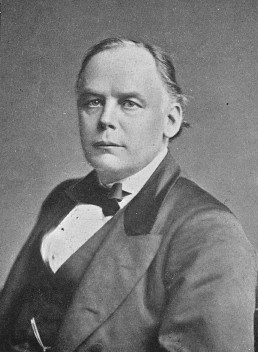
Charles Bradlaugh
Charles Bradlaugh
1833-1891
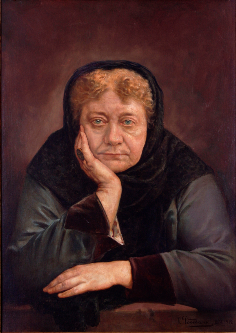
H. P. Blavatsky
H. P. Blavatsky
1831-1891
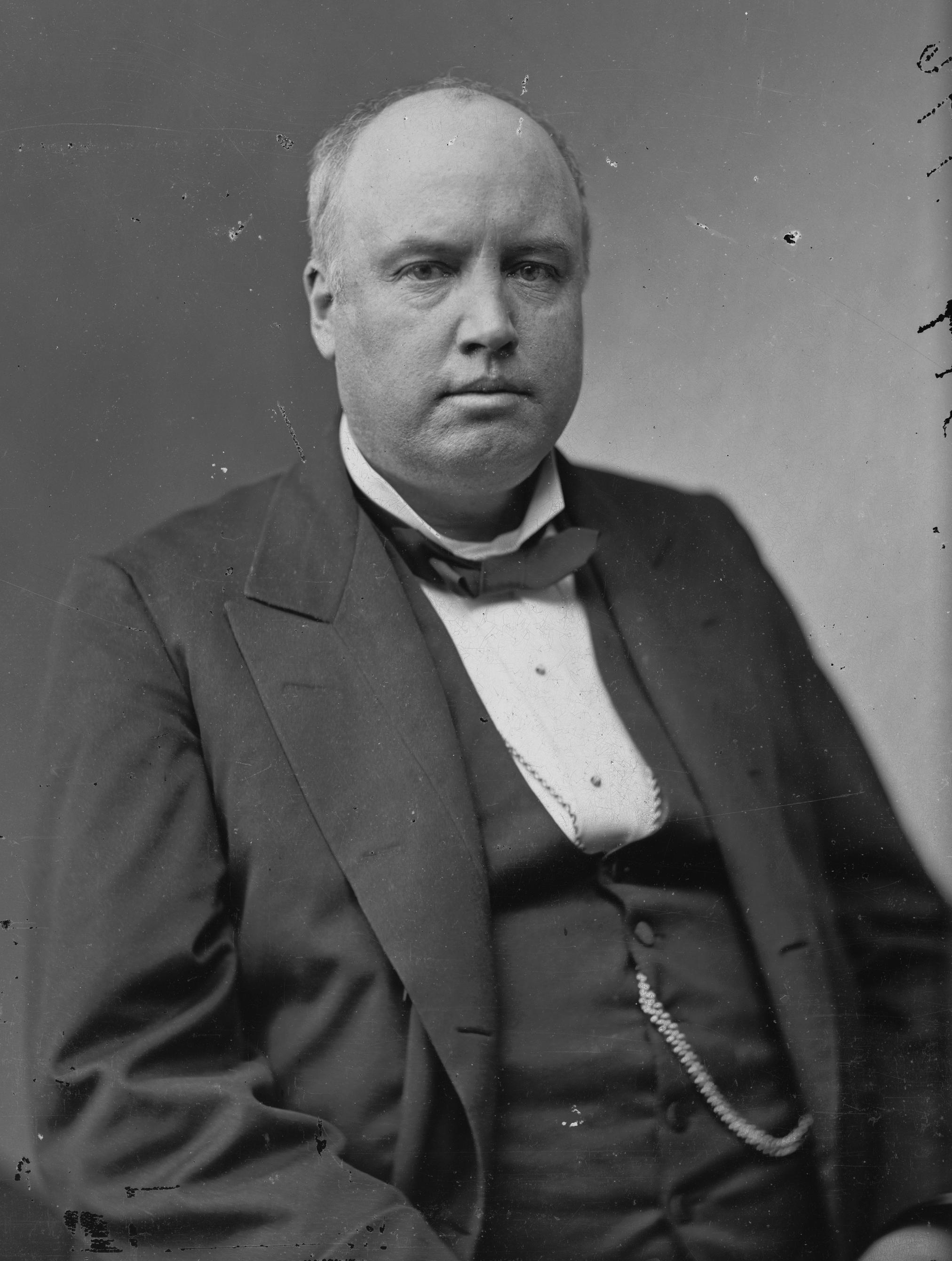
Robert Green Ingersoll
1833-1899
Alexander Whyte
Alexander Whyte
1836-1921
Dwight Lyman Moody
Dwight Lyman Moody
1837-1899
F. Max Müller
1823-1900
John Fiske
John Fiske
1842-1901
Jesse Lyman Hurlbut
Jesse Lyman Hurlbut
1843-1930
Mary Baker Eddy
Mary Baker Eddy
1821-1910
Annie Besant
Annie Besant
1847-1933
George Jacob Holyoake
1817-1906
Edward Hoare
Edward Hoare
1812-1894
Jaime Luciano Balmes
1810-1848
John Henry Newman
John Henry Newman
1801-1890
Paul Henri Thiry, baron d' Holbach
1723-1789
Arthur Schopenhauer
Arthur Schopenhauer
1788-1860