Lex

Browse

GenresShelvesPremiumBlog

Company

AboutJobsPartnersSell on LexAffiliates

Audio

Lex StudioVoicesFirst chapter freeAudiobook pricingAudiobook samplesAudiobook guidesAudio blog

Resources

DocsInvite FriendsFAQ

Legal

Terms of ServicePrivacy Policygeneral@lex-books.com+1 951-551-2243WhatsApp (international)

© 2026 LexBooks, Inc. All rights reserved.

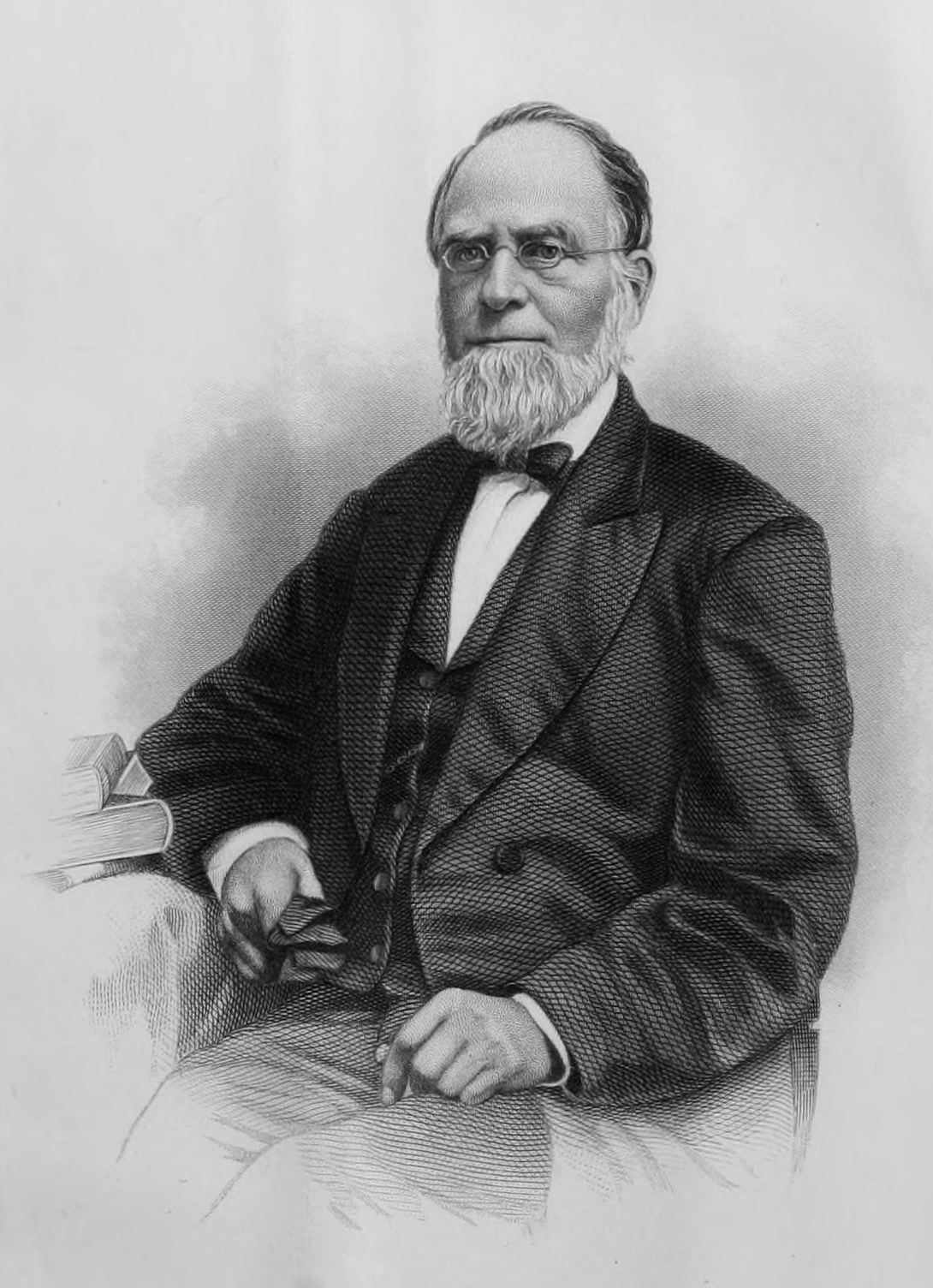
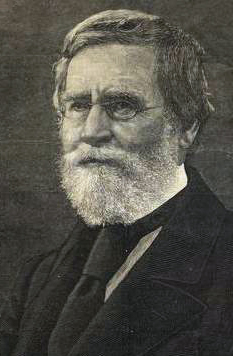
Isaac Davis

Isaac Davis was an American author and historian, best known for his detailed accounts of local history and community life in the 19th century. His notable work, "Sketches of Fifteen Members of Worcester Fire Society," provides a vivid portrayal of the individuals who contributed to the firefighting efforts in Worcester, Massachusetts. Through these sketches, Davis not only chronicled the lives of these men but also highlighted the importance of community service and civic duty during a time when urbanization was rapidly changing American society. Davis's writings reflect a deep appreciation for the local history and the social fabric of his time. His ability to weave personal narratives with broader historical contexts made his work significant for both contemporary readers and future historians. By documenting the experiences and contributions of ordinary citizens, Davis helped preserve the legacy of local heroes and the spirit of community engagement. His work remains a valuable resource for understanding the social dynamics of 19th-century America, particularly in the realm of volunteerism and public service.

Famous Quotes

View all 4 quotes

“Stiles: [Discussing who could be controlling the Kanima] Hey. What if it's Matt? I mean, this whole thing comes back to the video, right? Scott McCall: Danny said that Matt was the one who found the two hours of footage missing. Stiles: Exactly! He's trying to throw suspicion off himself. Scott McCall: So he makes Jackson kill Isaac's dad, one of Argent's hunters, and the mechanic working on your jeep? Stiles: Yes! Scott McCall: Why? Stiles: Because... He's evil. Scott McCall: You just don't like him. Stiles: The guy - Bugs me. I don't know what it is. Just look at his face.””

“The plea for ethical veganism, which rejects the treatment of birds and other animals as a food source or other commodity, is sometimes mistaken as a plea for dietary purity and elitism, as if formalistic food exercises and barren piety were the point of the desire to get the slaughterhouse out of one’s kitchen and one’s system. Abstractions such as 'vegetarianism' and 'veganism' mask the experiential and philosophical roots of a plant-based diet. They make the realities of 'food' animal production and consumption seem abstract and trivial, mere matters of ideological preference and consequence, or of individual taste, like selecting a shirt, or hair color.However, the decision that has led millions of people to stop eating other animals is not rooted in arid adherence to diet or dogma, but in the desire to eliminate the kinds of experiences that using animals for food confers upon beings with feelings. The philosophic vegetarian believes with Isaac Bashevis Singer that even if God or Nature sides with the killers, one is obliged to protest. The human commitment to harmony, justice, peace, and love is ironic as long as we continue to support the suffering and shame of the slaughterhouse and its satellite operations.Vegetarians do not eat animals, but, according to the traditional use of the term, they may choose to consume dairy products and eggs, in which case they are called lacto-ovo (milk and egg) vegetarians. In reality, the distinction between meat on the one hand and dairy products and eggs on the other is moot, as the production of milk and eggs involves as much cruelty and killing as meat production does: surplus cockerels and calves, as well as spent hens and cows, have been slaughtered, bludgeoned, drowned, ditched, and buried alive through the ages. Spent commercial dairy cows and laying hens endure agonizing days of pre-slaughter starvation and long trips to the slaughterhouse because of their low market value.””

Prisoned Chickens Poisoned Eggs: An Inside Look at the Modern Poultry Industry

“In Genesis 22, Abraham believed by faith that God would provide a sacrifice on the mountain. He didn’t know how, but He knew two things. That God had promised to bless him through the seed of Isaac and that God never goes back on a promise. By faith, we believe God provides and we hold to the truth that He will not lie. That was the promise and I was determined to protect and nurture that seed until it grew.””

The Life-Changing Experience of Hearing God's Voice and Following His Divine Direction: The Fervent Prayers of a Warrior Mom

Books from the author

right arrow

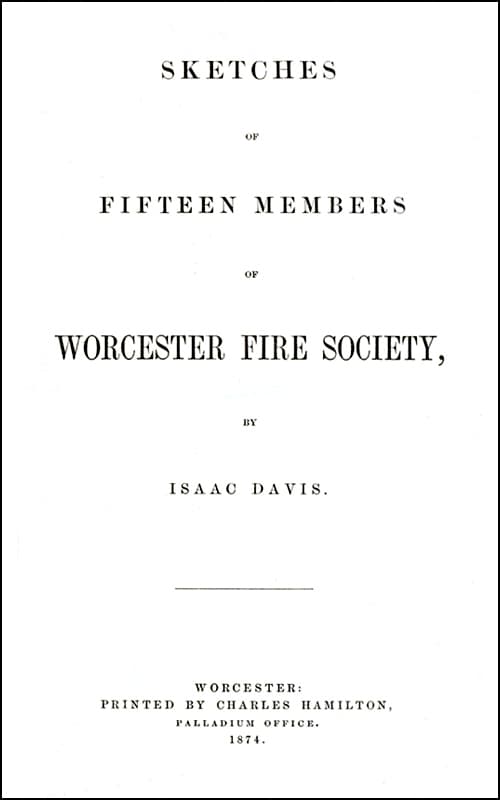
Sketches ofFifteenMembers ofWorcester...

Isaac Davis

Sketches of Fifteen Members of Worcester Fire Society

More authors like this

right arrow
John S. C. Abbott
John S. C. Abbott
1805-1877
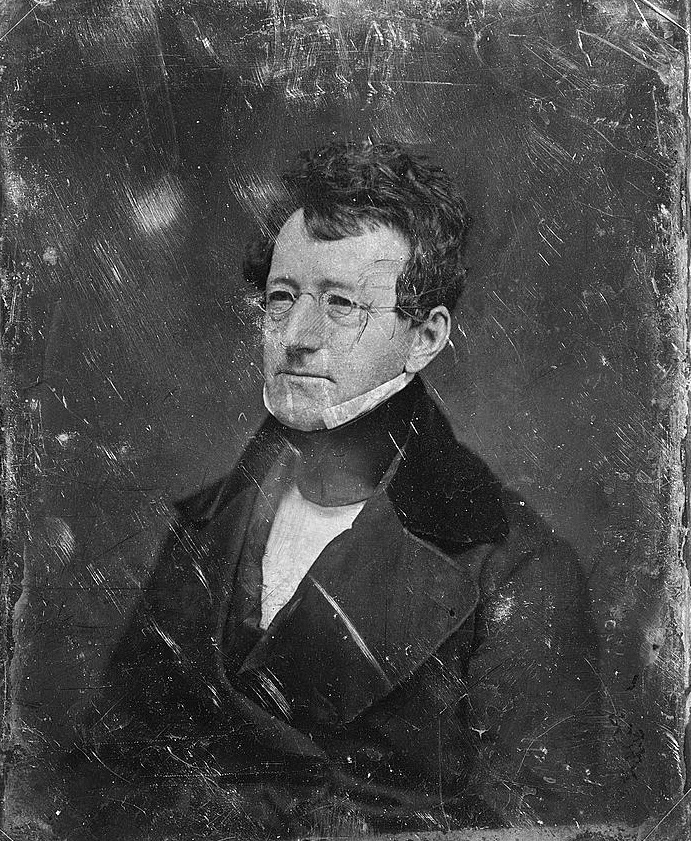
Samuel G. Goodrich
Samuel G. Goodrich
1793-1860
Abraham Lincoln
Abraham Lincoln
1809-1865
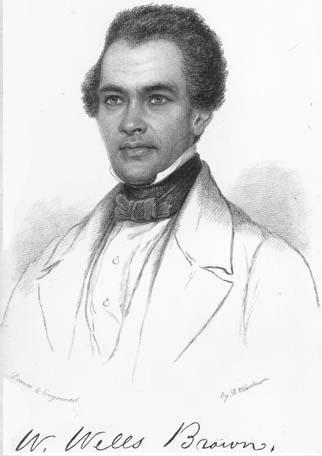
William Wells Brown
William Wells Brown
1814-1884
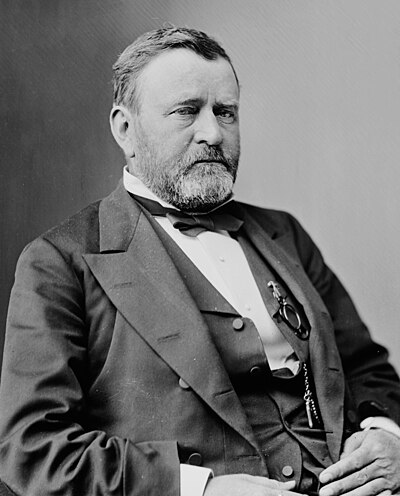
Ulysses S. Grant
Ulysses S. Grant
1822-1885
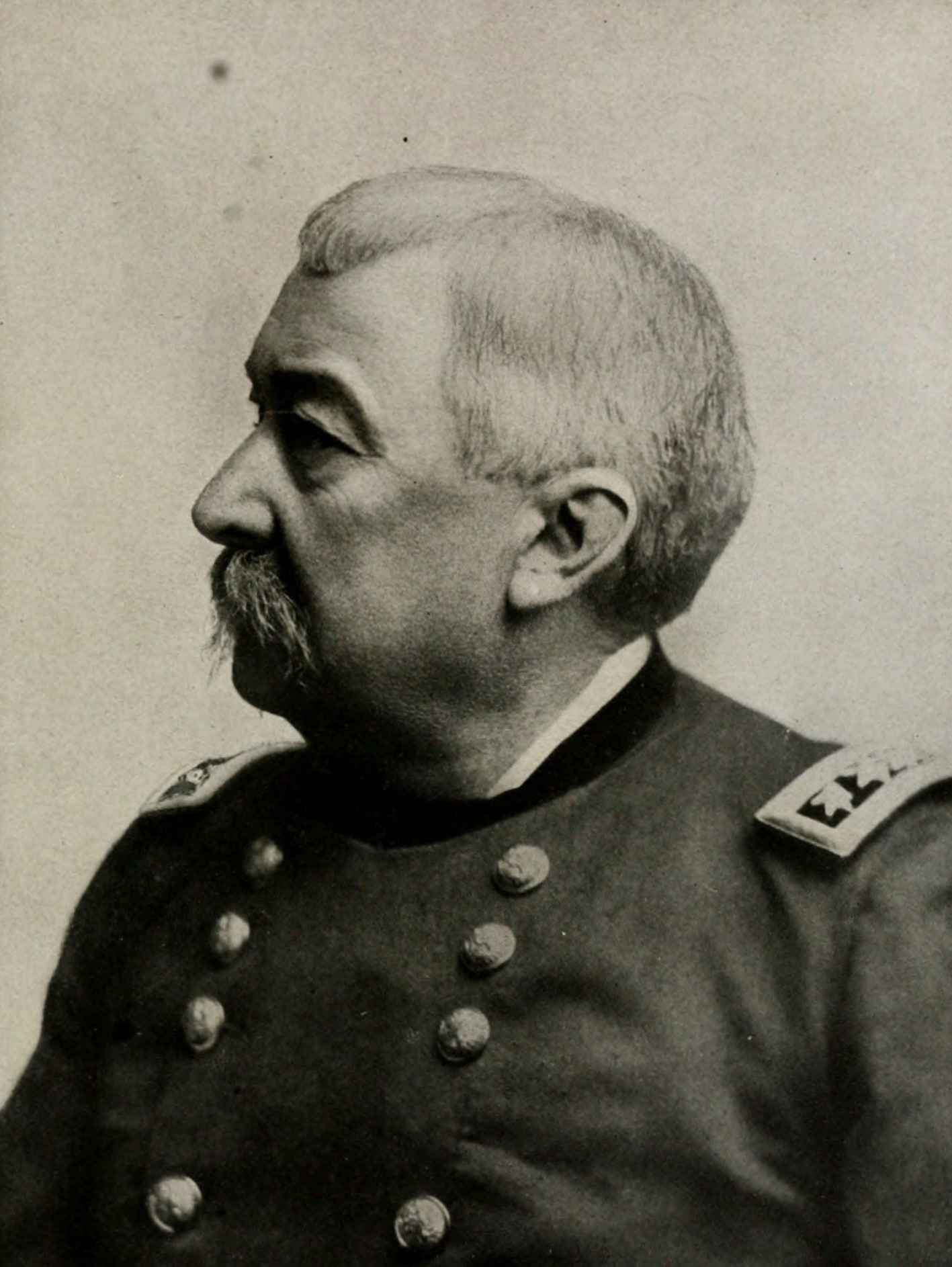
Philip Henry Sheridan
1831-1888
William Elliot Griffis
1843-1928
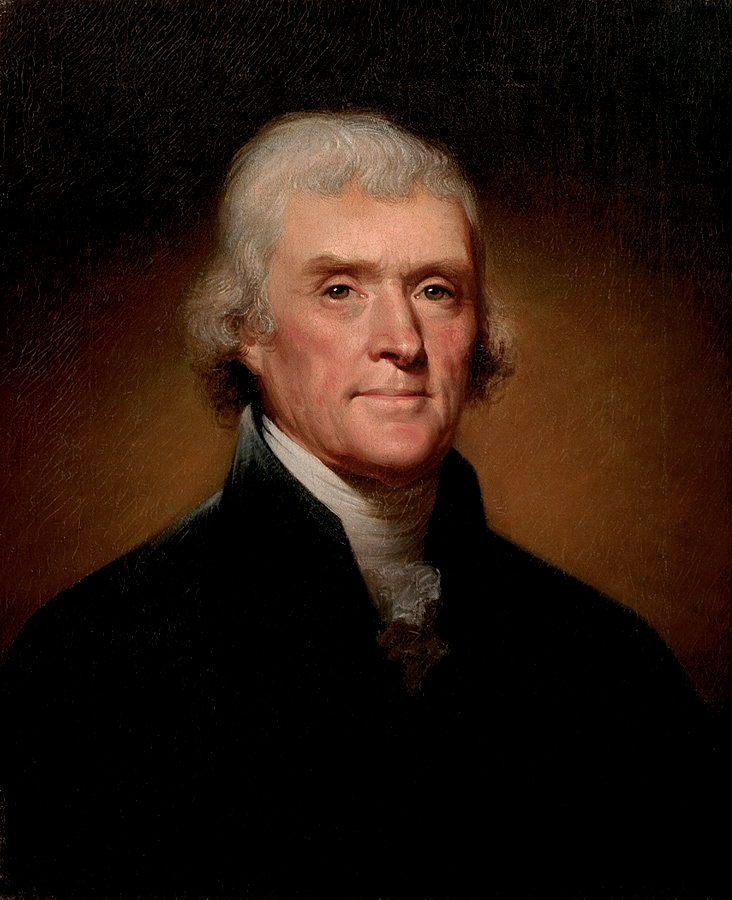
Thomas Jefferson
Thomas Jefferson
1743-1826
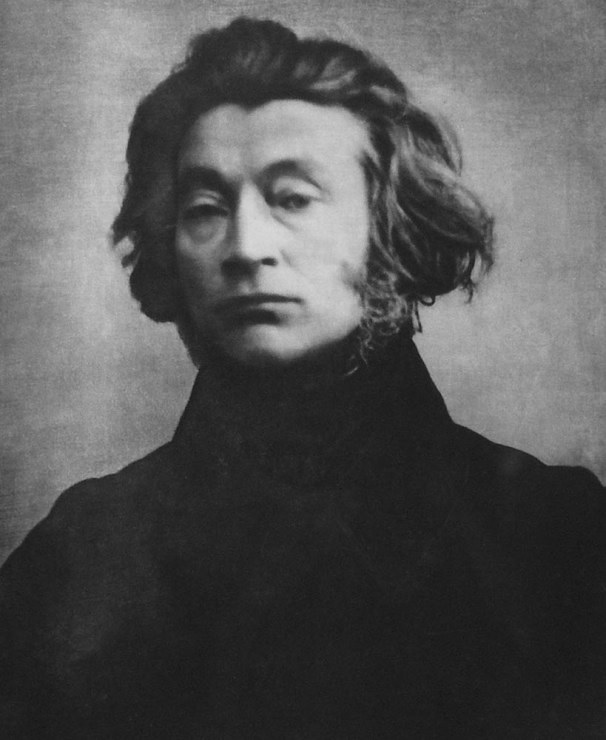
Adam Mickiewicz
Adam Mickiewicz
1798-1855
J. Jay Smith
1798-1881
Ida Pfeiffer
Ida Pfeiffer
1797-1858
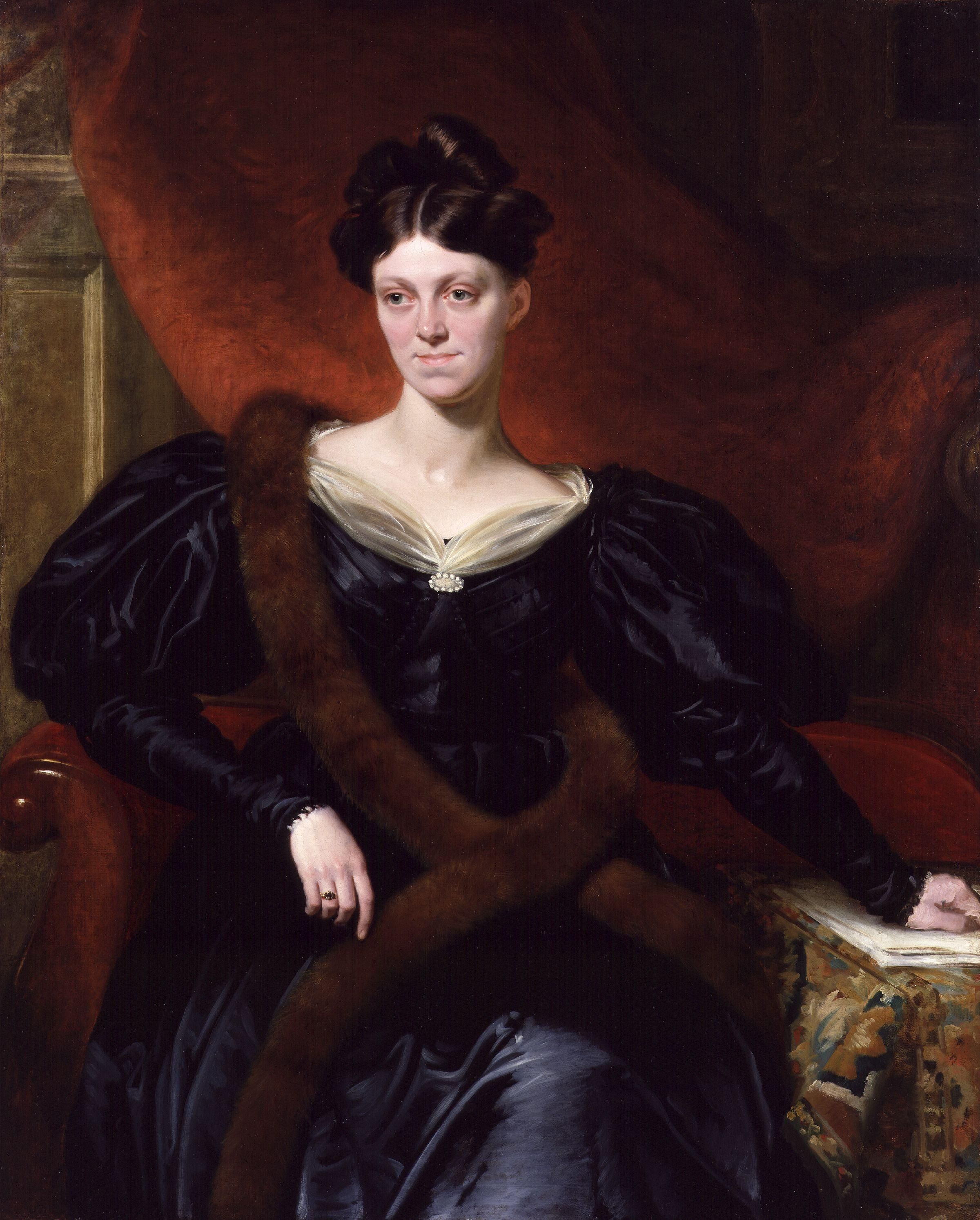
Harriet Martineau
Harriet Martineau
1802-1876
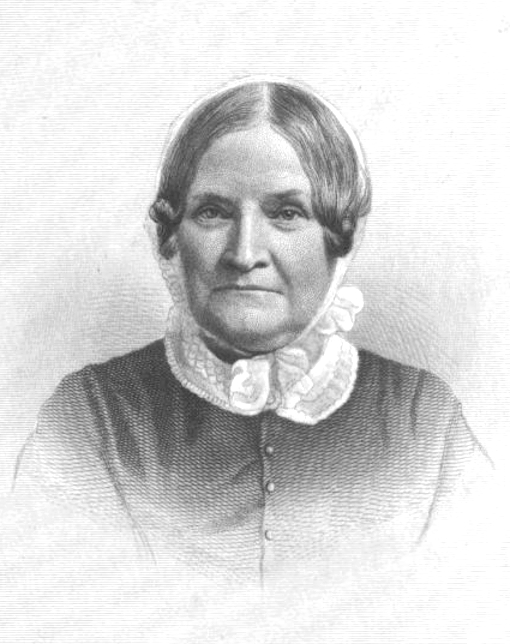
Lydia Maria Child
Lydia Maria Child
1802-1880
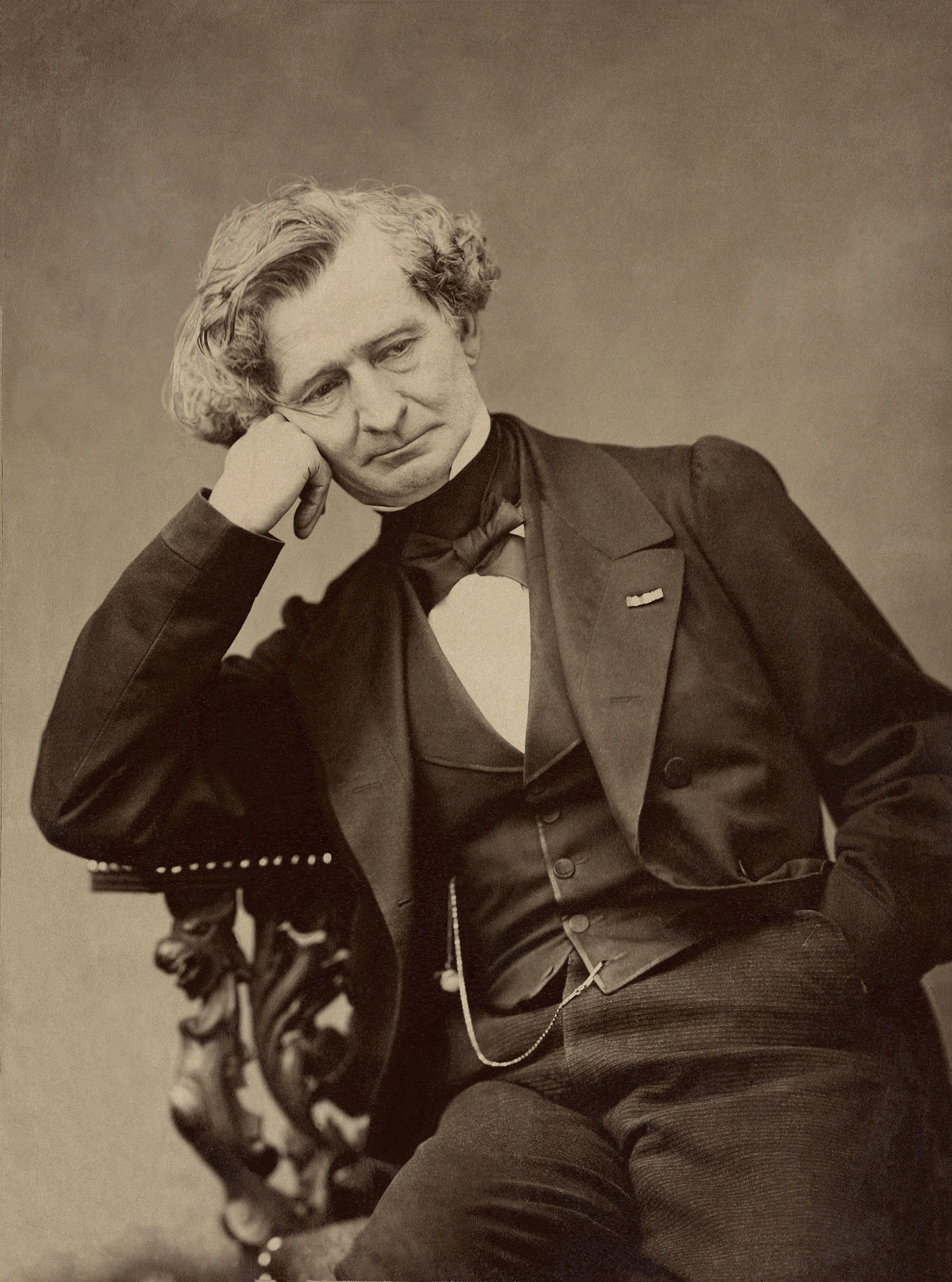
Hector Berlioz
Hector Berlioz
1803-1869
Jacob Abbott
Jacob Abbott
1803-1879
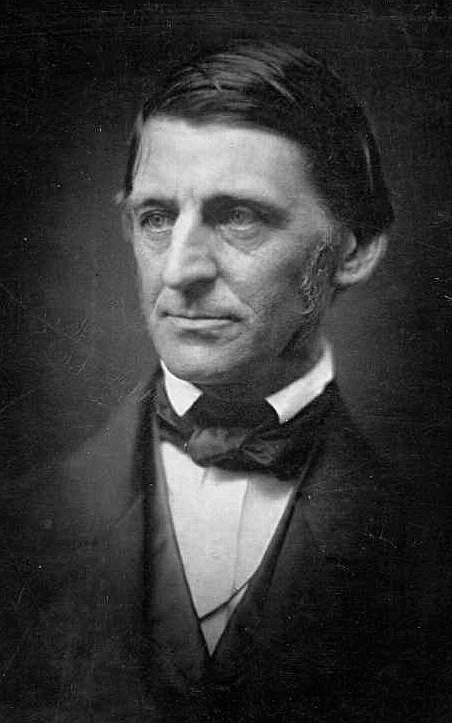
Ralph Waldo Emerson
Ralph Waldo Emerson
1803-1882

Link to this page

Add a free, dofollow link to Lex on your blog, forum, syllabus, or reading list.

Isaac Davis on Lex
HTML
<a href="https://lex-books.com/author/isaac-davis"><img src="https://lex-books.com/badges/read-on-lex.svg" alt="Isaac Davis on Lex" width="160" height="40"></a>
Markdown
[![Isaac Davis on Lex](https://lex-books.com/badges/read-on-lex.svg)](https://lex-books.com/author/isaac-davis)
BBCode
[url=https://lex-books.com/author/isaac-davis][img]https://lex-books.com/badges/read-on-lex.svg[/img][/url]
Plain link
Isaac Davis on Lex: https://lex-books.com/author/isaac-davis