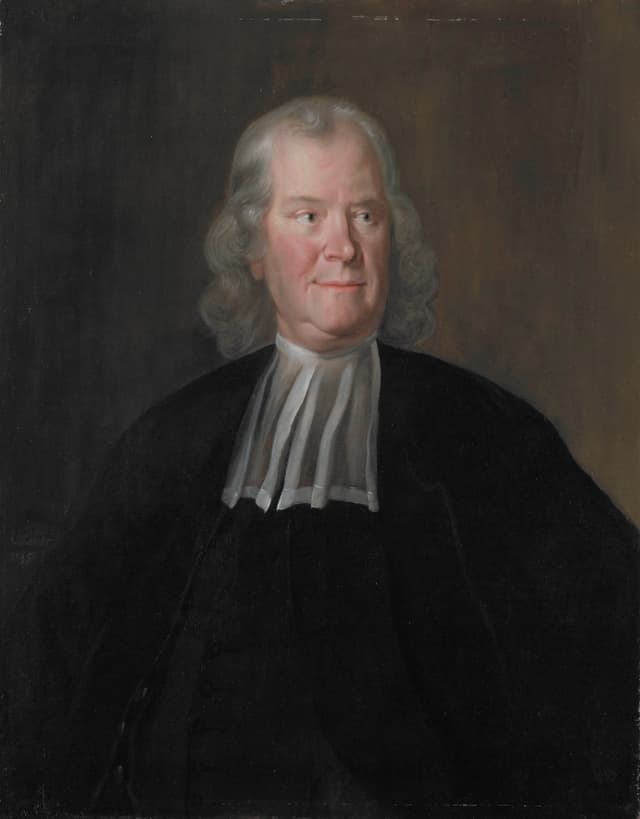
Herman Boerhaave
Herman Boerhaave was a prominent Dutch chemist, botanist, and physician, often celebrated as a pioneer in clinical teaching and the modern academic hospital. His innovative approach to medicine emphasized a quantitative methodology, which he developed alongside his student Albrecht von Haller. Boerhaave's significant contributions included the first successful isolation of urea from urine and the introduction of thermometer measurements into clinical practice, marking a transformative shift in medical diagnostics. His guiding principle, 'Simplicity is the sign of the truth,' encapsulated his belief in the clarity and precision of scientific inquiry. Regarded as the 'Dutch Hippocrates,' Boerhaave's influence extended beyond his immediate contributions to medicine; he shaped the future of medical education and practice. His work laid the groundwork for a more systematic and empirical approach to health care, which would resonate through the centuries. Boerhaave's legacy is reflected in the enduring principles of clinical observation and the integration of chemistry into medical science, making him a key figure in the evolution of modern medicine.
Famous Quotes
View all 1 quotes“Simplicity is the seal of truth!”
Books from the author





Link to this page
Add a free, dofollow link to Lex on your blog, forum, syllabus, or reading list.

<a href="https://lex-books.com/author/herman-boerhaave"><img src="https://lex-books.com/badges/read-on-lex.svg" alt="Herman Boerhaave on Lex" width="160" height="40"></a>[](https://lex-books.com/author/herman-boerhaave)[url=https://lex-books.com/author/herman-boerhaave][img]https://lex-books.com/badges/read-on-lex.svg[/img][/url]Herman Boerhaave on Lex: https://lex-books.com/author/herman-boerhaave