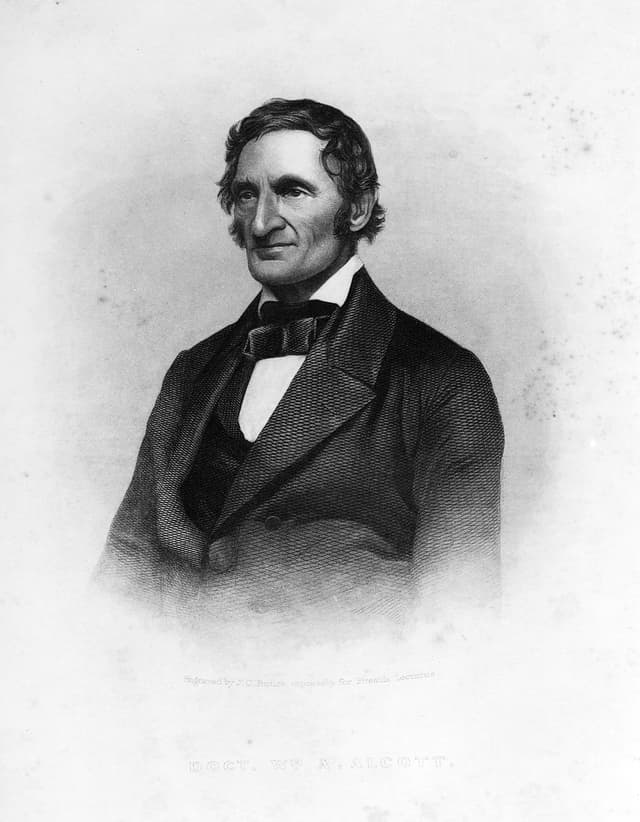
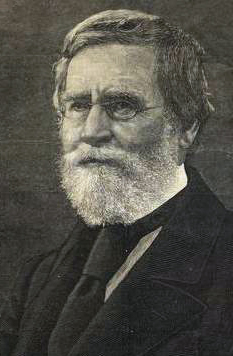
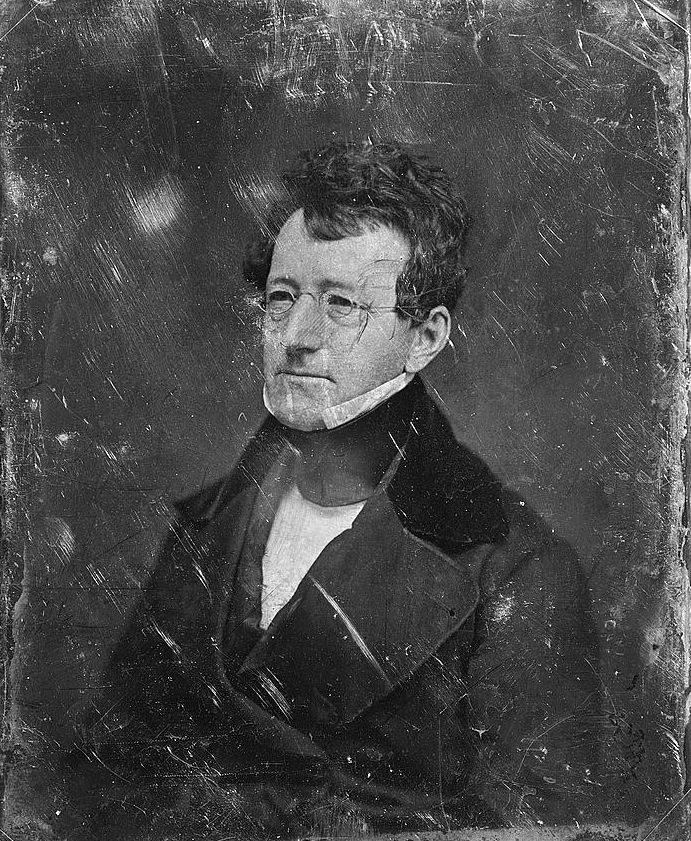
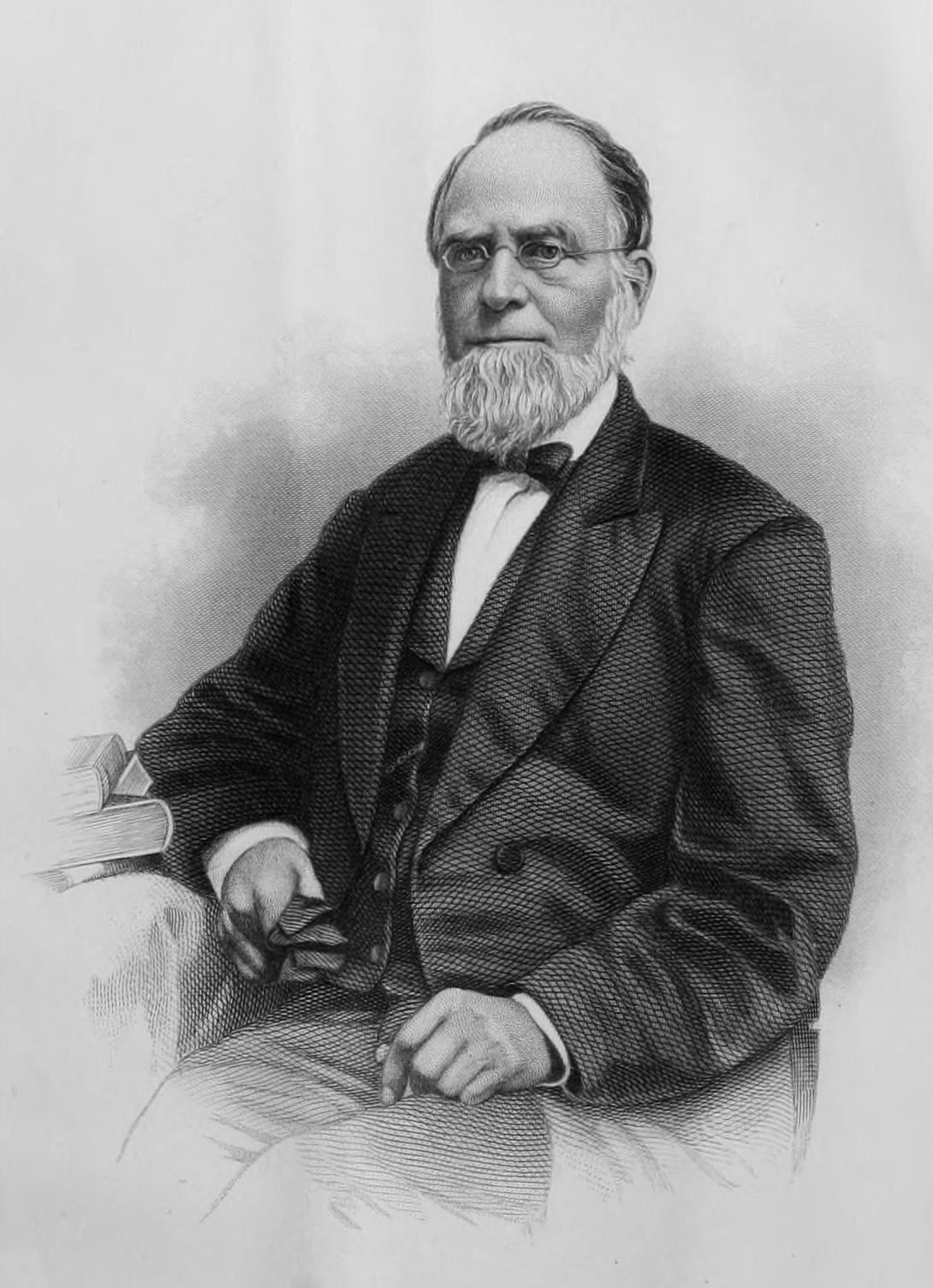
William A. Alcott
William A. Alcott was an American physician, educator, and author, best known for his contributions to the field of health and education in the 19th century. A prominent figure in the transcendentalist movement, Alcott was a strong advocate for health reform and the importance of a balanced lifestyle. His writings often emphasized the connection between physical health and moral character, reflecting the ideals of the era. Among his notable works are 'The Young Man's Guide' and 'The House I Live In,' which provided practical advice on health, education, and personal development, aimed primarily at young readers and their families. Alcott's influence extended beyond his literary contributions; he was a key figure in the establishment of the first American health reform movement. His ideas on diet, exercise, and hygiene were considered progressive for his time and laid the groundwork for later health movements. Alcott's legacy is marked by his commitment to improving the lives of individuals through education and health awareness, making him a significant figure in American literature and social reform during the 19th century.
Famous Quotes
View all 11 quotes“He who only aims at little, will accomplish but little. Expect great things, and attempt great things.””
“He who will not work shall not eat.' Yet, so strong is the propensity to be thought 'gentlemen;' so general is this desire amongst the youth of this proud money making nation, that thousands upon thousands of them are, at this moment, in a state which may end in starvation; not so much because they are too lazy to earn their bread, as because they are too proud!””
“He who would pass the latter part of his life with honor and decency, must, when he is young, consider that he shall one day be old, and when he is old, remember that he has once been young.””
Books from the author







Link to this page
Add a free, dofollow link to Lex on your blog, forum, syllabus, or reading list.

<a href="https://lex-books.com/author/william-a-alcott"><img src="https://lex-books.com/badges/read-on-lex.svg" alt="William A. Alcott on Lex" width="160" height="40"></a>[](https://lex-books.com/author/william-a-alcott)[url=https://lex-books.com/author/william-a-alcott][img]https://lex-books.com/badges/read-on-lex.svg[/img][/url]William A. Alcott on Lex: https://lex-books.com/author/william-a-alcott