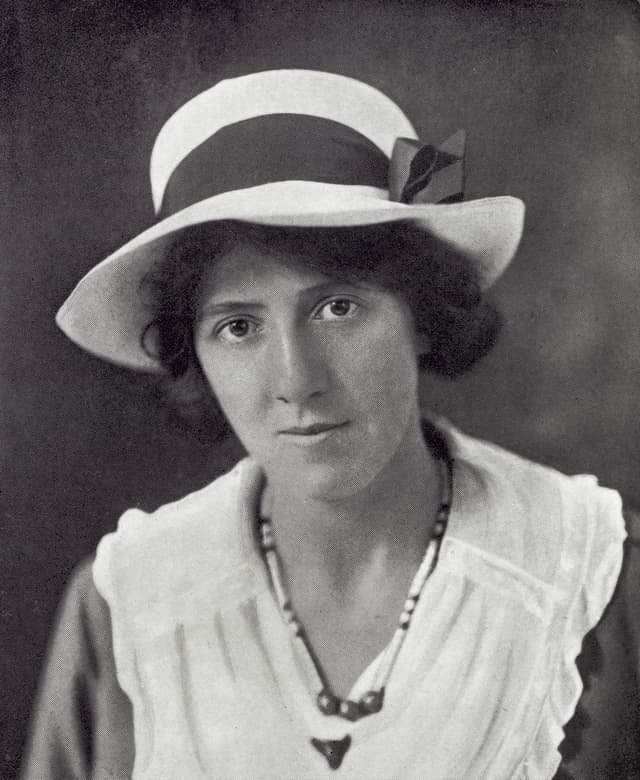
Marie Carmichael Stopes
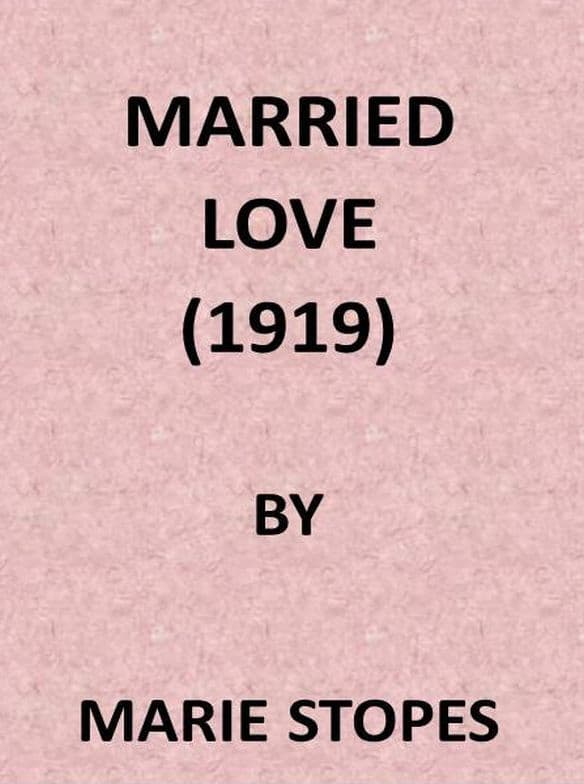
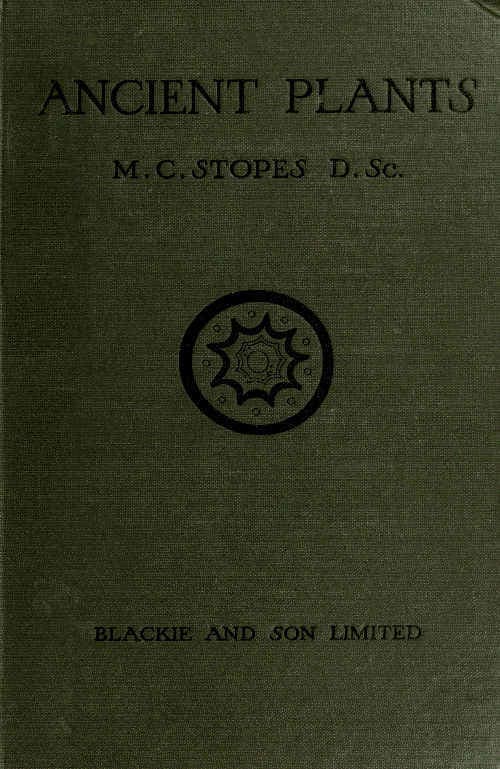
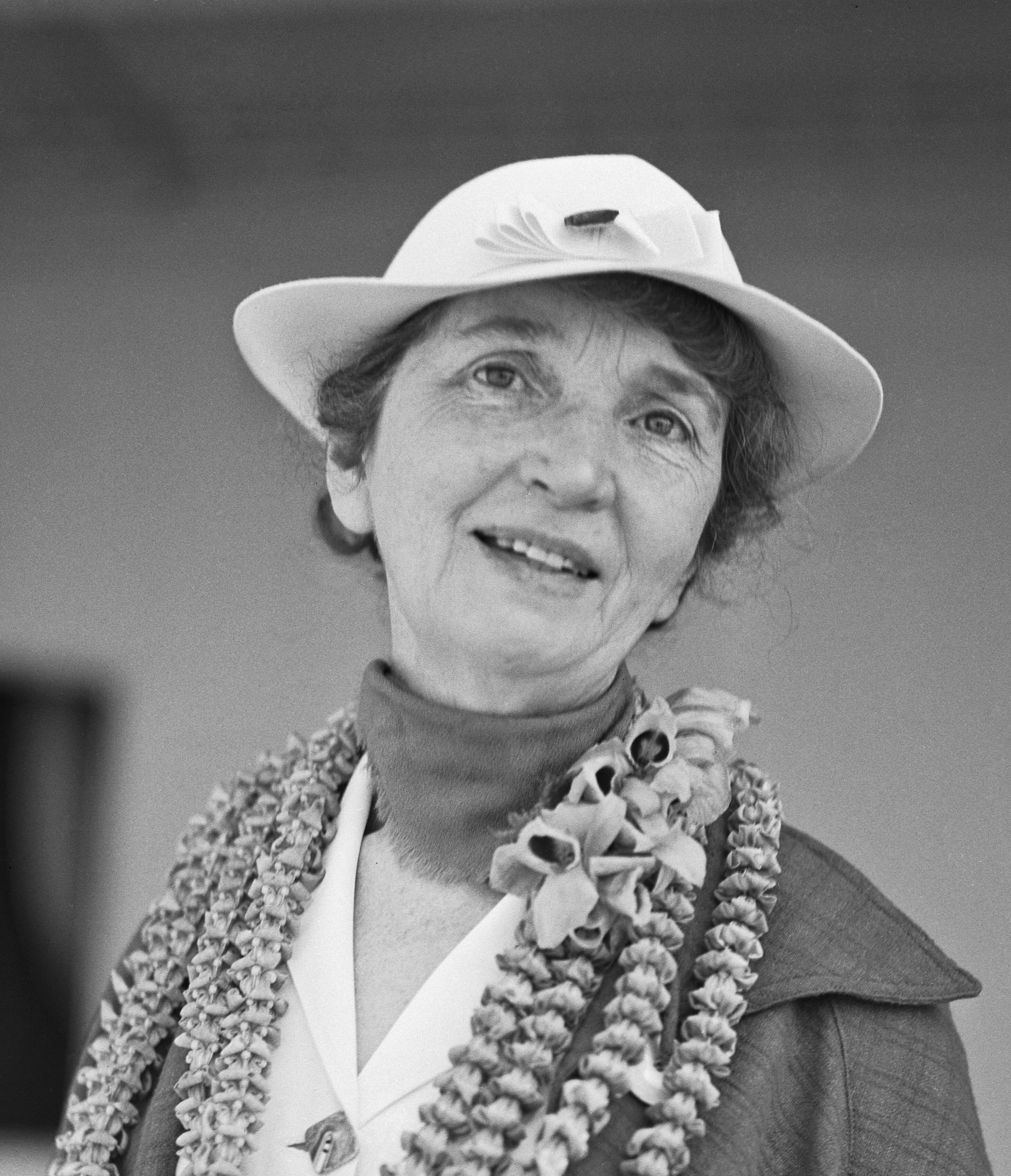
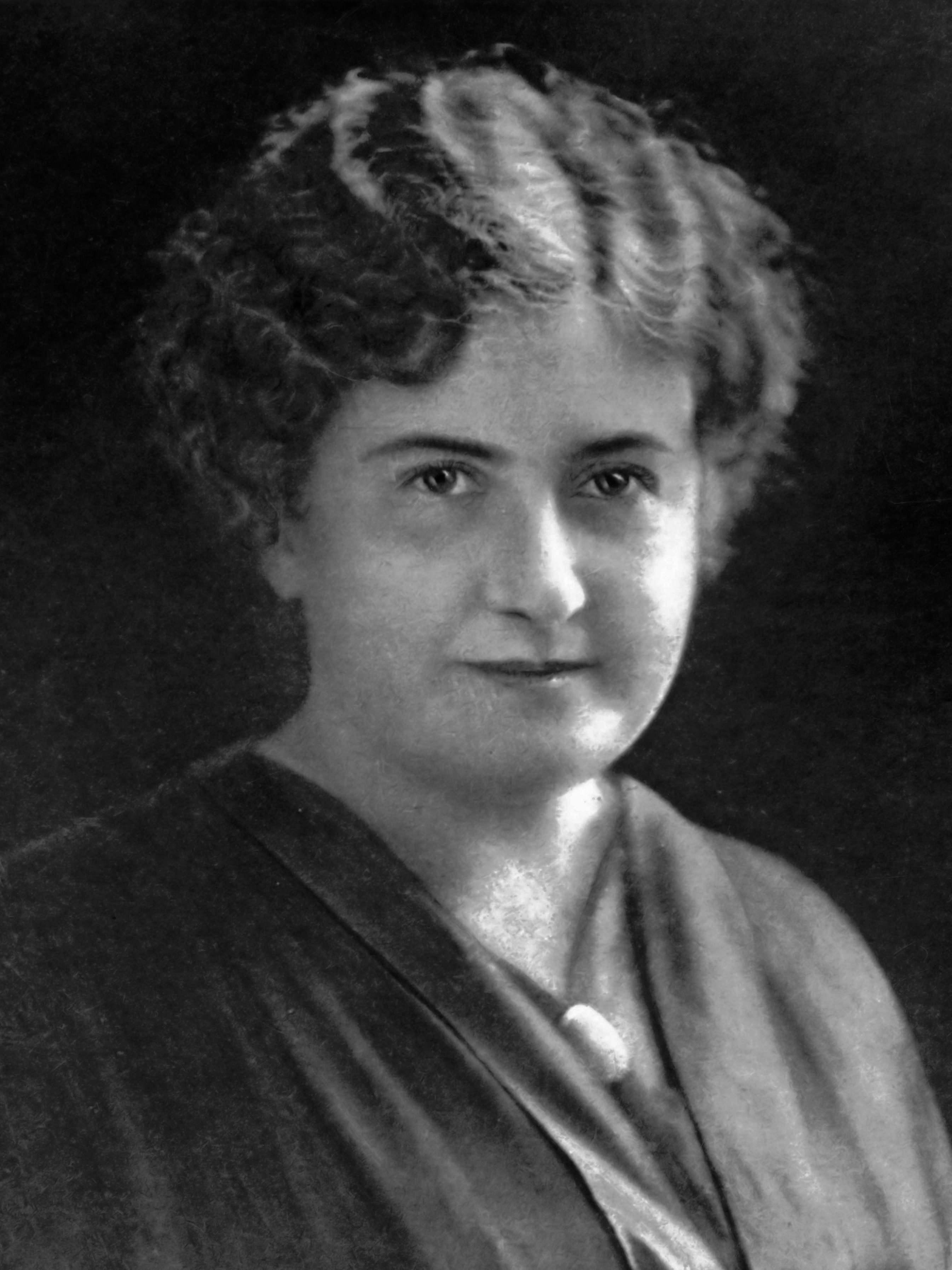
Marie Carmichael Stopes was a pioneering British author and palaeobotanist, recognized for her groundbreaking work in both science and women's rights. As the first female academic on the faculty of the University of Manchester, she made significant contributions to plant palaeontology and coal classification. However, it was her advocacy for birth control that marked her legacy. In partnership with her second husband, Humphrey Verdon Roe, Stopes established the first birth control clinic in Britain, which became synonymous with her name for much of its century-long existence. Her influential sex manual, Married Love, published in 1918, sparked controversy and played a crucial role in bringing discussions of birth control into the public sphere. Through her editorial work on Birth Control News, she provided explicit practical advice on family planning, challenging societal norms of her time. Despite her public opposition to abortion, advocating instead for the prevention of conception, her private actions sometimes contradicted her stated beliefs. Stopes's work not only advanced the conversation around women's reproductive rights but also left an indelible mark on the fields of science and social reform, solidifying her place in history as a complex and influential figure.
Books from the author







Link to this page
Add a free, dofollow link to Lex on your blog, forum, syllabus, or reading list.

<a href="https://lex-books.com/author/marie-carmichael-stopes"><img src="https://lex-books.com/badges/read-on-lex.svg" alt="Marie Carmichael Stopes on Lex" width="160" height="40"></a>[](https://lex-books.com/author/marie-carmichael-stopes)[url=https://lex-books.com/author/marie-carmichael-stopes][img]https://lex-books.com/badges/read-on-lex.svg[/img][/url]Marie Carmichael Stopes on Lex: https://lex-books.com/author/marie-carmichael-stopes