
Georges Louis Leclerc, comte de Buffon
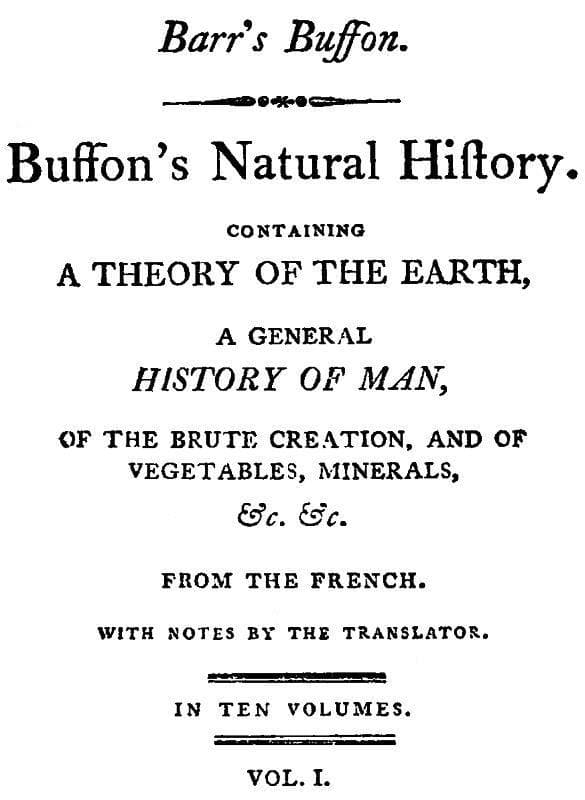
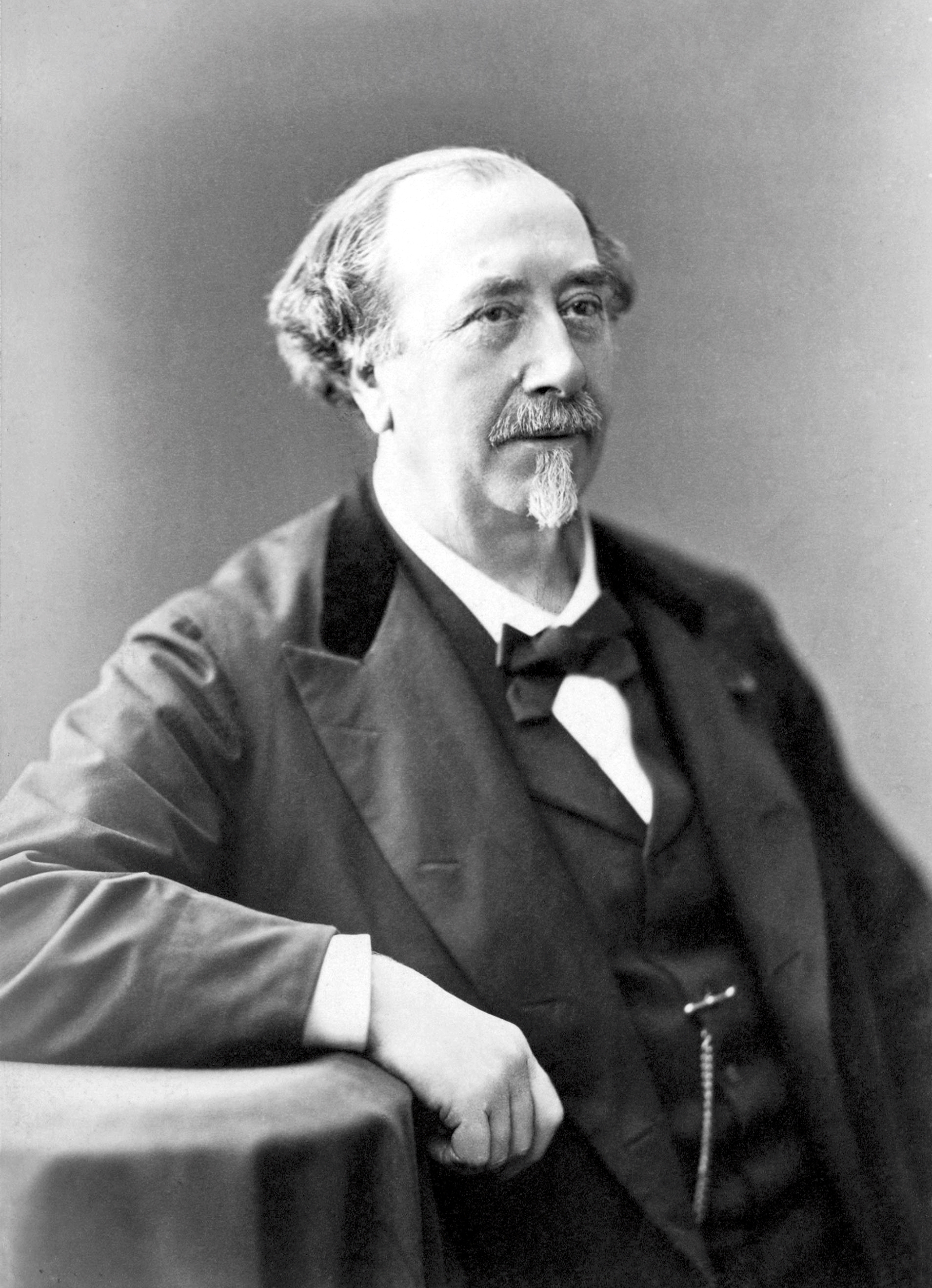
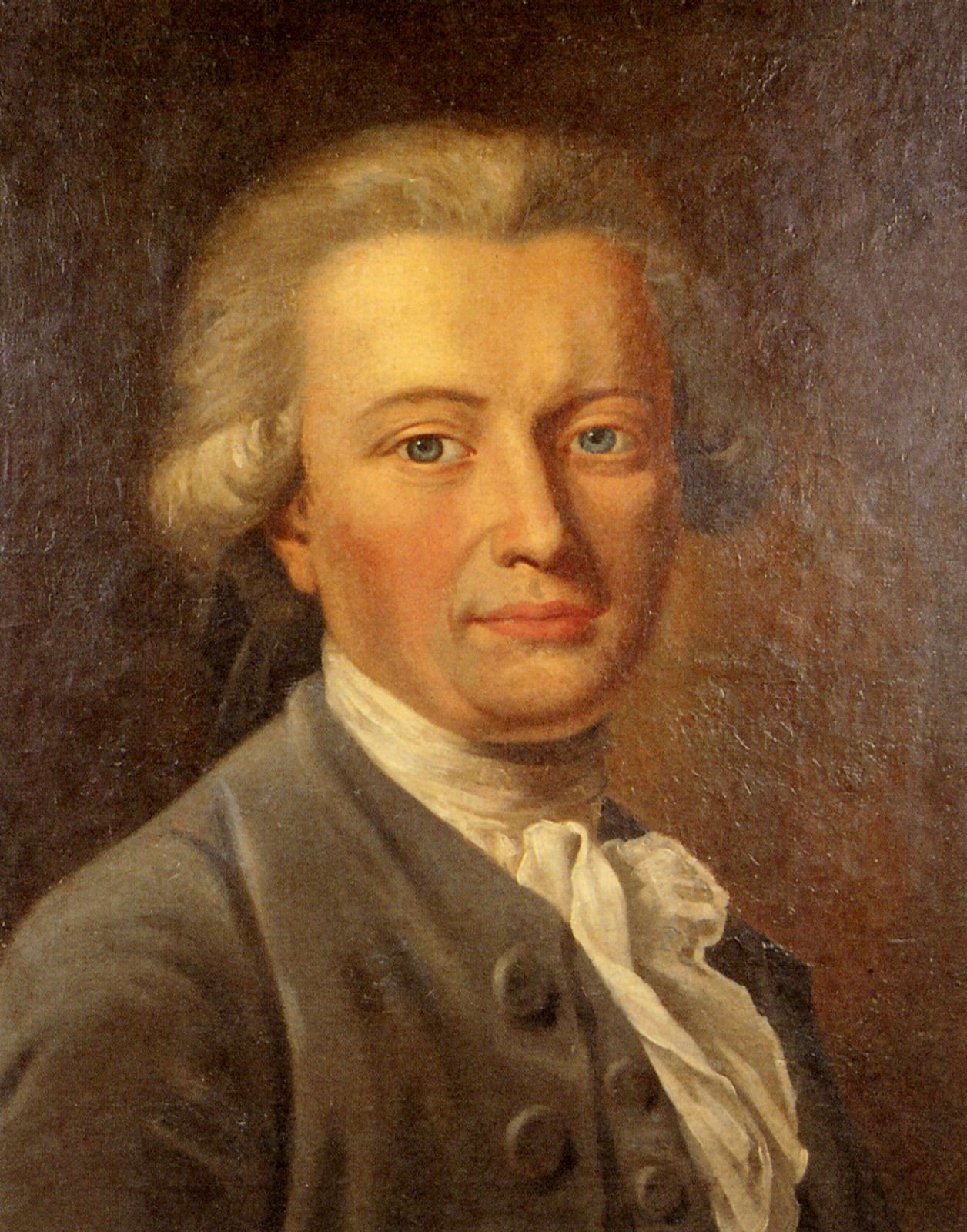
Georges Louis Leclerc, comte de Buffon, was a prominent French naturalist, mathematician, and cosmologist whose work laid the groundwork for modern biology. Born in Montbard, France, Buffon was educated in law but soon turned his attention to the natural sciences. His most significant contribution, 'Histoire Naturelle, générale et particulière,' published in multiple volumes between 1749 and 1788, sought to catalog and explain the diversity of life on Earth. Buffon's approach was revolutionary; he emphasized observation and classification, challenging the prevailing views of his time and advocating for a more empirical understanding of nature. Buffon's ideas about species and their variability were particularly influential, foreshadowing the principles of evolution that would later be articulated by Charles Darwin. He argued that species were not immutable and could change over time, a radical notion that stirred controversy among his contemporaries. Buffon's work also encompassed topics such as geology, meteorology, and the relationship between living organisms and their environments, making him a pivotal figure in the Enlightenment's scientific revolution. His legacy endures in the fields of natural history and biology, where his insistence on observation and classification continues to resonate.
Books from the author

Link to this page
Add a free, dofollow link to Lex on your blog, forum, syllabus, or reading list.

<a href="https://lex-books.com/author/georges-louis-leclerc-comte-de-buffon"><img src="https://lex-books.com/badges/read-on-lex.svg" alt="Georges Louis Leclerc, comte de Buffon on Lex" width="160" height="40"></a>[](https://lex-books.com/author/georges-louis-leclerc-comte-de-buffon)[url=https://lex-books.com/author/georges-louis-leclerc-comte-de-buffon][img]https://lex-books.com/badges/read-on-lex.svg[/img][/url]Georges Louis Leclerc, comte de Buffon on Lex: https://lex-books.com/author/georges-louis-leclerc-comte-de-buffon