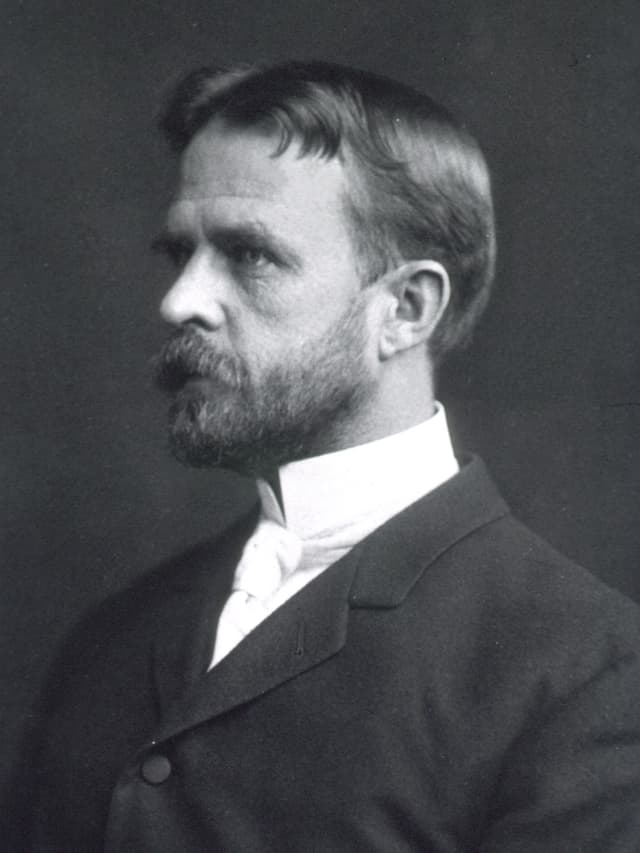
Thomas Hunt Morgan
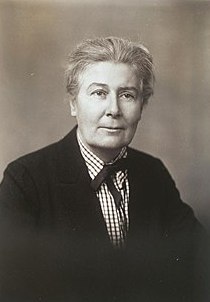
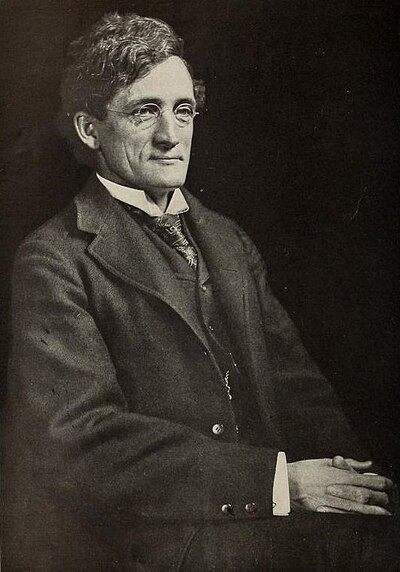
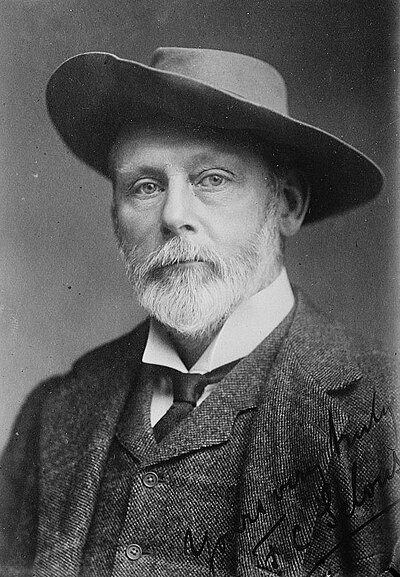
Thomas Hunt Morgan was a pioneering American evolutionary biologist and geneticist whose groundbreaking research laid the foundation for modern genetics. He earned his Ph.D. in zoology from Johns Hopkins University in 1890 and initially focused on embryology at Bryn Mawr College. However, his career took a transformative turn after the rediscovery of Mendelian inheritance in 1900, prompting him to explore the genetic characteristics of the fruit fly, Drosophila melanogaster. In the renowned Fly Room at Columbia University, Morgan's experiments revealed that genes are located on chromosomes, fundamentally altering the understanding of heredity and establishing Drosophila as a crucial model organism in genetic research. Morgan's contributions to science were recognized with the Nobel Prize in Physiology or Medicine in 1933, highlighting his pivotal role in elucidating the mechanisms of heredity. Over his illustrious career, he authored 22 books and published 370 scientific papers, influencing generations of biologists. He also founded the Division of Biology at the California Institute of Technology, which has since produced seven Nobel laureates, further cementing his legacy as a key figure in the development of genetics as a discipline.
Famous Quotes
View all 1 quotes“Except for the rare cases of plastid inheritance, the inheritance of all known cofactors can be sufficiently accounted for by the presence of genes in the chromosomes. In a word the cytoplasm may be ignored genetically.”
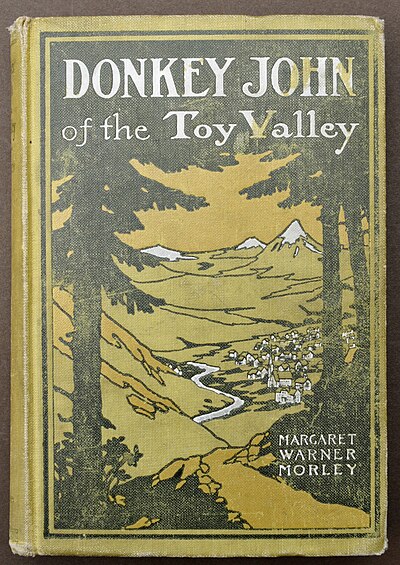
Books from the author
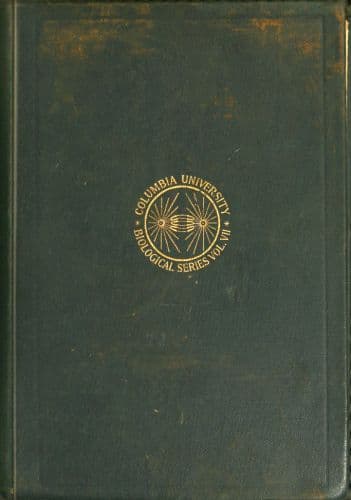
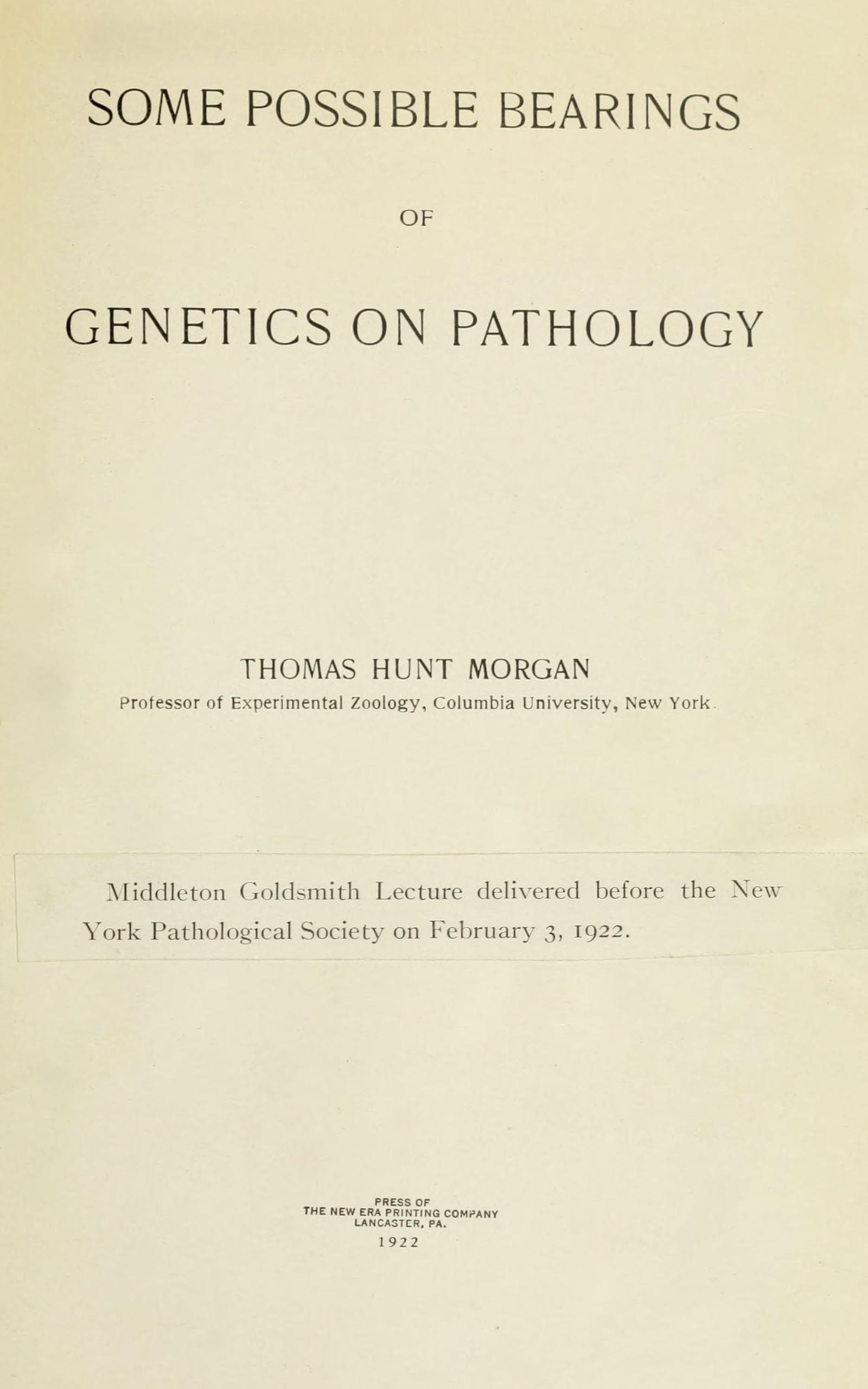




Link to this page
Add a free, dofollow link to Lex on your blog, forum, syllabus, or reading list.

<a href="https://lex-books.com/author/thomas-hunt-morgan"><img src="https://lex-books.com/badges/read-on-lex.svg" alt="Thomas Hunt Morgan on Lex" width="160" height="40"></a>[](https://lex-books.com/author/thomas-hunt-morgan)[url=https://lex-books.com/author/thomas-hunt-morgan][img]https://lex-books.com/badges/read-on-lex.svg[/img][/url]Thomas Hunt Morgan on Lex: https://lex-books.com/author/thomas-hunt-morgan