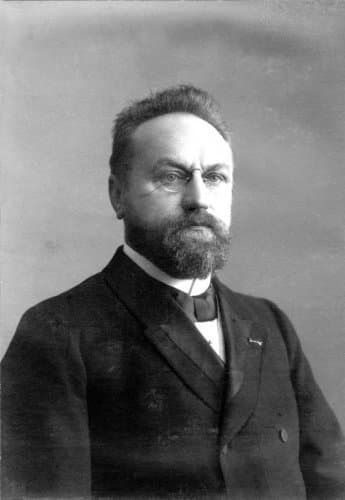
Herman Bavinck
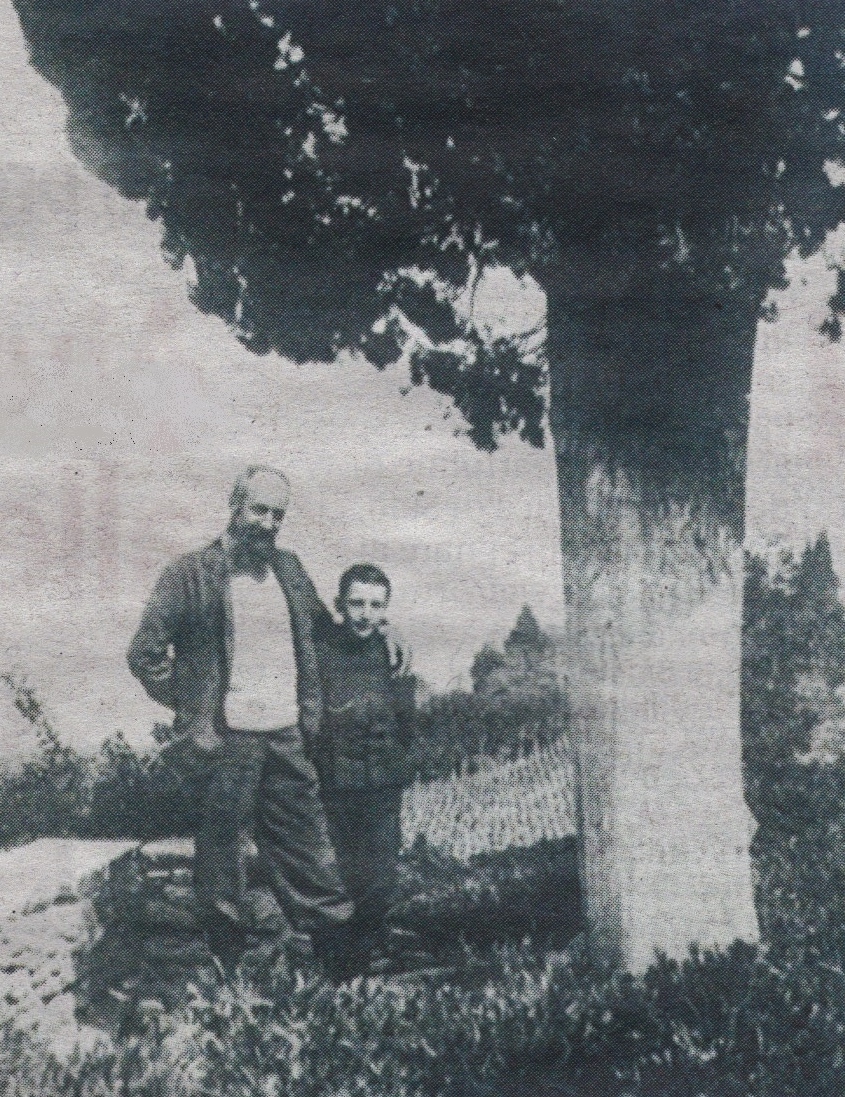
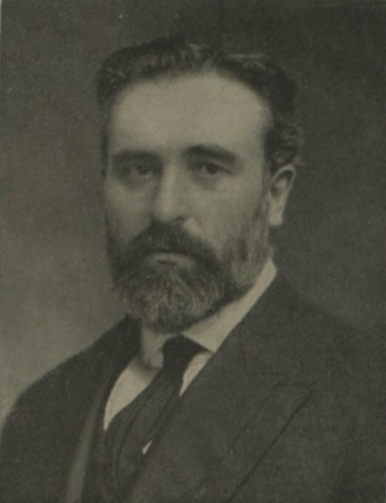
Herman Bavinck was a prominent Dutch Calvinist theologian whose work significantly shaped Reformed theology in the late 19th and early 20th centuries. He was known for his comprehensive approach to theology, integrating philosophy, science, and culture within a Calvinist framework. Bavinck's most notable work, 'Reformed Dogmatics,' is a multi-volume systematic theology that remains influential among theologians and scholars today. His writings emphasized the importance of a robust theological understanding that engaged with contemporary issues, making him a key figure in the development of modern Reformed thought. In addition to his theological contributions, Bavinck was an active churchman and educator, serving as a professor at the Free University of Amsterdam. His collaboration with other notable theologians, such as Abraham Kuyper, positioned him at the forefront of the Neo-Calvinist movement, which sought to apply Reformed principles to all areas of life. Bavinck's legacy endures through his writings and the impact he had on subsequent generations of theologians, who continue to draw from his insights into the relationship between faith and culture.
Famous Quotes
View all 3 quotes“The Gospel is temporary, but the law is eternal and is restored precisely through the Gospel. Freedom from the law consists, then, not in the fact that the Christian has nothing more to do with the law, but lies in the fact that the law demands nothing more from the Christian as a condition of salvation. The law can no longer judge and condemn him. Instead he delights in the law of God according to the inner man and yearns for it day and night.”
“The resurrection is the fundamental restoration of all culture.”
“The conclusion, therefore, is that of Augustine, who said that the heart of man was created for God and that it cannot find rest until it rests in his Father’s heart. Hence all men are really seeking after God, as Augustine also declared, but they do not all seek Him in the right way, nor at the right place. They seek Him down below, and He is up above. They seek Him on the earth, and He is in heaven. They seek Him afar, and He is nearby. They seek Him in money, in property, in fame, in power, and in passion; and He is to be found in the high and the holy places, and with him that is of a contrite and humble spirit (Isa. 57:15). But they do seek Him, if haply they might feel after Him and find Him (Acts 17:27). They seek Him and at the same time they flee Him. They have no interest in a knowledge of His ways, and yet they cannot do without Him. They feel themselves attracted to God and at the same time repelled by Him. In this, as Pascal so profoundly pointed out, consists the greatness and the miserableness of man. He longs for truth and is false by nature. He yearns for rest and throws himself from one diversion upon another. He pants for a permanent and eternal bliss and seizes on the pleasures of a moment. He seeks for God and loses himself in the creature. He is a born son of the house and he feeds on the husks of the swine in a strange land. He forsakes the fountain of living waters and hews out broken cisterns that can hold no water ( Jer. 2:13). He is as a hungry man who dreams that he is eating, and when he awakes finds that his soul is empty; and he is like a thirsty man who dreams that he is drinking, and when he awakes finds that he is faint and that his soul has appetite (Isa. 29:8). Science cannot explain this contradiction in man. It reckons only with his greatness and not with his misery, or only with his misery and not with his greatness. It exalts him too high, or it depresses him too far, for science does not know of his Divine origin, nor of his profound fall. But the Scriptures know of both, and they shed their light over man and over mankind; and the contradictions are reconciled, the mists are cleared, and the hidden things are revealed. Man is an enigma whose solution can be found only in God.”
Books from the author




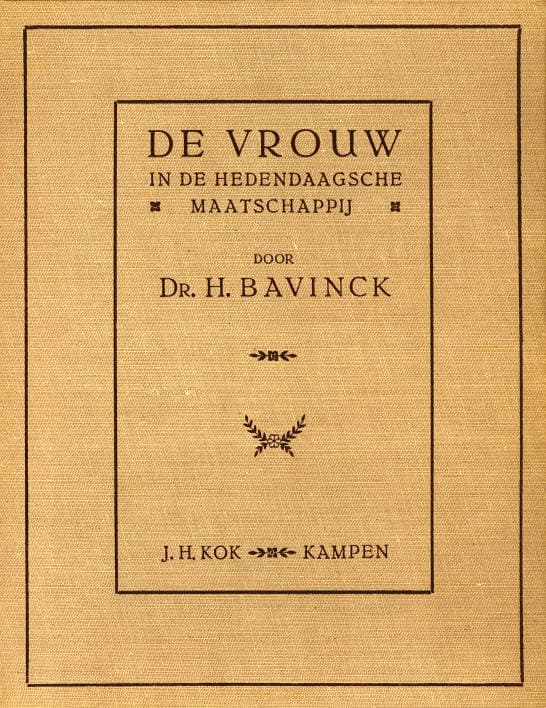




Link to this page
Add a free, dofollow link to Lex on your blog, forum, syllabus, or reading list.

<a href="https://lex-books.com/author/herman-bavinck"><img src="https://lex-books.com/badges/read-on-lex.svg" alt="Herman Bavinck on Lex" width="160" height="40"></a>[](https://lex-books.com/author/herman-bavinck)[url=https://lex-books.com/author/herman-bavinck][img]https://lex-books.com/badges/read-on-lex.svg[/img][/url]Herman Bavinck on Lex: https://lex-books.com/author/herman-bavinck