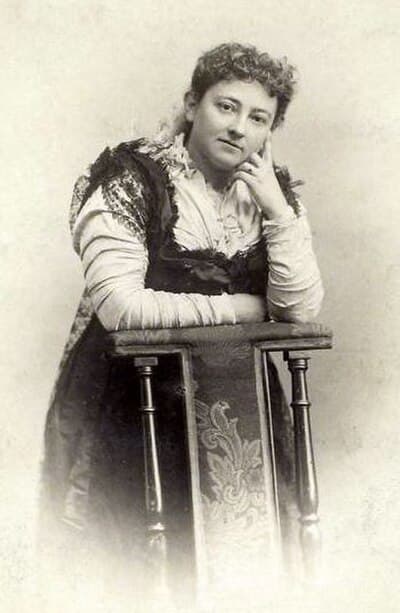
Olive Schreiner
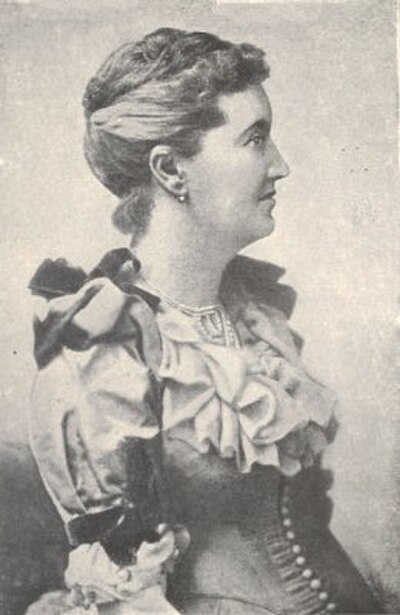
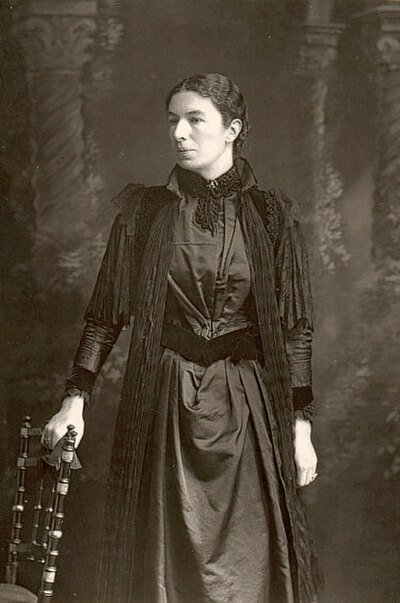
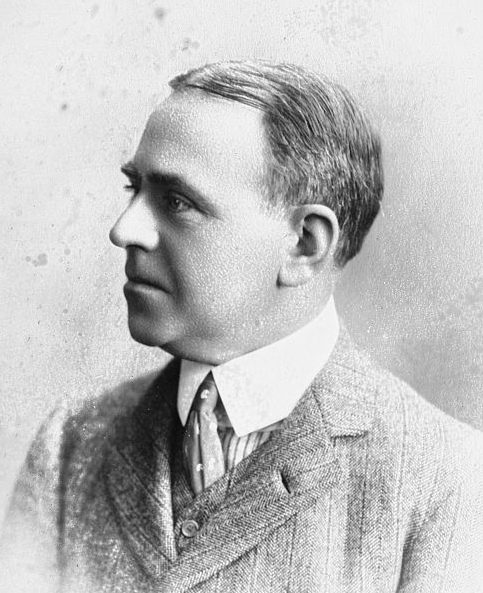
Olive Schreiner was a pioneering South African author and intellectual whose works addressed complex social issues of her time. Best known for her novel The Story of an African Farm (1883), Schreiner explored themes such as agnosticism, individualism, and the professional aspirations of women against the backdrop of colonial life. This groundbreaking novel not only challenged the norms of Victorian literature but also provided a nuanced perspective on the struggles of marginalized groups in South Africa, including indigenous blacks, Jews, and Indians. Schreiner's writing was marked by a commitment to moderation and understanding, eschewing radicalism while advocating for social justice and equality. In addition to her literary contributions, Schreiner was an active anti-war campaigner and a lifelong freethinker, blending her secular beliefs with elements of her Christian upbringing. Her later work, From Man to Man Or Perhaps Only, published posthumously in 1926, further delved into the lives of women in colonial society, highlighting the intersecting oppressions of race and gender. Though she did not complete its revisions before her death, the novel was considered her favorite and reflects her deep engagement with the complexities of identity and societal constraints. Schreiner's legacy endures as a significant voice in feminist literature and a champion for the rights of the disenfranchised in South Africa.
Famous Quotes
View all 3 quotes“The woman wanderer goes forth to seek the Land of Freedom. “How am I to get there?” Reason answers: “here is one way, and one only. Down the banks of Labour, through the water of suffering. There is no other.” The woman cries out: “For what do I go to this far land which no one has ever reached? Oh, I am alone! I am utterly alone!” But soon she hears the sounds of feet, ‘a thousand times ten thousand and thousands of thousands, and they beat this way!’ “They are the feet of those who shall follow you. Lead on.”
“I would like to say to the men and women of the generations which will come after us: you will look back at us with astonishment. You will wonder at passionate struggles that accomplished so little, at the, to you, obvious paths to attain our ends which we did not take. At the intolerable evils before which it will seem to you we sat down passive. At the great truths staring us in the face which we failed to see, at the great truths we grasped at but could not get our fingers quite 'round. You will marvel at the labour that ended in so little. But what you will never know that it was how we were thinking of you and for you that we struggled as we did and accomplished the little that we have done. That it was in the thought of your larger realization and fuller life that we have found consolation for the futilities of our own. All I aspire to be and was not, comforts me.”
“We have been so blinded by thinking and feeling that we have never seen the World.”
Books from the author


Link to this page
Add a free, dofollow link to Lex on your blog, forum, syllabus, or reading list.

<a href="https://lex-books.com/author/olive-schreiner"><img src="https://lex-books.com/badges/read-on-lex.svg" alt="Olive Schreiner on Lex" width="160" height="40"></a>[](https://lex-books.com/author/olive-schreiner)[url=https://lex-books.com/author/olive-schreiner][img]https://lex-books.com/badges/read-on-lex.svg[/img][/url]Olive Schreiner on Lex: https://lex-books.com/author/olive-schreiner