Henry Pemberton
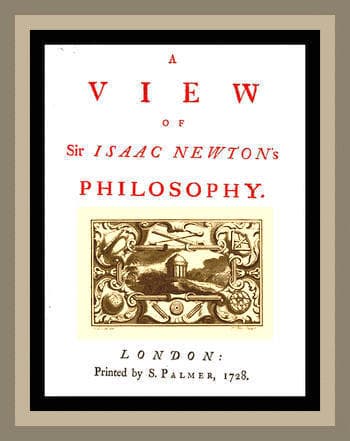
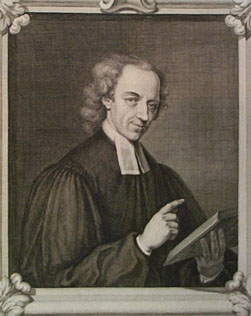
Henry Pemberton was an influential English physician and man of letters, known for his contributions to both medicine and literature in the 18th century. He served as the Gresham Professor of Physic, a prestigious position that underscored his expertise in the field of medicine. Pemberton's scholarly work included editing the third edition of Isaac Newton's 'Principia Mathematica,' which played a crucial role in disseminating Newtonian physics and solidifying its impact on the scientific community. His editorial efforts not only enhanced the clarity of Newton's groundbreaking ideas but also helped to bridge the gap between science and the broader intellectual discourse of his time. In addition to his medical career, Pemberton was a prolific writer, engaging with various subjects that spanned science, philosophy, and literature. His works contributed to the Enlightenment's emphasis on reason and empirical evidence, reflecting the era's intellectual fervor. Pemberton's legacy lies in his dual role as a physician and a literary figure, illustrating the interconnectedness of science and the humanities during a transformative period in history. His influence extended beyond his lifetime, as his editorial work and writings continued to inspire future generations of scholars and thinkers.
Books from the author



Link to this page
Add a free, dofollow link to Lex on your blog, forum, syllabus, or reading list.

<a href="https://lex-books.com/author/henry-pemberton"><img src="https://lex-books.com/badges/read-on-lex.svg" alt="Henry Pemberton on Lex" width="160" height="40"></a>[](https://lex-books.com/author/henry-pemberton)[url=https://lex-books.com/author/henry-pemberton][img]https://lex-books.com/badges/read-on-lex.svg[/img][/url]Henry Pemberton on Lex: https://lex-books.com/author/henry-pemberton