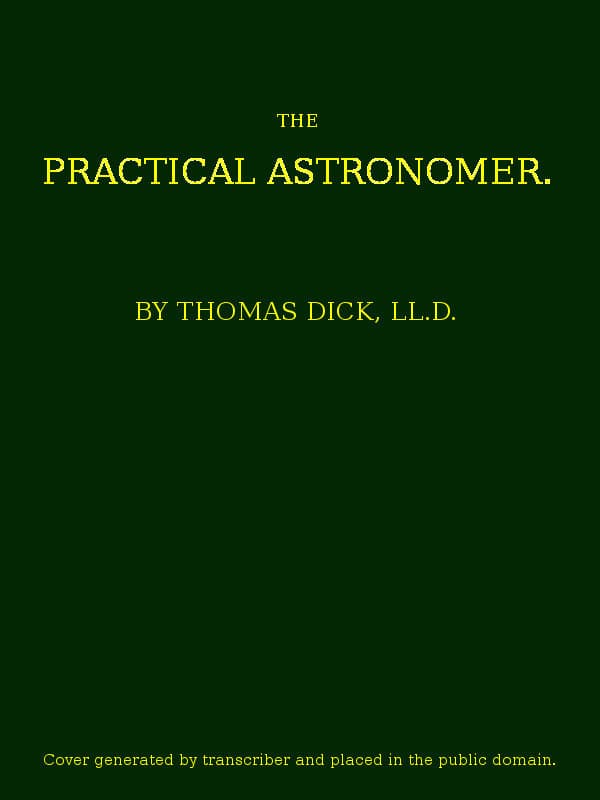
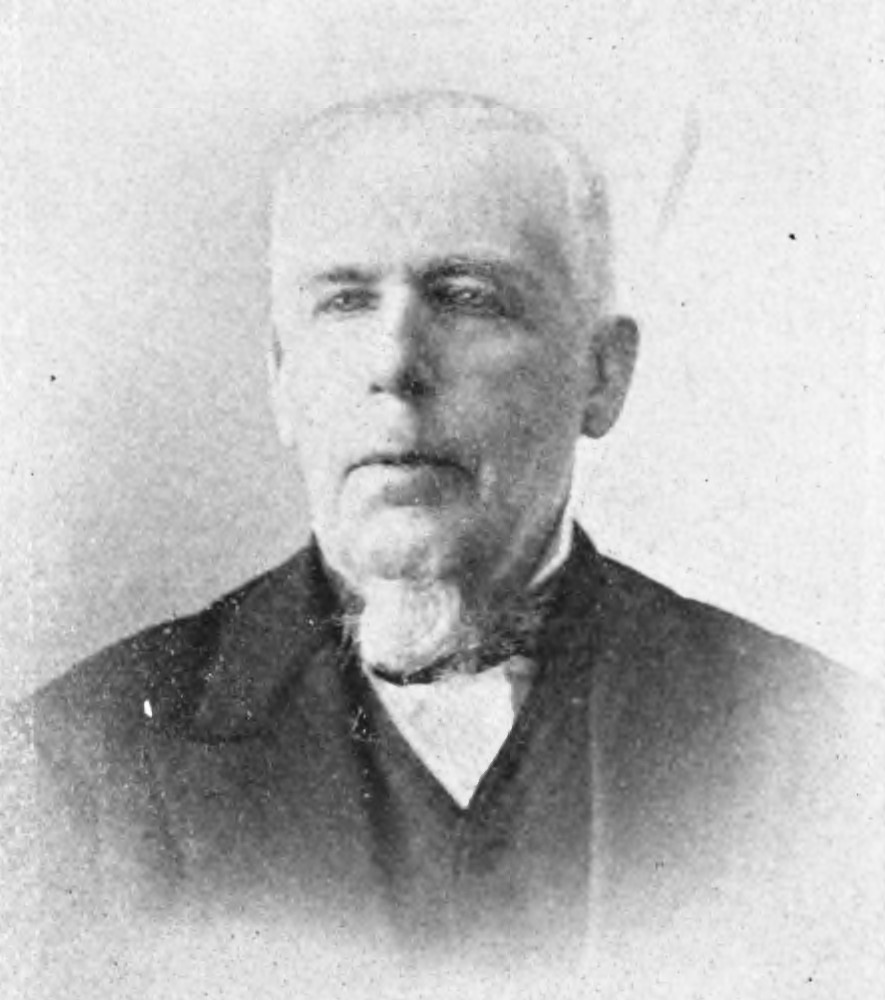
Thomas Dick
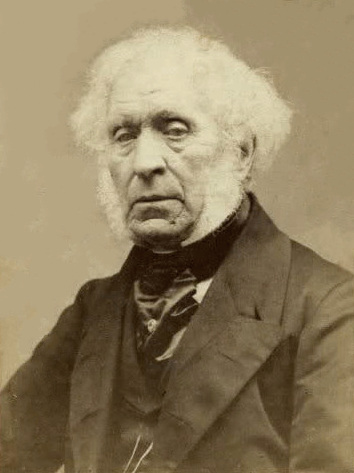
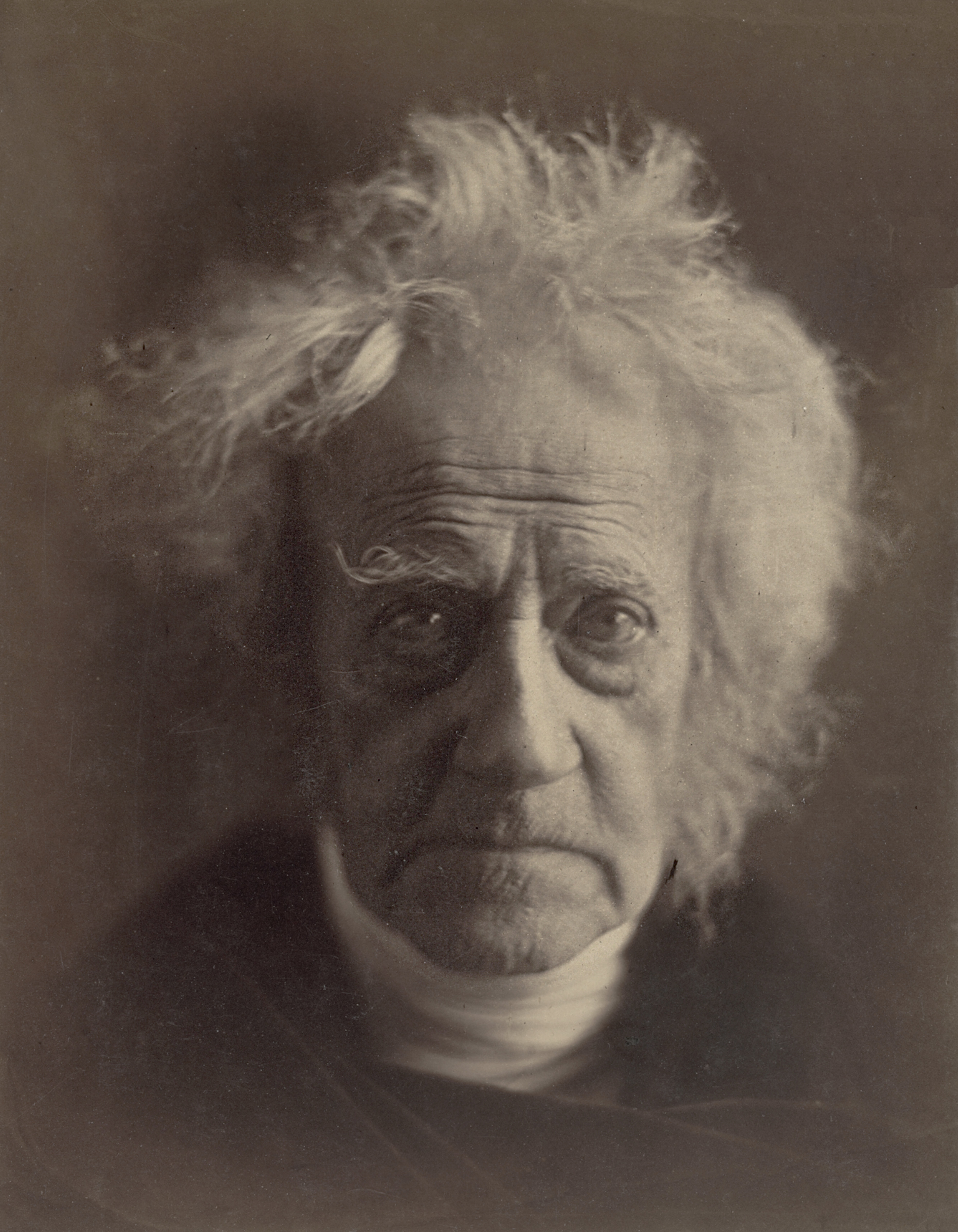
Thomas Dick was a Scottish author and educator known for his influential works on science, philosophy, and religion. Born in 1774 in a humble family, he faced numerous challenges in his early life, including poverty and limited access to formal education. However, his passion for learning led him to become a self-taught scholar, eventually earning a position as a teacher. Dick's most notable works include 'The Philosophy of a Future State' and 'Celestial Scenery,' where he explored the relationship between science and faith, advocating for a harmonious understanding of both. His writings often reflected a deep interest in astronomy and the natural world, which he believed could enhance spiritual understanding and moral development. Dick's legacy lies in his ability to bridge the gap between scientific inquiry and religious belief during a time of significant intellectual upheaval. He was one of the early proponents of popularizing science for the general public, making complex ideas accessible to a wider audience. His works contributed to the discourse on the compatibility of science and religion, influencing future thinkers and writers. Through his efforts, Thomas Dick remains a significant figure in the 19th-century landscape of literature that sought to reconcile faith with the emerging scientific worldview.
Famous Quotes
View all 15 quotes“Why is it that we honor the Great Thieves of Whitehall, for Acts that in Whitechapel would merit hanging? Why admire one sort of Thief, and despise the other? I suggest, 'tis because of the Scale of the Crime.--What we of the Mobility love to watch, is any of the Great Motrices, Greed, Lust, Revenge, taken out of all measure, brought quite past the scale of the ev'ryday world, approaching what we always knew were the true Dimensions of Desire. Let Antony lose the world for Cleopatra, to be sure,--not Dick his Day's Wages, at the Tavern.””
“Half an hour afterwards Dick emerged from the inn, and if Fancy's lips had been real cherries, probably Dick's would have appeared deeply stained.””
“If Fancy's lips had been real cherries probably Dick's would have appeared deeply stained.””
Books from the author



Link to this page
Add a free, dofollow link to Lex on your blog, forum, syllabus, or reading list.

<a href="https://lex-books.com/author/thomas-dick"><img src="https://lex-books.com/badges/read-on-lex.svg" alt="Thomas Dick on Lex" width="160" height="40"></a>[](https://lex-books.com/author/thomas-dick)[url=https://lex-books.com/author/thomas-dick][img]https://lex-books.com/badges/read-on-lex.svg[/img][/url]Thomas Dick on Lex: https://lex-books.com/author/thomas-dick