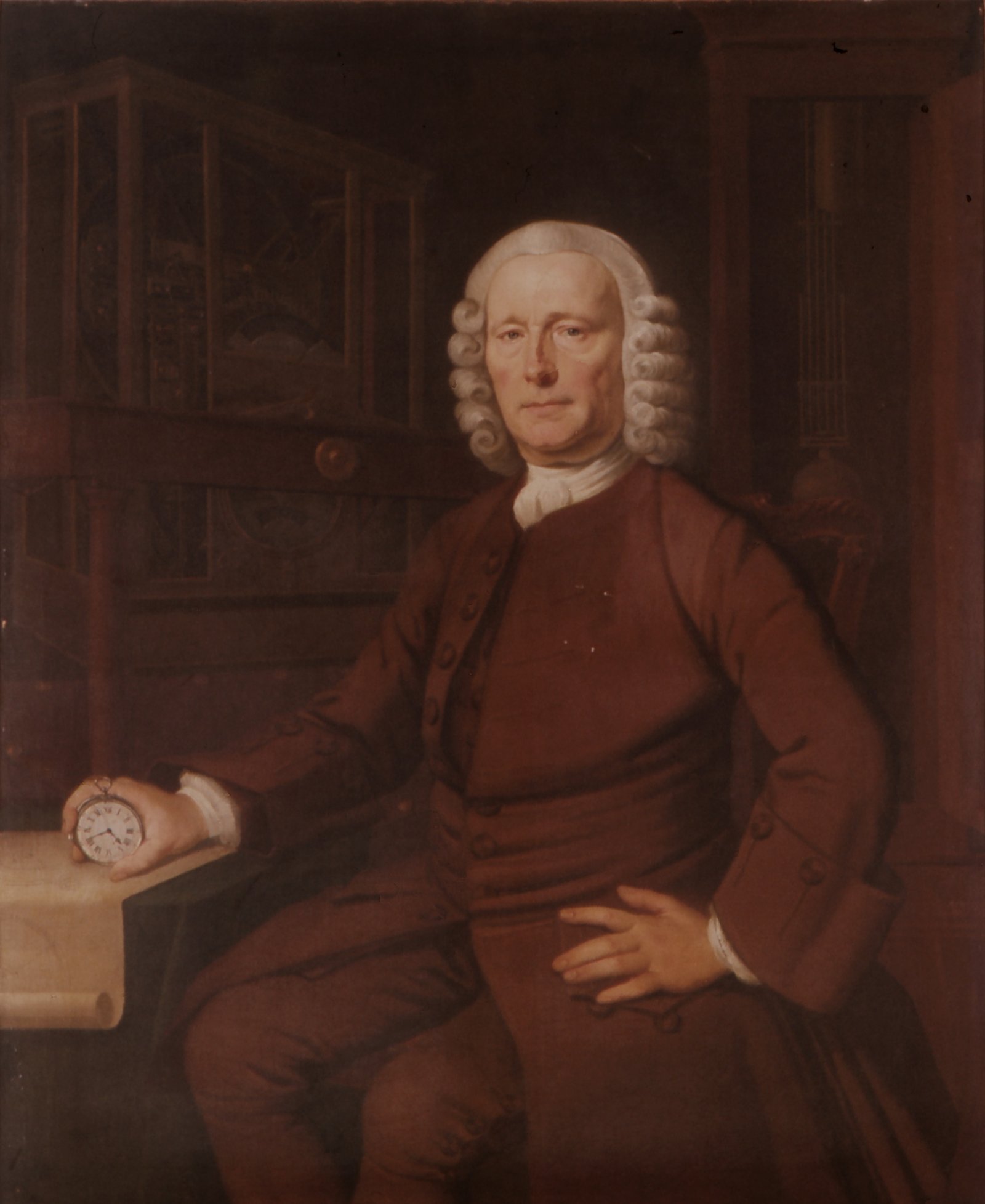
John Harrison
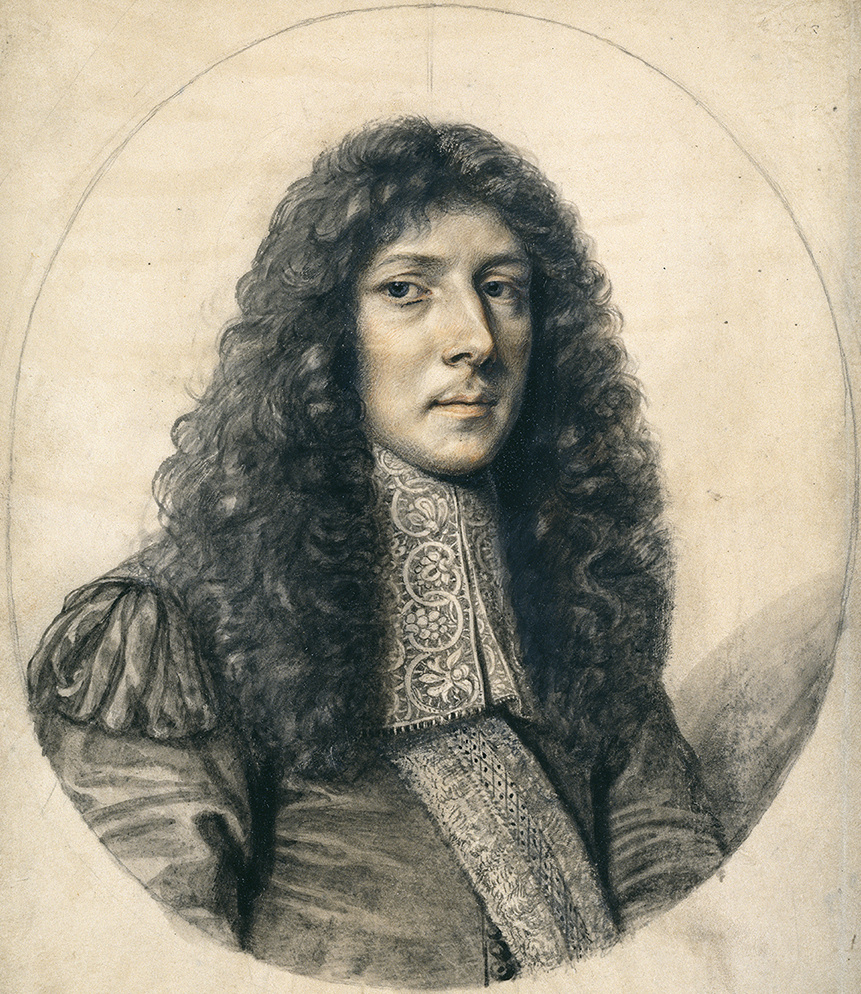
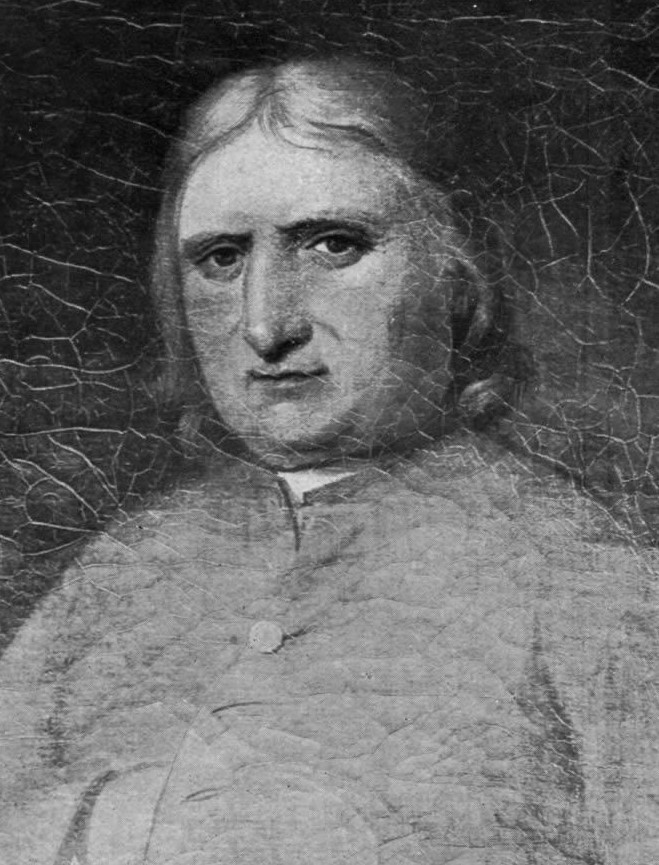
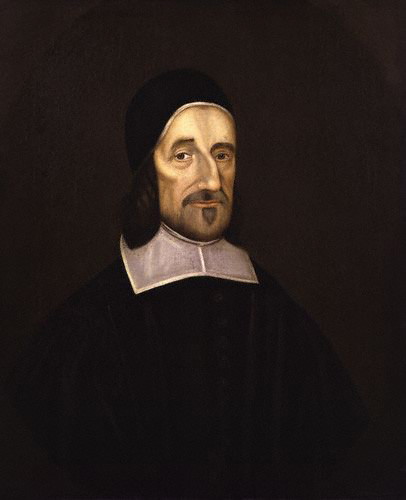
John Harrison was an English carpenter and clockmaker whose groundbreaking invention of the marine chronometer transformed navigation at sea. Faced with the longstanding challenge of calculating longitude, a problem that had dire consequences for maritime safety, Harrison dedicated his life to developing a reliable timekeeping device. His first design, presented in 1730, marked the beginning of a series of innovations that would culminate in the creation of sea watches, which significantly improved the accuracy of navigation. Despite the importance of his work, Harrison encountered political rivalries that hindered him from receiving the full financial rewards promised by the British Parliament under the Longitude Act of 1714, which aimed to solve the longitude problem following the Scilly naval disaster of 1707. Over the years, Harrison's designs garnered support from the Longitude Board, leading to further advancements in timekeeping technology. His relentless pursuit of precision and reliability ultimately earned him recognition and a reward from Parliament later in life. Harrison's contributions not only revolutionized maritime navigation but also laid the groundwork for future developments in horology. His legacy endures as a testament to ingenuity and perseverance in the face of adversity, marking him as a pivotal figure in the history of navigation and timekeeping.
Famous Quotes
View all 3 quotes“Identity is not negotiable. An identity you have achieved by agreement is always a prison.”
“Budapest is a prime site for dreams: the East’s exuberant vision of the West, the West’s uneasy hallucination of the East. It is a dreamed-up city; a city almost completely faked; a city invented out of other cities, out of Paris by way of Vienna — the imitation, as Claudio Magris has it, of an imitation.”
“Happiness and beauty are the worst things you can have in a life, because you never forget them. They go on and on ambushing you, presumably until you die.”
Books from the author





Link to this page
Add a free, dofollow link to Lex on your blog, forum, syllabus, or reading list.

<a href="https://lex-books.com/author/john-harrison"><img src="https://lex-books.com/badges/read-on-lex.svg" alt="John Harrison on Lex" width="160" height="40"></a>[](https://lex-books.com/author/john-harrison)[url=https://lex-books.com/author/john-harrison][img]https://lex-books.com/badges/read-on-lex.svg[/img][/url]John Harrison on Lex: https://lex-books.com/author/john-harrison