H. V. Morton
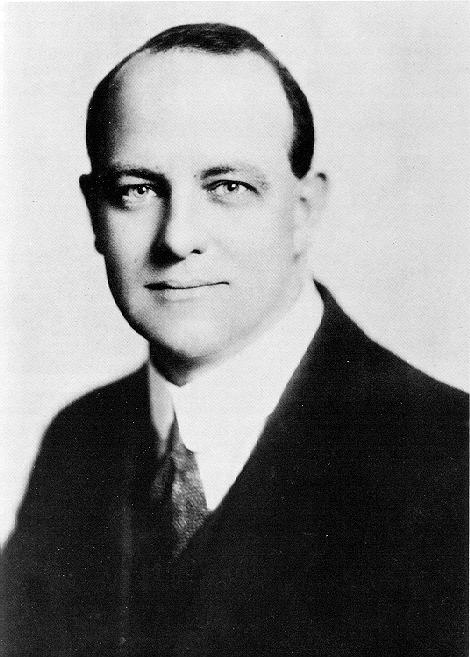
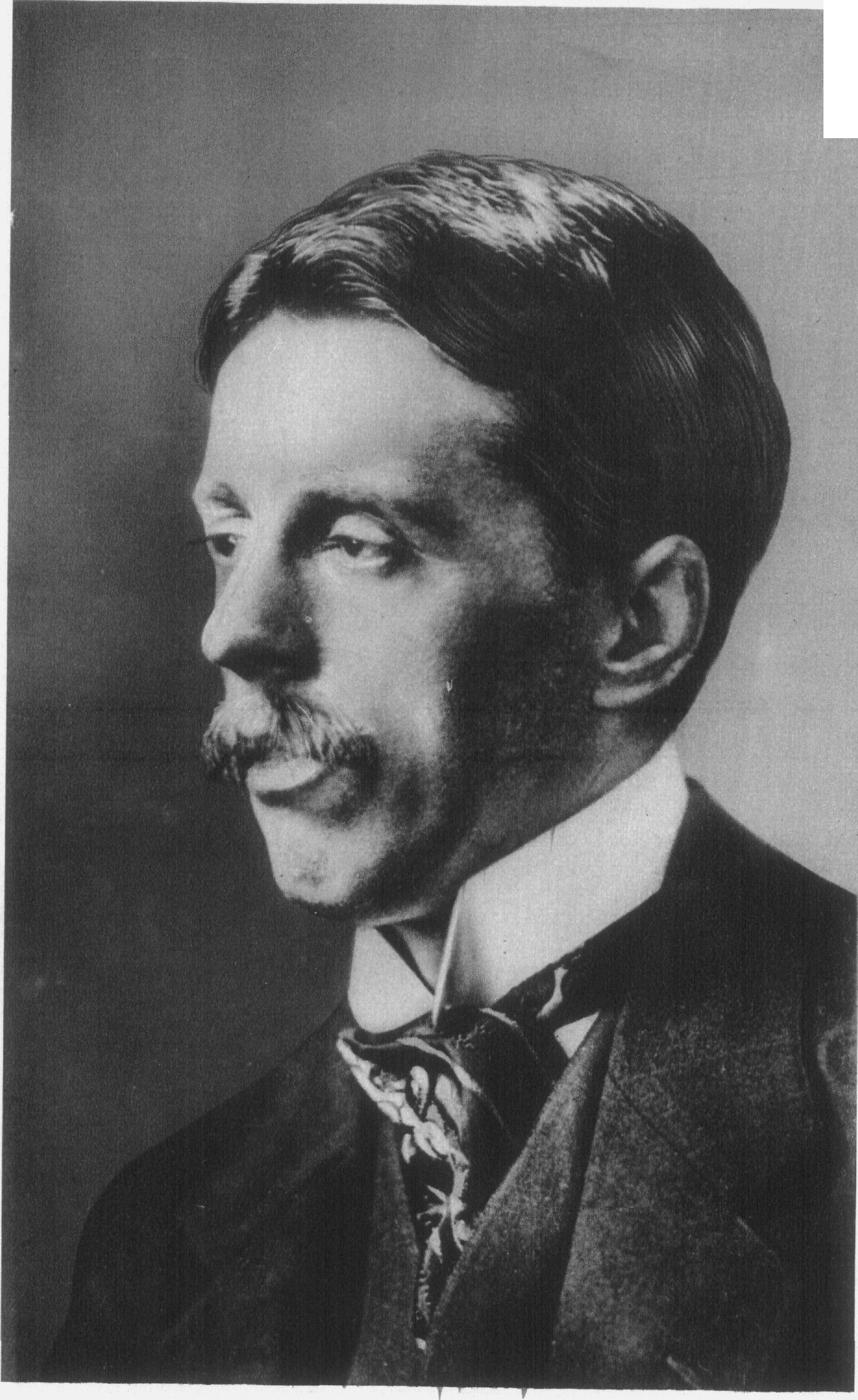
H. V. Morton was a British journalist and travel writer known for his vivid and engaging prose that captured the essence of his journeys. Born in 1892, he began his career as a journalist, contributing to various newspapers and magazines, which honed his skills in observation and storytelling. Morton's travels took him across Europe, the Middle East, and America, and he became particularly renowned for his ability to convey the sights, sounds, and cultures of the places he visited. His works, such as 'In Search of England' and 'A Traveller in Italy,' reflect a deep appreciation for the landscapes and histories of the regions he explored, blending personal anecdotes with historical context. Morton's literary significance lies in his role as a pioneer of travel writing in the 20th century. His books not only entertained readers but also inspired a new generation of travelers to explore the world with curiosity and a sense of adventure. His style, characterized by a conversational tone and rich descriptions, made his works accessible and appealing to a broad audience. H. V. Morton left a lasting legacy in the realm of travel literature, influencing both contemporaries and future writers who sought to capture the spirit of their journeys through words.
Famous Quotes
View all 10 quotes“I gave way to a wave of home-sickness that almost shames me now when I recollect it. I find it impossible in cold blood, and at this distance, to put into words the longing that shook me. I have forgotten the pain in the neck, but never will I forget the pain in my heart.””
“Women are marvellous at plodding throughthe centuries. They are exact, accurate and tireless. If you ever wish to discover some minute fact, buried away at the bottom of a bin of forgotten parchments, find a girl with horn-rimmed spectacles and straight hair and ask her to do it for you.””
“What an amazing thing is the coming of spring to London. The very pavements seem ready to crack and lift under the denied earth; in the air is a consciousness of life which tells you that if traffic stopped for a fortnight grass would grow again in Piccadilly and corn would spring in pavement cracks where a horse had spilt his 'feed'. And the squares of London, so dingy and black since the first October gale, fill week by week with the rising tide of life, just as the sea, running up the creeks and pushing itself forward inch by inch towards the land, comes at last to each remote rock pool.””
Books from the author


Link to this page
Add a free, dofollow link to Lex on your blog, forum, syllabus, or reading list.

<a href="https://lex-books.com/author/h-v-morton"><img src="https://lex-books.com/badges/read-on-lex.svg" alt="H. V. Morton on Lex" width="160" height="40"></a>[](https://lex-books.com/author/h-v-morton)[url=https://lex-books.com/author/h-v-morton][img]https://lex-books.com/badges/read-on-lex.svg[/img][/url]H. V. Morton on Lex: https://lex-books.com/author/h-v-morton