
Giovanni Verga
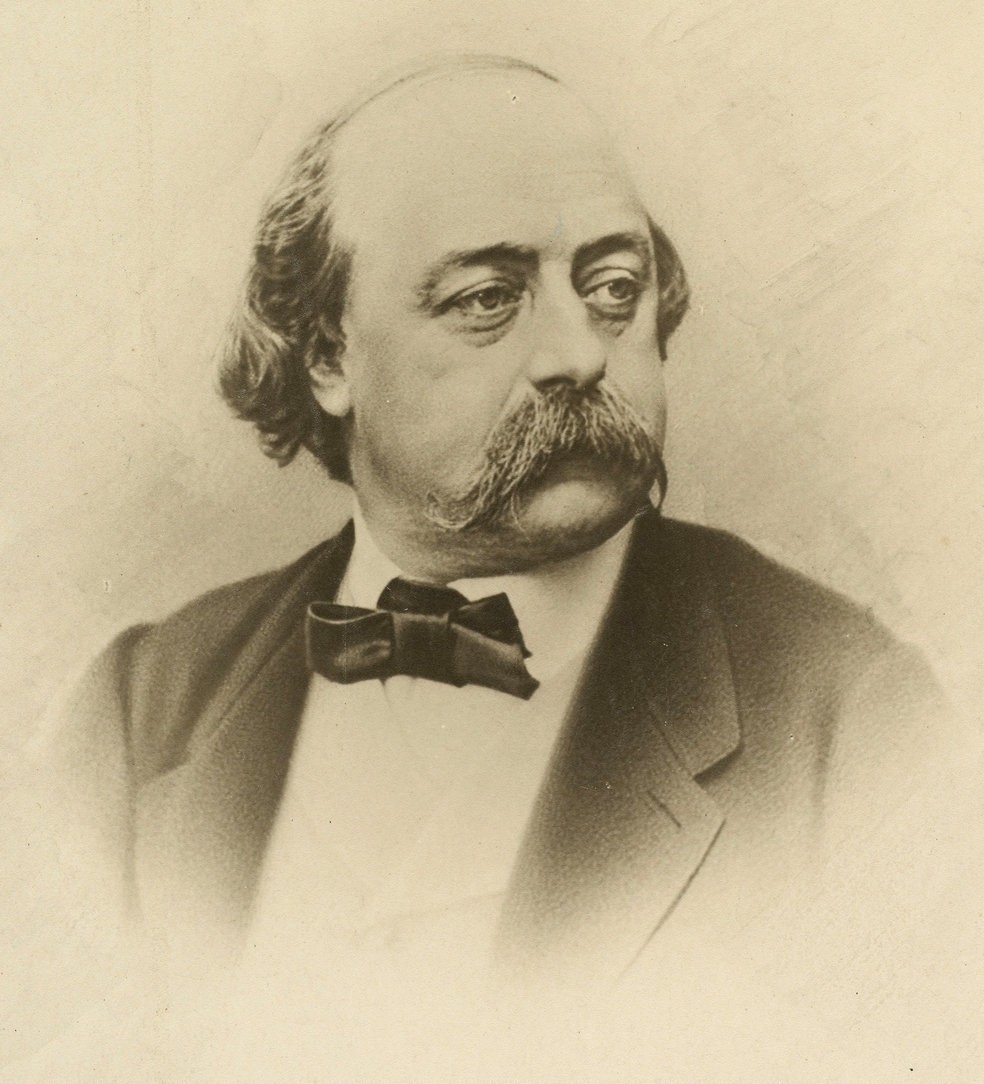
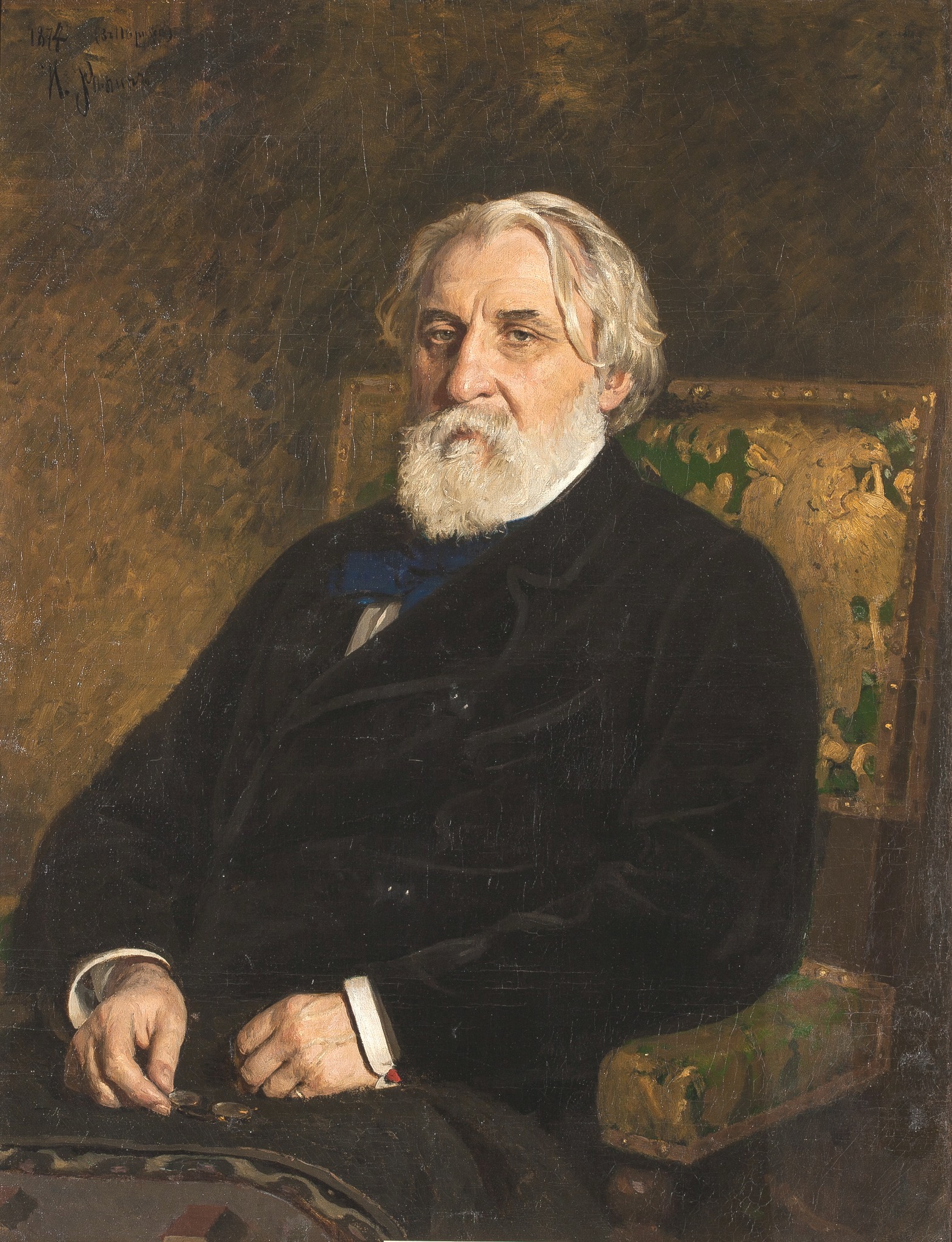
Giovanni Verga was an influential Italian realist writer known for his vivid depictions of Sicilian life and culture. Born in Catania, Sicily, he became a prominent figure in the verismo literary movement, which sought to portray everyday life with stark realism. His most celebrated works, including 'I Malavoglia' (1881) and 'Mastro-don Gesualdo' (1889), delve into the struggles of the Sicilian peasantry and the complexities of social class. Through his characters and narratives, Verga explored themes of fate, tradition, and the harsh realities of rural existence, earning him recognition as one of Italy's greatest novelists after Alessandro Manzoni. Verga's writing style was marked by a focus on local dialects and a commitment to authenticity, setting him apart from his contemporaries. His influence extended beyond Italian literature; notable writers such as D. H. Lawrence translated his works, introducing Verga's poignant storytelling to English-speaking audiences. His legacy endures in the realm of realism, as he paved the way for future authors to explore the intricacies of human experience through a lens of unflinching honesty.
Famous Quotes
View all 3 quotes“Il mare non ha paese nemmeno lui, ed è di tutti quelli che lo stanno ad ascoltare, di qua e di là dove nasce e muore il sole”
“Nei piccoli paesi c’è della gente che farebbe delle miglia per venire a portarvi la cattiva nuova.”
“Insomma una brutta domenica di settembre, di quel settembre traditore che vi lascia andare un colpo di mare fra capo e collo, come una schioppettata fra i fichidindia.”
Books from the author
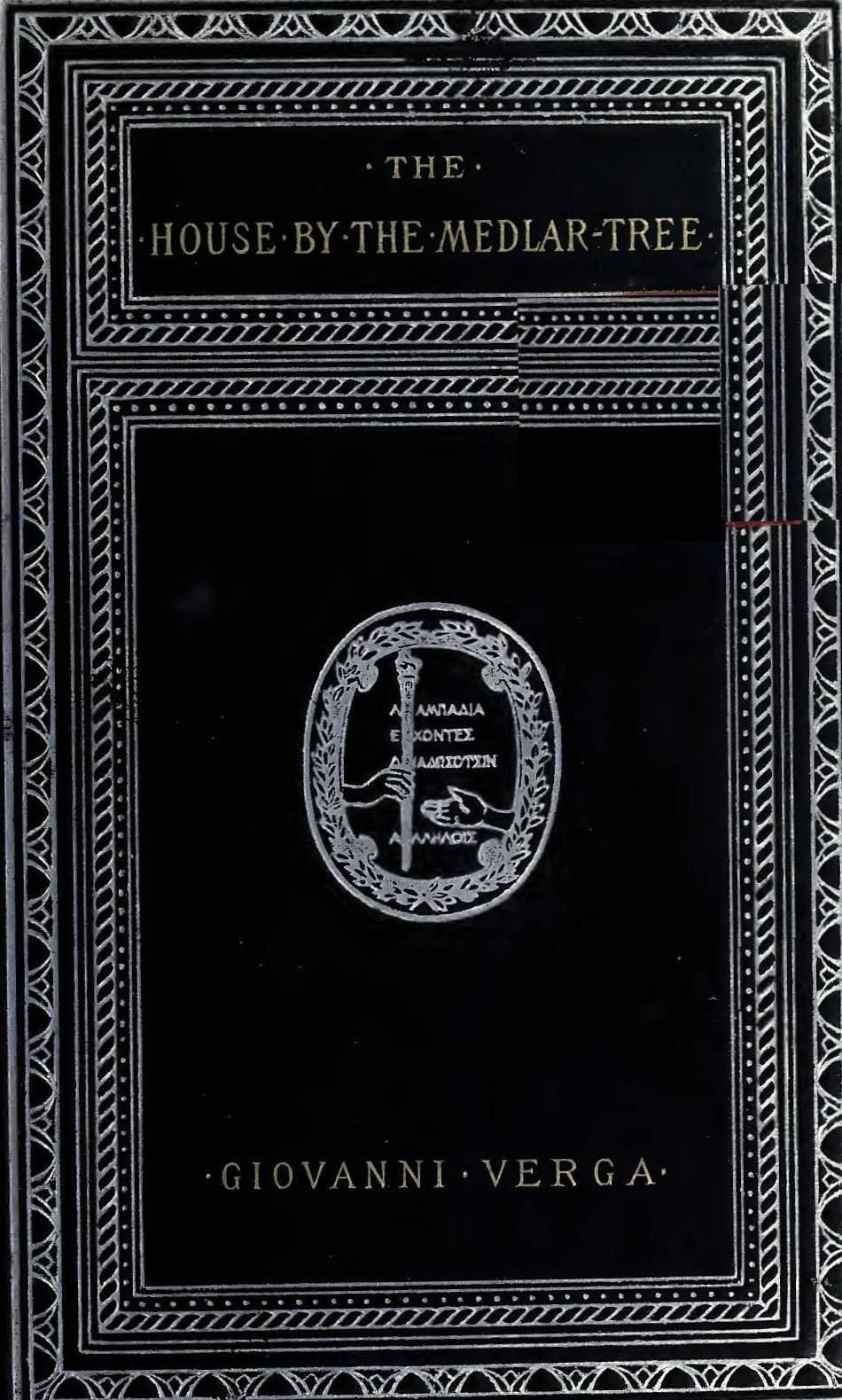






Link to this page
Add a free, dofollow link to Lex on your blog, forum, syllabus, or reading list.

<a href="https://lex-books.com/author/giovanni-verga"><img src="https://lex-books.com/badges/read-on-lex.svg" alt="Giovanni Verga on Lex" width="160" height="40"></a>[](https://lex-books.com/author/giovanni-verga)[url=https://lex-books.com/author/giovanni-verga][img]https://lex-books.com/badges/read-on-lex.svg[/img][/url]Giovanni Verga on Lex: https://lex-books.com/author/giovanni-verga